
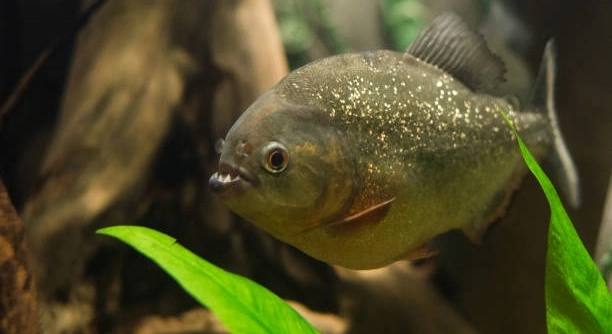
A piranha escaping its tank can be a sudden and stressful event for any owner. These fish require specific care and environment, making it important to act quickly and carefully if one gets loose. Knowing the proper steps can help ensure safety for both the fish and people around.
If your piranha escapes, the first priority is to safely recapture it using appropriate tools like a net or container. Avoid direct contact to prevent injury, and check the tank’s condition to prevent future escapes. Immediate action reduces harm and stress for the fish.
Taking quick and careful measures after an escape can protect your piranha and maintain the safety of your home environment. Proper handling is essential to prevent injury and secure your aquatic pet.
How to Safely Recapture Your Piranha
When a piranha escapes, the main concern is safely getting it back into the tank. Use a fish net or a container to avoid direct contact. Piranhas have sharp teeth, so handling them with bare hands can be dangerous. Move slowly and calmly to avoid stressing the fish further. If possible, dim the room lights to help keep the fish calm during capture. Once caught, place the piranha gently back into the water to prevent injury. After recapturing, inspect the tank for any damage or openings that allowed the escape. Fix any gaps or loose lids immediately to avoid a repeat event. Maintaining a secure tank is essential for the fish’s safety and your peace of mind.
Keep a designated net or container near the tank for quick access in emergencies.
Checking and reinforcing the tank’s security after an escape prevents further problems and ensures your piranha stays safe.
Preventing Future Escapes
Regularly inspect your tank’s lid and sides to ensure they are secure. Even small gaps can be enough for a piranha to slip through. Consider adding clips or locks if the lid doesn’t fit tightly. Maintain proper water levels to reduce jumping risk, as lower water may encourage the fish to leap out. Observe your piranha’s behavior; restlessness or frequent jumping might indicate stress or poor water quality, which can increase escape attempts. Keeping the tank environment stable with clean water and proper temperature reduces the chance of escape. Ensuring these factors helps maintain your piranha’s well-being and limits stressful incidents for both you and the fish. Being proactive is key to preventing future escapes and protecting your aquatic pet.
Handling Your Piranha After Recapture
Once your piranha is safely back in the tank, avoid sudden movements that could stress it further. Monitor the fish for signs of injury or distress. It may hide more than usual or refuse to eat. Give it time to recover in a calm environment.
Check water quality immediately after the escape. Ammonia or other harmful levels may have changed during the event. Perform a partial water change if necessary, ensuring the temperature and pH remain stable. Keeping the tank clean and balanced supports your piranha’s health after stress.
Avoid feeding your piranha right away. Wait a few hours to allow it to calm down. Overfeeding or sudden changes in diet can worsen its condition. Gradually resume regular feeding once the fish appears stable.
Preventing Escapes Through Tank Setup
A tight-fitting lid is essential to keep your piranha secure. Use lids with locking clips or magnets to prevent gaps. Avoid lids that are too loose or allow easy openings.
Position the tank away from busy areas to reduce vibrations or sudden disturbances. Piranhas can become restless if exposed to constant movement nearby. Ensure the tank’s water level is appropriate—not too low—to discourage jumping. Maintaining a stable, secure environment minimizes escape risks and keeps your fish safe.
Common Causes of Piranha Escapes
Piranhas often escape due to unsecured lids or tank damage. Even small gaps provide an exit. Jumping behavior is another factor, usually linked to stress or poor water conditions.
Stress triggers include sudden noise, water quality changes, or overcrowding. Addressing these helps reduce escape attempts and keeps your piranha calmer.
What to Do If You Can’t Find Your Piranha
Start by checking nearby areas like under furniture or behind cabinets. Piranhas may hide in damp or dark places. Use a flashlight and be cautious of sharp teeth.
Signs Your Piranha Is Stressed
A stressed piranha might swim erratically or stay hidden for long periods. Loss of appetite and faded color are also common signs. Early recognition allows timely care to improve its health.
When to Seek Professional Help
If your piranha shows signs of injury or illness after escape, consult an aquatic veterinarian promptly. Professional advice ensures proper treatment and recovery.
FAQ
How can I prevent my piranha from escaping in the future?
Preventing escapes starts with securing the tank properly. Use a tight-fitting lid with clips or locks to close any gaps. Check the tank regularly for cracks or loose parts. Maintain stable water levels and keep the environment calm to reduce jumping or restless behavior. Proper tank setup is the most effective way to keep your piranha safely inside.
What should I do immediately after finding my piranha outside the tank?
Handle the situation calmly and use a net or container to recapture the fish without touching it. Avoid sudden movements to reduce stress on the fish. Once caught, place the piranha gently back into the tank. Check the tank for damages that allowed the escape and fix them quickly to prevent another incident.
Is it safe to handle a piranha directly?
Handling a piranha with bare hands is risky due to its sharp teeth. Use nets or containers for capturing and transferring. If direct handling is necessary, wear protective gloves and be extremely cautious. Minimizing contact reduces stress for the fish and prevents injury to yourself.
What signs indicate my piranha is stressed after escaping?
After escape, stress signs include hiding, loss of appetite, erratic swimming, or faded coloration. The fish might appear lethargic or avoid interaction. These signs suggest it needs a calm environment and proper water conditions to recover. Monitor behavior closely for at least a few days after recapture.
How should I care for my piranha’s tank after an escape?
Test the water immediately for ammonia, nitrites, nitrates, and pH levels. Perform a partial water change if values are outside the normal range. Keep water temperature stable and avoid sudden changes. Clean the tank but avoid disturbing the fish too much. Proper maintenance supports recovery and long-term health.
Can a piranha survive outside water for long?
Piranhas cannot survive outside water for more than a few minutes. They rely on water for oxygen and temperature regulation. Quick action is essential if your fish escapes. The longer it stays out of water, the greater the risk of serious harm or death.
What causes piranhas to jump out of their tanks?
Jumping can result from stress, overcrowding, poor water quality, or sudden disturbances. Low water levels may also encourage this behavior. Addressing these factors helps reduce the chance of escapes and keeps your piranha healthier and calmer.
Should I feed my piranha immediately after recapturing it?
It’s best to wait several hours before feeding after recapture. Stress can reduce appetite, and immediate feeding may cause digestive issues. Observe your fish for signs of readiness, like normal swimming and alertness, before returning to regular feeding.
How often should I check the tank’s security?
Regular checks every week are advisable. Look for loose lids, gaps, or damaged areas. Routine maintenance prevents unexpected escapes and keeps the environment safe for your piranha.
When is it necessary to call a vet?
If your piranha shows signs of injury, persistent stress, or illness after escape, professional help is important. An aquatic veterinarian can diagnose problems and recommend treatment to improve recovery chances.
Can stress from escaping affect my piranha’s long-term health?
Yes. Stress can weaken the immune system and lead to infections or disease. Reducing stress and providing proper care after an escape is crucial to protect your piranha’s long-term health and well-being.
What equipment is best for recapturing an escaped piranha?
A sturdy fish net or a rigid container works best. Avoid using makeshift tools that could harm the fish. Keeping these items nearby your tank ensures quick and safe recapture when needed.
How do I calm a piranha after an escape?
Dim the lights and reduce noise around the tank. Avoid sudden movements and handle the fish gently. Maintaining stable water conditions and providing hiding spots helps the fish feel secure while it recovers from stress.
Final Thoughts
Escaping from its tank is a serious situation for a piranha and its owner. The safety of the fish and the people around it should always come first. Using proper equipment and handling the fish carefully during recapture can prevent injuries and reduce stress on the piranha. After the fish is safely back in its tank, it is important to monitor its behavior and health. Watching for signs of stress or injury helps catch problems early. Making sure the tank environment is stable supports recovery and keeps the fish healthy in the long term.
Preventing future escapes depends largely on securing the tank well. A tight-fitting lid with locks or clips is essential to stop the fish from getting out. Checking the tank regularly for damage or loose parts can prevent unexpected problems. Keeping the water level appropriate and maintaining good water quality also lowers the chance of jumping or escape attempts. Additionally, minimizing disturbances near the tank and avoiding sudden changes in lighting or temperature help keep the piranha calm and less likely to try escaping.
Proper care and maintenance create a safe space for the piranha to live and thrive. Understanding its behavior and the causes behind escape attempts helps owners act quickly and wisely. When an escape does happen, handling the situation calmly and safely is key to protecting both the fish and the owner. Keeping the tank secure and maintaining good water conditions will reduce future risks. Paying attention to these details ensures the well-being of your piranha and peace of mind for you as its caretaker.

Hello,
If you enjoy the content that we create, please consider saying a "Thank You!" by leaving a tip.
Every little bit helps us continue crafting quality advice that supports the health, happiness, and well-being of pets around the world, for pets of all shapes, sizes, and species.
We really appreciate the kindness and support that you show us!