
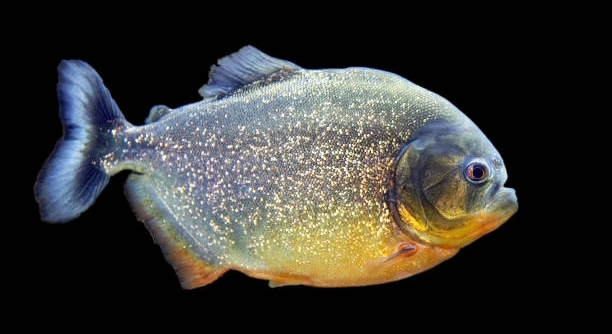
Do you keep piranhas in an aquarium and wonder if they notice when you change their tank? Many fish owners want to understand how piranhas react to new environments or tank setups. This knowledge can help ensure their pets stay comfortable and healthy.
Piranhas do recognize changes in their tank environment. They respond to new objects, altered layouts, and shifts in water conditions, which can influence their behavior and stress levels. Understanding these responses is important for proper care and management.
Knowing how piranhas react to tank changes can improve your care routine and create a more stable home for your fish. The following information will help you make better decisions for your aquatic pets.
How Piranhas React to Tank Changes
When you change a piranha’s tank, they quickly notice. Piranhas are sensitive to their surroundings. They can sense new decorations, different plants, or even slight changes in water temperature and quality. These changes can make them curious or stressed. Some piranhas may become more aggressive or hide more often when something is new. It’s important to keep changes gradual to help them adjust smoothly. If the tank is rearranged too quickly or drastically, piranhas might feel threatened. This can cause erratic swimming or refusal to eat. Watching their behavior during and after changes helps you understand if they are comfortable. Maintaining stable water conditions is also key. Regular water testing and slow introduction of new elements help keep piranhas calm. When piranhas feel safe, they show their natural, lively behavior and health remains strong.
Piranhas prefer familiar environments and react best when changes happen slowly.
Changing a tank’s setup requires patience. Introduce new items one at a time and keep water parameters steady. This lowers stress and helps piranhas adapt without negative reactions. Observe your fish carefully to catch signs of discomfort early. Maintaining a balanced environment supports their wellbeing.
Signs Your Piranhas Notice Changes
Piranhas often show clear signs when their tank environment changes. They might swim faster, become more aggressive, or hide more. These behaviors show they are aware of the new surroundings and may feel unsettled.
When piranhas react, it’s a signal to review tank conditions and adjustment speed. Fish that dart around nervously or stop eating need extra care. Sometimes, changes in water chemistry, like pH or temperature shifts, cause stress. Even new tank mates or added decorations can disrupt their routine. Providing plenty of hiding spots helps piranhas feel secure during changes. Patience and gentle handling allow them to grow comfortable again. Remember, a stable and calm environment is essential for healthy piranhas. Recognizing these signs early helps prevent long-term stress and health problems. Keeping the tank consistent benefits both your fish and your experience as a caretaker.
How to Minimize Stress When Changing a Piranha Tank
Keeping changes slow helps reduce stress. Sudden moves or new items can upset piranhas.
Start by changing one thing at a time, such as adding a decoration or adjusting water temperature gradually. Avoid rearranging the whole tank at once. Keep water conditions stable and test parameters often. Offering hiding places lets piranhas feel safe while they get used to changes. Feeding them well during transitions also supports their health and reduces anxiety.
If you notice signs of stress, pause changes and give the fish time to settle. This patient approach helps maintain a calm environment and promotes healthier piranhas over time.
Why Water Quality Matters During Tank Changes
Water quality is crucial when changing a piranha tank. Poor water conditions cause stress, making fish vulnerable to illness.
When introducing new water, match temperature, pH, and hardness to the old tank’s levels as closely as possible. Sudden shifts in these factors can shock piranhas, leading to weakened immune systems or aggressive behavior. Use a reliable water testing kit to monitor changes. Regular water changes with gradual adjustments keep the environment stable. Also, avoid adding chemicals or treatments abruptly. Consistent water quality supports piranhas’ natural behavior and health, especially during times of change. Proper care ensures your fish remain active and less prone to stress-related issues.
Tank Decorations and Their Impact
Changing decorations can catch piranhas’ attention quickly. New plants or hiding spots may cause curiosity or stress.
It’s best to introduce decorations slowly. Avoid sudden, drastic rearrangements. Consistency helps piranhas feel secure in their space.
Feeding Habits During Tank Changes
Piranhas may eat less or refuse food when their environment shifts. Stress from changes often affects appetite.
To help, offer favorite foods and feed smaller amounts more often. Keeping feeding routines steady supports their health and eases adjustment.
Observing Behavior for Signs of Stress
Watch for changes like hiding, aggression, or erratic swimming. These can indicate stress from tank changes.
Early detection lets you respond quickly, improving your piranhas’ comfort and wellbeing.
FAQ
Do piranhas get stressed from moving to a new tank?
Yes, piranhas often experience stress when moved to a new tank. They are territorial fish and rely heavily on their environment for security. Sudden changes in surroundings can cause anxiety, which might lead to hiding, aggression, or refusal to eat. Gradual introductions and maintaining familiar water conditions help reduce this stress.
How long does it take for piranhas to adjust to a tank change?
Adjustment time varies, but most piranhas begin settling within a week if changes are gentle. Some may take longer, especially if water parameters differ or the tank layout is very different. Patience is key. Monitoring behavior daily helps you know when they are comfortable again.
Can piranhas recognize their owner or routine?
Piranhas can recognize patterns and may become familiar with their caretaker’s presence during feeding times. While they don’t bond like some pets, they do respond to routine, which provides comfort and reduces stress. Maintaining consistent feeding schedules supports this recognition.
What are the signs that my piranhas are unhappy with their tank?
Signs include constant hiding, reduced appetite, erratic swimming, increased aggression, or lethargy. These behaviors suggest stress or discomfort. It’s important to check water quality, tank layout, and recent changes to identify and fix the problem.
Should I rearrange my piranha tank often?
It’s best to avoid frequent rearrangements. Piranhas thrive in stable environments and can become stressed by constant changes. When changes are necessary, introduce them slowly to help your fish adjust without stress.
How do I safely introduce new decorations or plants?
Clean new decorations thoroughly to avoid contaminants. Add one item at a time and watch your piranhas’ behavior for any signs of stress. Using natural or fish-safe materials is important to prevent water quality problems.
Can poor water quality worsen stress after tank changes?
Absolutely. Poor water quality intensifies stress and can lead to health issues. Keeping water parameters stable during and after tank changes is critical. Regular testing and partial water changes help maintain a healthy environment for your piranhas.
What do I do if my piranhas stop eating after a tank change?
Loss of appetite is common after changes. Offer small portions of favorite foods and maintain feeding routines. If the behavior continues for more than a few days, check water quality and tank conditions. Consult a vet or expert if needed.
Is it normal for piranhas to hide more after tank changes?
Yes, increased hiding is a normal response to new or unfamiliar surroundings. Providing adequate hiding spots and minimizing sudden disturbances encourages them to feel safe and return to normal activity over time.
How important is water temperature during tank changes?
Water temperature is very important. Sudden temperature shifts can shock piranhas and cause stress or illness. When changing tanks or adding water, match the temperature closely to avoid harm. Use a thermometer to monitor levels carefully.
Changing a piranha tank can be a delicate process that requires attention and care. Piranhas are sensitive fish that notice changes in their environment quickly. Whether it is a new decoration, a different layout, or changes in water quality, these shifts can affect how they behave and feel. Keeping things stable and making adjustments slowly helps them stay calm. Rushing changes or making sudden moves can cause stress, which might lead to hiding, aggression, or loss of appetite. By paying close attention to your piranhas during tank changes, you can better understand their needs and help them adjust smoothly.
Water quality plays a very important role when changing a tank for piranhas. Even small changes in temperature, pH, or hardness can make a big difference in how comfortable your fish feel. It is best to keep these conditions as close to the original as possible to avoid shocking your piranhas. Using a water testing kit regularly and performing slow, gradual water changes supports a healthy tank environment. Clean water helps piranhas stay active and reduces the chance of illness. When you combine stable water conditions with gentle introductions of new tank features, your fish will have a much easier time adapting.
Finally, observing your piranhas carefully is key to successful tank changes. Watch for signs of stress like hiding, aggression, or not eating. If you notice these behaviors, take a step back and slow down the changes. Offering plenty of hiding places and feeding them regularly helps them feel secure. Remember that patience is important—piranhas need time to get used to their new surroundings. Taking small, thoughtful steps when changing their tank will help keep your fish healthy and happy. This approach benefits both your piranhas and your experience as a caretaker.

Hello,
If you enjoy the content that we create, please consider saying a "Thank You!" by leaving a tip.
Every little bit helps us continue crafting quality advice that supports the health, happiness, and well-being of pets around the world, for pets of all shapes, sizes, and species.
We really appreciate the kindness and support that you show us!