
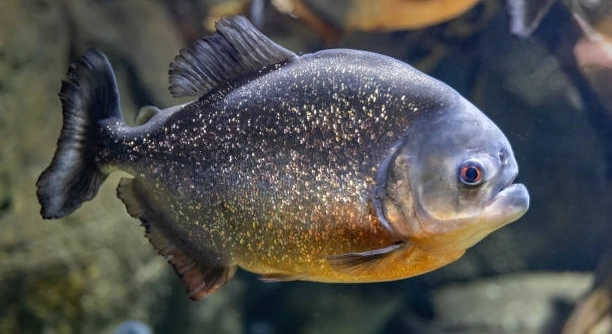
Water temperature stability is crucial for maintaining healthy piranhas in captivity. Sudden changes can stress the fish and affect their well-being. This article provides practical methods to help aquarium owners keep water conditions steady and safe for piranhas.
Maintaining a stable water temperature for piranhas involves using reliable equipment such as heaters and thermostats, monitoring temperature regularly, and controlling environmental factors. These steps ensure the aquatic environment remains within an ideal range, promoting fish health.
Understanding how to control temperature fluctuations benefits both the fish and their owners. The following methods offer clear guidance to create a consistent habitat for piranhas.
Use a Reliable Aquarium Heater
A dependable aquarium heater is essential for keeping water temperature consistent. Choose a heater designed specifically for the size of your piranha tank to ensure even heat distribution. It should have an adjustable thermostat to maintain the ideal temperature range between 75°F and 82°F (24°C to 28°C). Place the heater near the water flow area to help spread the warmth throughout the tank efficiently. Regularly inspect the heater for any damage or malfunction to prevent sudden temperature drops. Having a backup heater on hand can also provide extra security in case the primary one fails. Avoid using heaters without thermostats, as they can cause dangerous overheating. When setting up, allow the heater to acclimate before fully submerging it, following the manufacturer’s instructions. Proper placement and maintenance of the heater will create a stable environment that supports the health and activity of your piranhas.
Routine checks on heater functionality are vital for stable tank conditions and to avoid harmful temperature shifts.
Keeping the heater in good condition prevents temperature spikes and sudden drops. Consistency is key to reducing stress for piranhas, supporting their immune systems, and encouraging natural behavior. A quality heater saves time and worry by maintaining a steady environment, especially during seasonal changes or power outages. Combining the heater with a thermostat and proper placement ensures the water remains stable. This simple step protects your fish from illness related to temperature fluctuations.
Monitor Temperature Regularly
Regular temperature monitoring is crucial for maintaining stable conditions in your piranha tank. Use a reliable aquarium thermometer that provides accurate readings and place it in a visible location. Digital or stick-on thermometers can help you check the water temperature without opening the tank frequently. Monitoring allows you to detect small changes early before they affect your fish. Keep a temperature log to track fluctuations, especially during seasonal weather shifts. Consistency in monitoring helps adjust equipment settings promptly. Maintaining a stable temperature reduces stress on piranhas and improves their overall health.
Tracking temperature helps identify issues before they become serious problems.
Using multiple thermometers in different parts of the tank ensures uniform temperature readings. Place one near the heater and another in a cooler area to confirm water circulation distributes heat evenly. Avoid placing thermometers near external heat sources or direct sunlight to prevent false readings. Check temperatures at least once a day, especially during the first weeks of setup. Temperature monitoring combined with proper equipment use offers the best protection against dangerous fluctuations. It also helps detect malfunctioning equipment early. Taking time to observe temperature trends supports a balanced and healthy environment for piranhas. Simple habits like these improve tank stability and create less worry about sudden changes.
Insulate the Aquarium
Insulating your aquarium helps reduce temperature fluctuations caused by room temperature changes. Use foam panels or specialized insulating materials around the tank to keep warmth in during colder months and block excess heat during warmer periods.
Adding insulation stabilizes water temperature by minimizing heat loss or gain through the tank walls. This is especially important if your aquarium is near windows, doors, or exterior walls where drafts or sunlight can impact temperature. Insulation materials are affordable and easy to install without interfering with tank maintenance. Proper insulation reduces the workload on heaters and cooling devices, improving energy efficiency and saving costs over time. Keeping the aquarium insulated creates a more stable environment for your piranhas and lowers the risk of stress due to sudden temperature changes.
Use rigid foam or reflective insulation boards for best results. Avoid blocking airflow completely, as some ventilation is necessary to prevent humidity buildup. Ensure insulation does not interfere with access to the tank’s equipment or hinder your ability to observe the fish. Regularly check insulation condition to keep it effective over time.
Control Room Temperature
Maintaining a consistent room temperature supports stable aquarium conditions. Avoid placing the tank in areas with large temperature swings, such as near heating vents, air conditioners, or direct sunlight. Fluctuations in room temperature affect water temperature quickly, stressing the fish.
Using a dedicated room thermostat can help keep the room temperature within a comfortable range for your piranhas. Avoid sudden changes by adjusting heating or cooling systems gradually. This helps prevent rapid temperature shifts in the aquarium. If controlling the entire room is difficult, consider enclosing the aquarium in a cabinet or placing it in a smaller, more stable environment. Room temperature control reduces pressure on aquarium heaters and chillers, creating a safer, more consistent habitat for your fish.
Avoid Frequent Water Changes
Frequent water changes can cause sudden temperature drops that stress piranhas. Limit water changes to once a week or as needed, using water at the correct temperature.
Always prepare replacement water by matching the tank’s temperature. Using water that is too cold or too warm disrupts the stable environment and can harm the fish.
Use a Thermostat Controller
A thermostat controller helps regulate your heater or chiller by automatically adjusting power to maintain the desired temperature. This prevents overheating or overcooling.
Thermostat controllers provide precise temperature control and reduce the risk of sudden fluctuations, which is vital for sensitive species like piranhas.
Minimize Heat Loss at Night
Heat loss tends to be greater during cooler nights. Cover the tank with an insulated lid to help retain warmth. This simple step reduces temperature swings.
Avoid Direct Sunlight Exposure
Direct sunlight can cause rapid temperature increases in the aquarium. Position the tank away from windows or use curtains to block sunlight during peak hours.
FAQ
How important is maintaining a stable water temperature for piranhas?
Maintaining a stable water temperature is vital for piranhas’ health and behavior. Sudden temperature changes can cause stress, weaken their immune systems, and lead to illness. Consistent temperatures help them stay active, eat properly, and reproduce naturally. Stability supports their overall well-being.
What is the ideal temperature range for piranhas?
The ideal temperature range for piranhas is between 75°F and 82°F (24°C to 28°C). Staying within this range mimics their natural habitat and ensures their metabolism functions correctly. Temperatures outside this range can cause discomfort, stress, and health issues.
Can I use any aquarium heater for piranhas?
Not all aquarium heaters are suitable for piranhas. Choose a heater rated for your tank size with an adjustable thermostat. A heater with a built-in thermostat allows precise control of the temperature, preventing overheating. Quality and reliability are important to avoid sudden failures.
How often should I check my aquarium temperature?
Checking the temperature at least once daily is recommended, especially in the early stages of setting up your tank. This helps catch any fluctuations early before they affect the fish. After the system stabilizes, you can reduce the frequency but remain consistent in monitoring.
What type of thermometer is best for monitoring temperature?
Digital thermometers offer quick and accurate readings, making them ideal for aquarium use. Stick-on thermometers are convenient but less precise. Consider using more than one thermometer placed in different areas of the tank to ensure temperature uniformity.
How can I prepare water for partial changes without affecting temperature?
Prepare replacement water by heating or cooling it to match the tank temperature before adding it. Use a separate container with a heater or place it near the tank heater. Sudden temperature differences during water changes can shock piranhas.
Is it necessary to insulate the tank year-round?
Insulation is most useful during temperature extremes, like winter or hot summers. It prevents heat loss in cold months and limits heat gain during summer. However, some insulation year-round can improve energy efficiency and protect fish from unexpected fluctuations.
What should I do if my heater fails?
If your heater fails, act quickly to prevent temperature drops. Use a backup heater or move the tank to a warmer location temporarily. Monitor the water temperature closely and replace the faulty heater as soon as possible to maintain a safe environment.
Can room temperature changes affect the aquarium?
Yes, room temperature changes directly impact aquarium water. Placing the tank near heating or cooling vents, windows, or doors increases temperature fluctuations. Controlling room temperature helps maintain aquarium stability and reduces stress for your piranhas.
Why should I avoid placing the tank in direct sunlight?
Direct sunlight causes rapid temperature rises and promotes algae growth. Both factors disturb the aquarium’s balance and stress piranhas. Positioning the tank away from windows or using curtains to block sunlight during peak hours helps maintain a stable temperature.
Are frequent water changes harmful because of temperature?
Frequent water changes using water at different temperatures cause sudden fluctuations that stress piranhas. Limiting water changes and matching replacement water temperature prevents these swings, keeping the fish comfortable and healthy.
How does a thermostat controller improve temperature stability?
A thermostat controller automatically regulates your heater or chiller by turning the power on or off as needed. This precise control prevents overheating or overcooling, protecting your piranhas from sudden shifts and maintaining an ideal environment.
Can an insulated lid really reduce heat loss at night?
Yes, an insulated lid helps retain heat by minimizing exposure to cooler night air. This reduces temperature swings that stress piranhas and helps maintain consistent warmth, supporting their natural activity patterns.
What is the best placement for a heater inside the tank?
Place the heater near an area with good water circulation, such as near a filter outlet. This helps distribute heat evenly throughout the tank, avoiding hot or cold spots and ensuring a stable environment.
How can I tell if my piranhas are stressed by temperature changes?
Signs of stress include lethargy, loss of appetite, erratic swimming, and hiding. Sudden temperature changes can cause these behaviors. Maintaining consistent temperature helps avoid stress and promotes healthy, active fish.
Should I consider a backup heating system?
Having a backup heater is a good precaution, especially in colder climates or if power outages are common. It ensures temperature stability in emergencies, protecting your piranhas from sudden drops.
Is it safe to use heaters without thermostats?
Heaters without thermostats are risky because they can overheat the tank, harming fish. Using a heater with a reliable thermostat provides safer, more consistent temperature control.
How does insulation affect energy costs?
Proper insulation reduces the need for constant heating or cooling, lowering energy consumption. It keeps the tank temperature steady, making your equipment work less, which saves money and extends the lifespan of heaters and chillers.
Maintaining a stable water temperature is essential for the health and well-being of piranhas. Temperature fluctuations can cause stress and weaken their immune system, making them more prone to diseases. By using proper methods such as insulation, controlling room temperature, and using reliable heaters with thermostats, you create a consistent environment that closely mimics their natural habitat. This stability helps piranhas remain active, eat well, and maintain their natural behavior, which is important for their overall care.
It is important to regularly monitor the temperature and adjust your setup as needed. Simple steps like avoiding direct sunlight, insulating the tank, and preparing replacement water at the right temperature during water changes can prevent sudden shifts. Using a thermostat controller adds another layer of precision and safety by automatically regulating heating or cooling devices. Taking these measures reduces the chance of harmful temperature swings and supports long-term health for your piranhas. Consistency in their environment is a key factor in reducing stress and promoting a thriving aquarium.
Investing time and effort into maintaining a stable temperature also helps save energy and equipment wear. Proper insulation and controlling room temperature reduce the workload on heaters and chillers, making them more efficient. This can lead to lower energy costs and less frequent replacement of aquarium equipment. Overall, maintaining a steady temperature benefits both the fish and the keeper by creating a safer, healthier aquarium and a more manageable maintenance routine. This balanced approach ensures your piranhas can live comfortably and grow strong in a stable environment.

Hello,
If you enjoy the content that we create, please consider saying a "Thank You!" by leaving a tip.
Every little bit helps us continue crafting quality advice that supports the health, happiness, and well-being of pets around the world, for pets of all shapes, sizes, and species.
We really appreciate the kindness and support that you show us!