
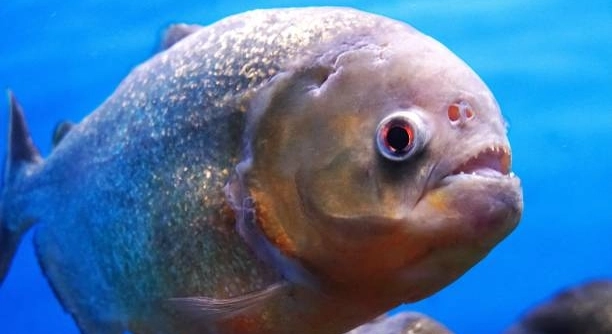
Keeping piranha tank plants clean is important for a healthy aquarium environment. Regular maintenance helps prevent algae buildup and keeps the water clear. Proper care supports both the plants and the well-being of the fish.
Safely cleaning piranha tank plants involves gentle rinsing with dechlorinated water, avoiding harsh chemicals, and trimming dead or decaying leaves carefully. These steps minimize stress to the plants and maintain water quality suitable for piranhas.
Understanding how to properly clean your tank plants will help maintain a balanced ecosystem. It also protects your fish from harmful substances while keeping your aquarium looking its best.
Preparing Your Tools and Materials
Before cleaning your piranha tank plants, gather everything you need. You will want a soft brush or sponge, a container with dechlorinated water, and a pair of scissors or plant trimmers. Avoid any cleaning agents or soaps because these can harm both plants and fish. Make sure the water you use to rinse the plants matches the tank’s temperature to reduce shock. Taking time to prepare properly helps the cleaning process go smoothly and safely.
Having the right tools on hand makes the task easier and safer for your plants and piranhas.
Cleaning plants without the correct materials can cause damage. Soft brushes help remove algae gently, while scissors allow you to trim away unhealthy leaves without pulling on the stems. Using dechlorinated water prevents chlorine-related harm. By preparing carefully, you protect the plants’ health and avoid stressing your fish. This step is essential for maintaining a stable and beautiful tank.
Cleaning Techniques for Piranha Tank Plants
Start by gently removing the plants from the tank, handling them with care to avoid damaging the roots or leaves. Rinse the plants slowly in the prepared water to loosen dirt and algae. Use your fingers or a soft brush to wipe away any stubborn spots. Avoid vigorous scrubbing that can tear delicate leaves or stems.
Cleaning the plants in small batches helps keep the process manageable and less stressful for both plants and fish.
Trimming dead or yellowing leaves after cleaning helps the plants focus energy on healthy growth. Make sure to place the plants back gently into the tank once cleaned. Consistent but gentle cleaning supports plant vitality and creates a safer environment for your piranhas. Over time, this care routine improves water quality by reducing debris and excess algae growth, contributing to a balanced and attractive aquarium.
Handling Algae and Debris
Algae can quickly build up on tank plants if not managed. Removing it gently keeps the plants healthy and the water clean.
When algae start growing on leaves, a soft brush or your fingers can help remove it without damaging the plants. Avoid using chemical algae removers as they can harm both plants and piranhas. Regular light cleaning prevents thick layers that block light and affect plant growth. Removing dead leaves and other debris also reduces organic waste in the tank, which helps keep the water clearer. Maintaining a clean environment supports the health of your plants and fish.
Besides algae, small bits of uneaten food and waste can settle on plants. Using a siphon or gentle water flow during tank maintenance can help remove these particles. Keeping plants clean from debris reduces the risk of harmful bacteria and improves oxygen levels in the tank, which benefits both plants and piranhas.
Timing and Frequency of Cleaning
Cleaning plants too often can stress them, while waiting too long allows buildup. Finding the right balance is key.
Generally, cleaning plants every two to four weeks is enough for most piranha tanks. This timing depends on the tank size, plant growth rate, and algae presence. Observe your tank regularly to see when plants look dirty or leaves start to decay. Performing partial water changes during cleaning helps remove excess nutrients that feed algae growth. Frequent, gentle care keeps plants healthy without disturbing your piranhas. Cleaning should become part of routine tank maintenance to support a balanced aquatic environment.
Avoiding Harmful Chemicals
Chemical cleaners can be dangerous for both piranhas and plants. Always use natural methods when cleaning your tank plants.
Even mild chemicals can upset your tank’s delicate balance. Stick to gentle rinsing and trimming to keep the ecosystem safe and healthy.
Monitoring Plant Health
Regularly check your plants for signs of stress or disease. Yellowing leaves or spots can signal problems.
Addressing issues early prevents further damage and helps maintain a thriving tank environment for both plants and fish.
Using Safe Plant Fertilizers
Choose fertilizers designed specifically for aquatic plants. Avoid those with harmful additives that could affect piranhas.
Applying fertilizers in small amounts helps promote healthy growth without disrupting water quality. Follow the product instructions carefully.
FAQ
How often should I clean my piranha tank plants?
Cleaning your piranha tank plants every two to four weeks is usually enough. This schedule helps keep algae and debris under control without stressing the plants. If you notice heavy algae buildup or dying leaves sooner, clean them gently to prevent damage.
Can I use tap water to rinse the plants?
Tap water often contains chlorine and other chemicals that can harm plants and fish. Always use dechlorinated water or let tap water sit out for 24 hours before rinsing your plants. This reduces harmful substances and keeps your tank safe.
Is it safe to trim dead leaves from plants?
Yes, trimming dead or yellowing leaves is important for plant health. Removing unhealthy leaves helps the plant focus energy on new growth and reduces decaying matter in the tank, which can pollute the water.
What should I avoid when cleaning plants in a piranha tank?
Avoid using soap, detergents, or chemical cleaners. Also, don’t scrub plants harshly, as this can damage delicate leaves and stems. Use only soft brushes, gentle rinsing, and careful trimming to protect your plants and fish.
How do I remove stubborn algae from plants?
Gently rub algae off with a soft brush or your fingers while rinsing the plant in dechlorinated water. For tough spots, soaking the plant briefly can help loosen the algae. Avoid chemicals that might harm your tank’s balance.
Can piranhas harm the plants during cleaning?
Piranhas usually do not damage plants directly but can stress the plants by disturbing the substrate or water during cleaning. Remove plants carefully and return them slowly to avoid causing stress to either plants or fish.
Are there any fertilizers safe for piranha tanks?
Yes, aquatic plant fertilizers made for fish tanks are safe when used as directed. Avoid fertilizers with copper or other heavy metals, as these can be toxic to piranhas and other aquatic life.
How can I tell if a plant is stressed?
Signs of stress include yellowing, browning, or translucent leaves, slow growth, or leaves falling off. If you notice these signs, check your cleaning routine, water quality, and lighting to improve plant health.
Should I clean the entire tank when cleaning plants?
Cleaning plants and doing a partial water change together helps maintain water quality. However, avoid deep cleaning the entire tank at once to prevent disturbing the beneficial bacteria that keep your aquarium balanced.
Is it necessary to remove plants during cleaning?
Removing plants makes it easier to clean them thoroughly and check for damage or algae. Handle them gently to avoid hurting roots or leaves, and rinse them carefully before placing them back in the tank.
How do I maintain water temperature during plant cleaning?
Use water that matches the tank’s temperature when rinsing plants. Sudden changes can shock plants and fish, causing stress or damage. Testing water temperature beforehand helps keep conditions stable.
What should I do if plants keep getting algae?
Control light exposure, avoid overfeeding fish, and keep a regular cleaning schedule. Algae thrive with excess nutrients and light, so balancing these factors reduces buildup on your plants.
Can I clean plants while piranhas are in the tank?
It’s safer to remove plants during cleaning to avoid stressing the fish and damaging plants. If you must clean them inside the tank, be very gentle and quick to reduce disturbance.
How do I handle fragile plants?
Fragile plants need extra care during cleaning. Use soft tools, avoid heavy scrubbing, and trim carefully. If algae are difficult to remove, soaking in dechlorinated water can help loosen dirt without damaging leaves.
What is the best way to replant cleaned plants?
Gently place plants back into their original spots, ensuring roots are covered but not buried too deep. Firm the substrate lightly around roots to keep plants stable without damaging them. This encourages healthy growth after cleaning.
Taking care of piranha tank plants requires patience and gentle handling. Keeping your plants clean is not just about making the tank look nice—it also helps maintain a healthy environment for both the plants and your piranhas. Regular cleaning prevents algae buildup, removes dead leaves, and keeps the water clear. These small steps support the natural balance in your aquarium, making it a better place for all living things inside.
Cleaning piranha tank plants safely means using the right tools and avoiding chemicals. Soft brushes, dechlorinated water, and careful trimming are the best ways to keep plants healthy without causing harm. It is important to be gentle so you don’t damage delicate leaves or roots. Removing algae and debris regularly will help plants get enough light and nutrients, which they need to grow strong. At the same time, this care keeps your piranhas safe from harmful substances or sudden changes in water quality.
Finally, knowing when and how often to clean your plants is key. Too much cleaning can stress the plants, but waiting too long can let algae and waste take over. Checking your tank often will help you find the right balance. With simple care and attention, your piranha tank plants will thrive. This will create a beautiful and healthy home where your fish can live comfortably and your plants can grow well.

Hello,
If you enjoy the content that we create, please consider saying a "Thank You!" by leaving a tip.
Every little bit helps us continue crafting quality advice that supports the health, happiness, and well-being of pets around the world, for pets of all shapes, sizes, and species.
We really appreciate the kindness and support that you show us!