
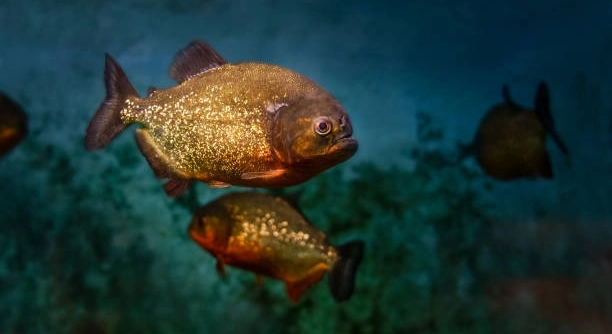
Do your piranhas seem more aggressive or restless when mating season begins? Managing their behavior during this time can feel overwhelming without the right approach.
The best way to manage piranha behavior during mating season is by adjusting environmental factors like tank size, water conditions, and visual barriers. These changes help reduce aggression and territorial disputes, creating a safer habitat.
Learning how these environmental changes affect their behavior can help you create a calmer tank and improve the overall wellbeing of your piranhas.
Understanding Piranha Behavior During Mating Season
Piranhas become more territorial and aggressive during mating season. This is their way of protecting nests and securing space for reproduction. You’ll notice increased chasing, nipping, and guarding behaviors—especially if the tank is crowded or lacks hiding areas. These behaviors aren’t random; they are part of a natural instinct that intensifies when conditions mimic their breeding environment. Slight temperature changes or seasonal shifts in lighting can trigger this response. If you’re not prepared, aggression may escalate and lead to injuries. Giving them room and adjusting tank conditions helps manage this. Separate breeding pairs if needed, and monitor tank mates closely. Use tank dividers or introduce objects that block line of sight, like plants or rocks. These changes help maintain peace. Water quality matters too. Consistent conditions reduce stress, which can lower aggressive behavior. Feeding them high-protein foods during this time supports their natural cycle and helps keep them focused.
Piranhas don’t lash out without reason. During breeding, they react more sharply to perceived threats, even from their usual tank mates.
By observing patterns and keeping the tank setup consistent, you’ll recognize early signs of mating behaviors. That gives you a chance to step in before anything gets out of control.
Creating the Right Tank Setup
Small changes in your tank environment can have a big impact on how your piranhas behave during this period.
Start by making sure your tank is large enough for your group. Overcrowding will raise stress levels and lead to more fighting. A well-sized tank gives each piranha space to claim territory. Next, adjust the lighting to mimic natural light cycles—gradual dimming helps replicate dusk and dawn conditions. Temperature should remain stable, with slight increases only if you’re encouraging breeding. Use live or artificial plants and décor to break up open areas. This gives fish places to hide and reduces direct contact. If aggression rises too quickly, divide the tank using a mesh or acrylic barrier. This allows for visual separation while still maintaining shared water conditions. Always keep water clean and properly filtered. Spikes in ammonia or nitrite make fish uncomfortable and more likely to lash out. Feed regularly, using sinking pellets and fresh protein sources. Hungry fish become more agitated. With careful setup and regular monitoring, you can reduce stress and manage behavior effectively.
Managing Aggression Between Tank Mates
Piranhas often become more defensive around other fish during mating season. If housed with tank mates, you might notice increased chasing or biting. Separate aggressive individuals if injuries occur or use barriers to reduce direct contact.
Keep an eye on their behavior during feeding and territory defense. If one fish starts guarding a specific area or becomes overly aggressive, that’s a sign to step in. Remove or isolate the fish showing extreme behavior, especially if you see torn fins or stress signs in others. Using temporary dividers or moving tank mates to another aquarium can help avoid injuries. Keep feeding areas separate to limit competition. Consistent lighting, temperature, and clean water reduce environmental stress and lower aggressive triggers. Always watch closely for changes in group dynamics. Small shifts in behavior often mean it’s time to act before real harm happens.
Try to keep tank mates in separate sections, using dividers when necessary. If piranhas are paired for breeding, they should have privacy to avoid triggering defensive behavior. Sometimes, it’s better not to keep piranhas with other fish during mating season. Even if they’ve shared a tank peacefully before, things change quickly when breeding instincts kick in. Monitor every fish daily for signs of stress or injury. Balance matters.
Feeding Tips During Mating Season
Increase protein-rich foods like chopped fish, shrimp, or sinking carnivore pellets. This supports energy needs and may reduce aggression caused by hunger. Feed smaller portions more often to keep them satisfied without overfeeding.
Remove any uneaten food to prevent water contamination. Dirty water adds stress and worsens aggressive behavior.
Signs of Stress to Watch For
Look for rapid breathing, hiding more than usual, torn fins, or refusal to eat. These are common stress signs in piranhas during mating season. If you notice these changes, adjust tank conditions and reduce stimuli. Stress can lead to serious health problems if ignored.
When to Separate Pairs
Separate pairs if one fish becomes overly aggressive or if injuries appear. Use a divider or move one fish to a separate tank.
FAQ
How can I tell if my piranhas are mating?
Piranhas show distinct behaviors when mating. Males often become more colorful and guard specific spots in the tank. You might see increased chasing, nipping, or nest building. They may clear out areas among plants or rocks to create space for eggs. These behaviors can start days before actual spawning. It’s normal for aggression to rise, but constant violent fighting means intervention is needed.
What is the best tank size for breeding piranhas?
A tank of at least 75 gallons is recommended for a breeding pair or a small group. Larger tanks reduce territorial disputes by providing enough space for individual territories. Overcrowding increases stress and aggression, so avoid keeping many fish in a small space during mating season. Proper filtration and stable water conditions are equally important to maintain a healthy environment.
Can I keep other fish with piranhas during mating season?
It’s generally not advised. Piranhas become highly territorial and aggressive when breeding, which can harm other tank mates. If you do keep other fish, make sure the tank is very large with plenty of hiding spaces. Be prepared to separate them at the first signs of aggression. Using dividers to separate piranhas from other species during this time helps avoid injuries.
How often should I feed my piranhas during mating season?
Feeding smaller amounts 2 to 3 times a day works best. High-protein foods like shrimp, fish, and carnivore pellets help meet their increased energy needs. Avoid overfeeding, as leftover food can pollute the water and stress the fish. Monitor feeding behavior closely; if aggression spikes during feeding, try feeding at different tank locations or using barriers to reduce competition.
What water parameters are best during mating season?
Maintain stable water temperature around 78-82°F (25-28°C). Slight increases in temperature can encourage spawning but avoid rapid changes. pH should stay between 6.5 and 7.5, with low nitrate and ammonia levels. Good filtration and regular water changes keep water quality high, reducing stress and aggression. Sudden shifts in water chemistry can cause problems during this sensitive period.
How do I reduce aggression if piranhas start fighting?
Increase hiding spaces and break up sightlines with plants, rocks, or decorations. Using tank dividers to separate aggressive individuals helps prevent injury. Ensure adequate space by upgrading to a larger tank if needed. Feeding multiple times daily can reduce food-related aggression. Keeping water clean and stable also lowers stress levels, which reduces overall aggression.
Is it normal for piranhas to injure each other during mating season?
Some minor injuries happen as part of territorial disputes, but severe or bleeding wounds are not normal and need immediate attention. Injuries increase infection risks and stress. Separate aggressive fish and treat wounds with aquarium-safe antiseptics if necessary. Preventing injury is best done by managing tank size, environment, and separating overly aggressive individuals promptly.
Can piranha aggression affect their health?
Yes. Excessive aggression leads to stress, weakened immune systems, and increased susceptibility to disease. Constant fighting may cause physical injuries and reduce feeding efficiency. Stress from aggression can also impact breeding success. Maintaining a proper tank setup and intervening when needed helps keep piranhas healthy throughout mating season.
What is the role of lighting during mating season?
Lighting should mimic natural day and night cycles to encourage natural behaviors. Gradual dimming in the evening and slow brightening in the morning reduce stress. Bright, constant light can cause agitation and increase aggression. Using a timer ensures consistent light cycles, which helps stabilize piranha behavior during mating season.
When should I consider separating piranha pairs permanently?
If aggression continues despite adjustments or one fish shows repeated injury or stress, permanent separation may be necessary. Some pairs or individuals cannot coexist peacefully during breeding. Long-term separation can protect fish health and maintain tank harmony. Always observe behavior closely and be ready to act if conditions worsen.
Final Thoughts
Managing piranha behavior during mating season requires careful attention and timely action. Their natural aggression increases as they prepare to breed, which can lead to injuries and stress if not handled properly. Creating a stable and well-structured environment helps reduce conflicts. This includes providing adequate space, hiding spots, and clear territories for each fish. Proper feeding with high-quality, protein-rich foods supports their energy needs and reduces food-related aggression. Regular water changes and maintaining good water quality are also essential to keep the fish healthy during this sensitive time. Monitoring their behavior closely allows you to intervene early, preventing serious problems before they develop.
Separating aggressive individuals or pairs when necessary is a key step to maintaining a peaceful tank. Even if piranhas seem compatible during normal times, their behavior can change drastically when mating. Temporary barriers or moving certain fish to another tank can prevent injuries and reduce stress for all tank inhabitants. It is important to remember that some level of aggression is natural and expected. However, when fights become severe or cause injury, it becomes a welfare issue that requires immediate action. Being proactive with tank management and responsive to signs of stress helps ensure the well-being of your piranhas throughout the mating season.
Successful piranha care during mating season balances the fish’s natural instincts with a controlled environment. By following basic guidelines for tank setup, feeding, and behavioral monitoring, the risks associated with mating aggression can be minimized. Patience and consistency are essential as you observe your fish and make adjustments. This approach not only protects the fish but also allows for a smoother breeding process if that is the goal. Managing aggression well supports both the health and longevity of your piranhas, creating a more stable and less stressful aquarium for all involved.

Hello,
If you enjoy the content that we create, please consider saying a "Thank You!" by leaving a tip.
Every little bit helps us continue crafting quality advice that supports the health, happiness, and well-being of pets around the world, for pets of all shapes, sizes, and species.
We really appreciate the kindness and support that you show us!