
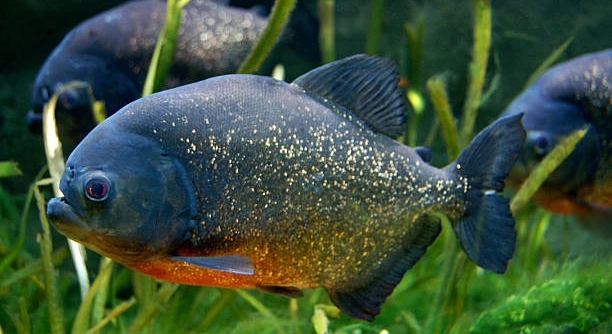
Do you ever find yourself wondering how piranhas respond when something touches them in the water—especially outside their usual feeding behavior?
Piranhas show a range of unexpected reactions to touch, including freezing, fleeing, or sudden aggression. These behaviors can vary depending on the species, the environment, and whether the stimulus is familiar or perceived as a threat.
From subtle flinches to abrupt escapes, these responses reveal more than just instincts—they offer a closer look at piranha behavior in complex surroundings.
They Might Freeze Completely
When touched unexpectedly, some piranhas freeze in place. This stillness isn’t just hesitation—it’s a built-in survival response. In the wild, freezing helps them avoid being spotted by predators. Remaining motionless makes them blend into murky waters or crowded schools. Researchers have seen this behavior in both red-bellied and black piranhas. The freeze response typically lasts just a few seconds, but during that time, the fish stays hyper-aware of its surroundings. It may flick its fins slightly or shift its position, but the body remains stiff and still. While this might seem like fear, it’s a strategic behavior. In tanks or aquariums, this reaction can be triggered by a hand brushing the water or a sudden tap on the glass. Over time, captive piranhas may show this response less often, especially if they become used to human interaction or routine care like feeding and cleaning.
Even the slightest touch can activate this natural defense.
This frozen state shows how piranhas rely on instinct when assessing a situation. It’s not about curiosity—it’s about deciding if it’s safe to move or not.
They Can Lash Out Suddenly
Some piranhas respond with a swift, sharp bite. This is not always aggression—it’s a defensive reaction.
When startled or stressed, especially in confined environments, piranhas may lash out quickly. This usually happens in two cases: when they feel cornered or when they detect movement too close to their sensitive lateral lines. These lines help them sense vibrations in the water, so even a soft ripple can signal danger. In aquariums, touching the water or shifting decorations might be enough to cause a reaction. The bite may not be aimed directly at the source but rather as a general strike. Keepers often report this during tank maintenance, especially when reaching in unexpectedly. In wild settings, these reactions are more common during breeding season or when protecting their territory. However, it’s rare for a piranha to bite without warning—there’s typically a split-second shift in posture or a slight backstep first. These reactions highlight how sensitive and aware piranhas are to changes in their environment. Understanding this helps avoid unnecessary stress during handling or tank interactions.
They May Shake or Twitch Briefly
Some piranhas respond with a brief twitch or shake after being touched. This quick movement is usually a nervous reaction to unexpected contact.
This behavior often looks like a fast, jerky motion of the body or fins. It’s different from their usual swimming and usually happens once, right after the touch. The shake may last a second or two before they swim away or settle down. It’s most noticeable in calmer waters or aquariums where sudden disturbances are rare. These quick movements don’t mean the piranha is in pain—it’s more like a flinch. In the wild, it can help them escape from small threats or alert nearby fish to possible danger. Some species are more sensitive than others, especially younger or newly introduced piranhas. It’s not aggressive or defensive—it’s a moment of surprise.
Observing this twitch response helps aquarium owners understand how easily piranhas can become startled, even during simple tasks like feeding or cleaning.
They Might Circle the Area
After being touched, some piranhas circle the spot where the contact happened. This is often a way to inspect the disturbance and figure out if there’s a threat or not.
Circling can last a few seconds or go on longer if the piranha remains unsure. They often swim tightly around the area, watching for movement or ripples in the water. It’s a mix of caution and curiosity. In aquariums, this behavior may follow after a hand enters the tank or something shifts in the water. Piranhas might also glance toward other fish nearby, checking for reactions. Sometimes, they make low, wide loops—other times, their movement is tight and quick. This isn’t a sign of panic, but it does show how alert and reactive they are to change. While they aren’t typically social, piranhas rely on body language and movement to communicate. Circling gives them a way to stay informed without taking unnecessary risks.
They Might Drift to the Bottom
Some piranhas slowly sink to the bottom after being touched. This can be a calming method or a sign they’re trying to hide.
Staying low helps them avoid further contact. It’s a quiet way of saying they’d prefer to be left alone for now.
They May Speed Away Instantly
A sudden burst of swimming is a clear sign that the piranha was startled. This rapid escape usually happens within a second of being touched. It’s a high-alert response that can also trigger nearby piranhas to scatter in a chain reaction. The speed is impressive—often crossing the tank in a flash. In the wild, this same reaction would help them avoid predators or large animals moving through the water. Even in safe environments, the instinct remains strong. After speeding away, they usually slow down and settle at a safe distance. The direction isn’t always controlled—it’s about getting away fast.
They Might Show Color Changes
After being touched, some piranhas temporarily change color. This is usually a stress reaction, and the color fades back to normal once they calm down.
FAQ
Why do piranhas react strongly to touch?
Piranhas are wired to respond quickly to anything unusual in their environment. Touch can signal danger or a threat, triggering automatic defense or escape behaviors. Their reactions help protect them from predators and other risks.
Are all piranha species equally sensitive to touch?
No, sensitivity varies among species. Some piranhas, like the red-bellied piranha, tend to be more reactive, while others are calmer. Environmental factors, age, and individual temperament also influence sensitivity.
Can piranhas get used to human touch?
In captivity, many piranhas become accustomed to gentle human interaction over time. Regular, calm handling or routine tank care can reduce stress reactions, but sudden or rough contact will still startle them.
Is it safe to touch piranhas in an aquarium?
Touching piranhas is generally not recommended. Even if they seem calm, their quick reactions and sharp teeth pose a risk. It’s safer to use tools for tank maintenance and avoid direct contact.
What should I do if a piranha bites during handling?
If bitten, clean the wound immediately to prevent infection. Seek medical attention if the bite is deep or bleeding heavily. It’s important to avoid sudden moves around piranhas and keep hands clear when possible.
Do piranhas bite out of aggression or fear?
Mostly, piranhas bite due to fear or self-defense, not unprovoked aggression. They respond to perceived threats or sudden movements. Understanding their body language can help prevent bites.
Why do some piranhas freeze instead of swimming away?
Freezing helps piranhas avoid detection by predators. Staying still makes them harder to spot in murky water or crowded groups. It’s a natural survival tactic, not a sign of weakness.
Can piranhas recognize their keepers?
Piranhas can recognize routine actions like feeding time or tank cleaning. They may react less fearfully to familiar people, but they do not form bonds like pets do.
How does water quality affect piranha reactions?
Poor water quality increases stress and can make piranhas more reactive to touch. Keeping water clean and stable reduces unnecessary stress and aggressive behaviors.
Do piranhas react differently during breeding season?
Yes, during breeding, piranhas can become more territorial and sensitive. They might react more aggressively or defensively to any touch near their nesting area.
What are safe ways to interact with piranhas?
Use long tools or nets for tank work to avoid direct contact. Move slowly and calmly to prevent startling them. Feeding with tongs can help keep a safe distance.
How can I tell if a piranha is stressed?
Signs include rapid swimming, color changes, hiding more than usual, or twitching. Stress often follows sudden changes in environment or excessive handling.
Do piranhas communicate through touch?
Piranhas mainly use body language and water vibrations to communicate. Touch isn’t a common form of interaction among them, so human contact is usually seen as a threat.
Can piranhas be trained to tolerate touch?
With patience and consistent, gentle exposure, piranhas can reduce their fear of touch. However, they will always retain some instinctive caution.
What happens if piranhas are touched too often?
Frequent unwanted contact causes stress, weakening their immune systems and possibly leading to illness. Limiting handling and disturbance is best for their health.
Do juvenile piranhas react differently than adults?
Juveniles tend to be more skittish and sensitive. They may freeze or flee more quickly than adults, who are generally more confident in their environment.
Why do piranhas sometimes twitch after touch?
Twitching is a quick, involuntary reaction to surprise or discomfort. It helps them quickly process unexpected sensations and decide how to respond next.
Are piranhas more reactive in captivity than in the wild?
Captive piranhas often show stronger reactions due to smaller tank space and less environmental complexity. Wild piranhas have more room to escape or hide.
How can I reduce piranha stress during tank cleaning?
Clean the tank gently and slowly. Avoid sudden movements or tapping on the glass. Remove piranhas temporarily if possible to reduce stress.
What should I do if a piranha freezes for a long time?
Long freezing can indicate stress or poor water conditions. Check water quality, temperature, and look for illness. Provide a calm environment with minimal disturbance.
Can touching piranhas cause long-term behavioral changes?
Repeated stress from touch can lead to increased aggression or hiding. Maintaining stable conditions and limiting contact prevents these issues.
Is it normal for piranhas to change color after being touched?
Yes, color change is a natural stress response. It usually fades once the fish calms down. Persistent color changes may indicate health problems.
Do piranhas respond differently to different types of touch?
Yes, gentle brushing may cause minimal reaction, while sudden pokes or grabs often provoke stronger responses. The location of touch also matters.
Can piranhas learn to associate touch with food?
They may associate hand movements near the tank with feeding, but this doesn’t mean they enjoy touch. It’s more a conditioned response than affection.
How does group size affect piranha reactions?
In larger groups, piranhas feel safer and may react less intensely. Smaller groups or solitary fish tend to be more defensive and reactive to touch.
What signs show a piranha is about to flee?
Signs include a quick flick of the tail, body tensing, and a sudden turn away from the source of touch. These are early warnings before rapid escape.
Are some piranhas more aggressive because of touch experiences?
Piranhas stressed by frequent handling or rough touch may develop higher aggression levels. Careful, minimal contact helps keep their behavior balanced.
How long do piranha reactions last after being touched?
Most reactions last only a few seconds, but stress effects can linger longer. Calm surroundings help them recover more quickly.
Do piranhas use smell or taste to respond to touch?
Piranhas rely mostly on sight and lateral line senses. While smell and taste are important for feeding, touch triggers are mostly detected through water vibrations and movement.
Final Thoughts
Piranhas have a reputation that often makes people think of danger and aggression. However, their reactions to touch show a more complex side to their behavior. These fish rely on quick responses to protect themselves, and how they react depends on many factors such as their species, environment, and past experiences. Understanding their behavior helps us see that their reactions are not just random but part of their natural survival instincts. Whether they freeze, speed away, or change color, each response is a way of managing stress or avoiding harm.
In captivity, piranhas may become somewhat accustomed to human presence, but their instincts remain strong. It’s important to respect their natural limits and avoid unnecessary handling. Over time, repeated contact can cause stress that affects their health and behavior. Keeping their environment stable and clean also helps reduce stress and unwanted reactions. When caring for piranhas, using tools instead of hands can protect both the fish and the keeper. Observing without disturbing allows piranhas to remain calm and healthy.
Knowing how piranhas react to touch gives a clearer picture of their needs and how to care for them properly. These fish are more than their sharp teeth and fierce image—they are sensitive creatures with distinct ways of coping with their surroundings. Treating them with care and patience benefits both the fish and anyone who interacts with them. Paying attention to their behavior not only keeps them safe but also makes it easier to enjoy their unique presence in an aquarium setting or in nature.

Hello,
If you enjoy the content that we create, please consider saying a "Thank You!" by leaving a tip.
Every little bit helps us continue crafting quality advice that supports the health, happiness, and well-being of pets around the world, for pets of all shapes, sizes, and species.
We really appreciate the kindness and support that you show us!