
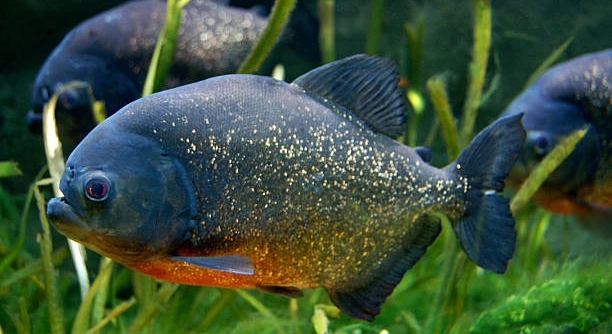
Moving a piranha can be a stressful experience for both the fish and its owner. Keeping the piranha calm during relocation is important to prevent injury and reduce stress. This article will help you understand the best ways to handle this task safely and effectively.
To keep a piranha calm during relocation, minimize sudden movements and loud noises, maintain consistent water temperature and quality, and use a secure container with enough space to reduce stress. Proper preparation and gentle handling are essential.
Knowing these techniques can make relocation smoother for your piranha and help maintain its health and well-being throughout the process.
Preparing the Piranha for Relocation
Before moving your piranha, it’s important to create the right environment for the transition. Start by choosing a sturdy, leak-proof container that is large enough for the fish to move comfortably but small enough to limit excessive swimming. Fill the container with water from the original tank to keep the water chemistry consistent. Avoid adding new water, as this could cause shock. Make sure to check the temperature and try to keep it close to the fish’s usual tank temperature. Reducing light by covering the container with a towel can also help calm the fish during transport. Handle the fish gently using a soft net or container to prevent injury. Preparation helps reduce stress and keeps your piranha calm during the move.
Moving your piranha without preparation can increase stress and risk of injury. Planning ahead ensures the fish stays safe and comfortable.
Taking time to prepare both the fish and the container helps create a smooth transition. This reduces the chance of sudden temperature changes or chemical shocks, which can be harmful. Proper preparation makes a big difference in keeping your piranha calm.
Handling During Transport
Keep the container steady and avoid sudden movements while transporting your piranha. Sudden jolts or shaking can stress the fish, causing rapid breathing or injury. If possible, place the container in a stable, cushioned area inside your vehicle or carry it carefully by hand. Keep noise levels low and avoid tapping or shaking the container. If the transport is long, check the water temperature periodically and try to maintain it by using insulated bags or cool packs, but never place them directly against the container. Keeping the environment as calm and stable as possible will help your piranha feel safer and less anxious.
Careful handling during transport is key to minimizing stress and preventing harm to your piranha.
Being calm yourself can help, as fish can sense vibrations and movement. Talk softly or avoid loud noises around the fish. A steady, quiet environment encourages your piranha to stay relaxed. This simple care improves their well-being during the move.
Settling the Piranha into Its New Tank
Once you arrive, slowly introduce the piranha to the new tank water by gradually mixing small amounts of the new tank water into the transport container. This helps the fish adjust to any differences in water conditions. Avoid pouring the transport water directly into the tank to reduce contamination risk.
After acclimating the piranha for about 15 to 30 minutes, gently transfer it into the new tank using a soft net. Turn off bright lights to keep the environment calm. Keep noise and movement to a minimum during this time to avoid startling the fish.
Make sure the new tank has proper filtration and stable temperature before placing your piranha inside. Check that decorations or plants do not have sharp edges that could injure the fish. Providing a calm, safe space will help your piranha settle comfortably and reduce stress from the change.
Monitoring Your Piranha After Relocation
Observe your piranha closely for the first few days after relocation. Watch for signs of stress like erratic swimming, hiding, or refusal to eat. Maintaining consistent water parameters is critical, so test the water regularly to avoid sudden changes.
Feeding should be gentle and in small amounts until your fish shows normal behavior. Avoid overcrowding the tank with other fish during this time to minimize competition and stress. Providing hiding spots with plants or decorations can also help your piranha feel secure.
If you notice any unusual behavior or signs of illness, consult a specialist quickly. Early intervention improves recovery chances and helps keep your piranha healthy in its new environment.
Avoiding Common Stress Triggers
Keep sudden loud noises and vibrations away from the tank area. Piranhas are sensitive to vibrations, which can cause stress and erratic behavior. Maintaining a quiet environment helps them stay calm.
Avoid overcrowding the tank. Too many fish can lead to aggression and increased stress levels. Give your piranha enough space to feel secure.
Proper Water Quality Maintenance
Regularly check the water quality by testing parameters like pH, ammonia, nitrite, and nitrate levels. Stable and clean water conditions are crucial for your piranha’s health. Performing weekly partial water changes helps remove waste and keep the environment fresh. Using a reliable filtration system will support water quality by removing debris and toxins. Avoid sudden changes in temperature or chemistry to prevent shock. Maintaining a balanced environment reduces stress and supports the fish’s immune system, making it easier for your piranha to adjust after relocation.
Using Stress-Reducing Additives
Some aquarium additives can help reduce stress during relocation. Products containing natural calming agents can soothe your piranha and ease adjustment. Always follow the instructions carefully when using these additives.
FAQ
How long should I acclimate my piranha to the new tank water?
Acclimating your piranha for about 15 to 30 minutes is usually enough. Gradually add small amounts of the new tank water into the transport container every 5 minutes. This slow mixing helps the fish adjust to changes in water chemistry, reducing shock and stress.
What is the best way to transport a piranha safely?
Use a sturdy, leak-proof container filled with water from the original tank. Keep the water temperature stable and cover the container with a towel to reduce light and movement stress. Avoid shaking or sudden movements during transport to keep the fish calm.
Can I use any container for transporting my piranha?
No, the container should be secure and large enough for the fish to move but small enough to limit excess swimming. It should be leak-proof and easy to cover to keep the fish calm during transport. Avoid containers that allow water to slosh around too much.
How important is water temperature during relocation?
Water temperature is very important. Sudden temperature changes can shock your piranha, causing stress or illness. Try to keep the transport water as close as possible to the tank’s normal temperature. Use insulated bags or cool packs, but never place them directly on the container.
Should I feed my piranha before moving it?
It’s best to avoid feeding your piranha for at least 24 hours before relocation. Fish tend to be more sensitive when their stomachs are full, and uneaten food can foul the transport water. After settling into the new tank, start feeding small amounts once the fish appears calm.
How do I know if my piranha is stressed after the move?
Signs of stress include erratic swimming, hiding for long periods, loss of appetite, and rapid gill movement. Stress can weaken your piranha’s immune system, so monitor behavior closely. If these signs persist for more than a few days, consider testing the water quality or consulting a specialist.
Is it safe to add new water during transport?
It’s not recommended. Adding new water can change the water chemistry suddenly, shocking your piranha. Use water from the original tank to maintain stable conditions. If the transport is long, you can slowly introduce new tank water during acclimation after arriving.
Can I use medications or additives to calm my piranha?
Certain stress-reducing additives can help during relocation. Products with natural calming ingredients are safe when used as directed. Avoid unnecessary medications unless prescribed by a vet. Overuse of chemicals can harm your fish or disrupt tank balance.
How often should I check water quality after moving the piranha?
Test the water daily for the first week after relocation, focusing on ammonia, nitrite, nitrate, and pH levels. Sudden spikes can stress or harm your piranha. Keeping water clean and stable supports recovery and reduces the risk of illness.
What should I do if my piranha shows signs of illness after the move?
Isolate the fish if possible to prevent spreading illness. Check water parameters carefully and improve tank conditions. If symptoms continue, consult a fish health expert for diagnosis and treatment. Early action improves chances for a full recovery.
How can I reduce aggression in the new tank after relocation?
Avoid overcrowding and provide plenty of hiding spots using plants or decorations. Space allows your piranha to feel secure and reduces fighting. Introduce new tank mates slowly and watch for signs of aggression.
Is it better to transport the piranha during the day or at night?
Transporting during the day is usually better because it’s easier to monitor temperature and conditions. However, keep the container covered to reduce light and stress. Avoid sudden exposure to bright lights or loud noises during transport.
How long should the transport container be covered?
Keep the container covered during the entire move to limit light and visual stress. Removing the cover only during acclimation when you start mixing tank water helps the fish adjust smoothly.
Can I use a net to move my piranha?
Yes, but use a soft, fine-mesh net and handle the fish gently. Rough handling or a rough net can injure the fish’s skin or fins. If possible, move the fish with the water it’s already in to reduce stress.
What is the best water for the piranha after relocation?
Use water from the original tank mixed gradually with new tank water during acclimation. The new tank should have stable temperature, proper filtration, and balanced water chemistry suited for piranhas.
How long does it take for a piranha to adjust after moving?
Adjustment times vary, but most piranhas settle within a few days to a week. During this time, monitor their behavior closely and maintain stable water conditions to help the fish feel secure and healthy.
Moving a piranha can be a challenging task, but with careful preparation and attention to detail, it can be done smoothly. The key is to reduce stress as much as possible during every step—from preparing the transport container to settling the fish into its new home. Keeping water conditions stable and handling the fish gently are the most important things to focus on. When these steps are followed, your piranha is more likely to remain calm and healthy through the move.
It is also important to remember that your piranha will need time to adjust once it arrives in its new tank. Watching its behavior closely in the days after relocation helps catch any signs of stress or illness early. Make sure to keep the water clean, stable, and at the right temperature, and avoid sudden changes that could upset your fish. Providing hiding spots and limiting noise and disturbances around the tank will also support your piranha’s comfort as it adapts.
Taking these steps shows that moving a piranha safely is possible with the right approach. While the process requires patience and care, it can be a positive experience for both you and your fish. Staying calm yourself and being mindful of your piranha’s needs will make the relocation easier. In the end, a careful move helps keep your piranha healthy and happy in its new environment.

Hello,
If you enjoy the content that we create, please consider saying a "Thank You!" by leaving a tip.
Every little bit helps us continue crafting quality advice that supports the health, happiness, and well-being of pets around the world, for pets of all shapes, sizes, and species.
We really appreciate the kindness and support that you show us!