
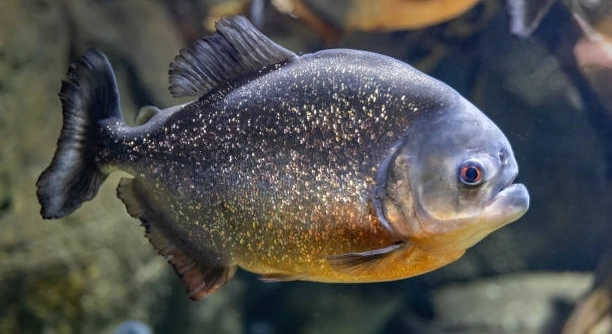
Losing a tankmate can change the way your aquatic pets behave. These shifts often happen quietly but are noticeable if you pay close attention. Understanding these changes can help you care for your remaining fish better.
After a tankmate dies, the surviving fish often show changes in behavior such as reduced activity, altered feeding patterns, increased hiding, or signs of stress. These shifts reflect their response to social loss and changes in their environment.
Recognizing these signs early allows you to provide better care and create a supportive environment for your fish’s recovery and well-being.
Increased Hiding and Reduced Activity
After a tankmate passes away, many fish tend to hide more often. This behavior is a natural response to stress and confusion caused by the sudden absence of a familiar companion. Fish that were used to swimming in groups may feel vulnerable or insecure, so they seek shelter more frequently. You might notice them staying near decorations, plants, or corners of the tank where they feel safer. Reduced activity is also common, as the fish conserve energy and try to avoid potential threats. These changes can last for days or even weeks, depending on the fish’s personality and species. Monitoring their behavior closely during this time helps ensure they are not showing signs of illness or severe distress. Creating a calm and stable environment with minimal sudden changes can help your fish regain confidence and return to normal behavior gradually.
This hiding phase often indicates that your fish is coping with loss and adjusting to the new tank dynamic.
Giving your fish plenty of time and a quiet environment can encourage them to come out of hiding. Avoid overcrowding the tank and maintain stable water conditions to reduce stress. Offering hiding spots and gentle interaction will help your fish feel more secure as they adapt to the change.
Changes in Feeding Habits
Loss of a tankmate can lead to noticeable shifts in eating behavior. Some fish may eat less or lose interest in food due to stress or sadness. Others might eat more, trying to find comfort in the routine. It is important to observe these patterns carefully. Reduced appetite can weaken the fish and make them vulnerable to illness, so you may need to offer softer, more appealing foods or feed smaller portions more frequently. Increased eating could lead to weight gain or digestive problems, so controlling portions is key.
Stress from losing a tankmate affects feeding habits in different ways.
Keeping a close eye on your fish’s appetite allows you to adjust their feeding schedule and diet accordingly. Providing a variety of nutritious foods and feeding in a calm environment supports recovery. If appetite changes persist, consulting a vet or aquatic specialist may be necessary. Understanding these shifts helps maintain your fish’s health during this difficult time.
Increased Aggression or Territorial Behavior
After a tankmate dies, some fish may become more aggressive or territorial. The absence of a group member can disrupt the established social order, causing fish to defend their space more fiercely. This behavior helps them regain control of their environment.
This aggression can show as chasing, nipping, or guarding specific areas in the tank. It may seem sudden but is often linked to the change in tank dynamics. Fish may also mark territories they didn’t before or compete more for food and hiding spots. Over time, these behaviors might settle as the fish adjusts to the new group size. Keeping the tank environment stable and providing multiple hiding places can reduce tension and prevent serious conflicts. If aggression becomes intense, consider rearranging the tank decorations or separating the more aggressive fish to protect others.
Watching how your fish interact after the loss helps you understand when intervention might be needed. Managing aggression carefully supports a peaceful tank environment.
Changes in Social Interaction
Fish that are social may start acting differently toward their remaining tankmates. Some become withdrawn, while others seek more attention or follow their companions closely. These shifts depend on the species and individual temperament. It is common for fish to take time to re-establish bonds and adjust social behaviors after a loss.
In some cases, fish may seem lonely and show more interest in their human caregiver. They might come to the front of the tank more often or respond to feeding with enthusiasm. Other fish could become less interactive, preferring to spend time alone. These behaviors show their attempts to adapt to the new social setting. Observing these changes can help you support your fish’s emotional well-being by offering consistent care, a calm environment, and regular feeding routines. Providing enrichment like new plants or decorations can also encourage natural social behaviors and reduce stress over time.
Loss of Color and Vitality
Fish may lose some of their color after a tankmate dies. This change often reflects stress or lowered health, as their bodies react to the emotional shift. It can make the fish look duller or less vibrant than usual.
Color loss is usually temporary. With proper care and a stable environment, your fish’s colors should return over time. Maintaining clean water and a balanced diet helps support their recovery and overall health.
Increased Restlessness
Some fish become more restless following the death of a tankmate. They may swim more rapidly or pace around the tank. This behavior often signals stress or anxiety caused by the changed social environment.
Changes in Breathing Patterns
Altered breathing is another common sign after a tankmate dies. Fish may breathe faster or appear to gasp at the surface, which can be linked to stress or changes in water quality. It’s important to monitor this closely to avoid health problems.
FAQ
Why does my fish hide more after losing a tankmate?
Fish hide more after losing a tankmate because they feel vulnerable and stressed. Without the familiar presence of their companion, they may seek shelter to feel safe. This is a natural response to sudden changes in their environment and social structure. Giving them time and a quiet space helps them adjust.
How long does it take for a fish to return to normal behavior after a tankmate dies?
The adjustment period varies depending on the species and individual temperament. Some fish may start acting normally within a few days, while others can take weeks. Factors like water quality, tank conditions, and stress levels affect recovery time. Patience and proper care are key to helping fish regain their usual behavior.
Is increased aggression normal when a tankmate dies?
Yes, increased aggression is common after a tankmate dies. The social hierarchy changes, and fish may try to establish dominance or defend territory more aggressively. Providing enough hiding spots and space can reduce conflict. If aggression becomes severe, separating fish temporarily might be necessary.
What should I do if my fish stops eating after a tankmate dies?
Loss of appetite is a common stress response. Try feeding smaller, more frequent meals or offering favorite foods to stimulate eating. Keep the water clean and stable to reduce stress. If the fish refuses food for more than a few days or shows other signs of illness, consult an aquatic vet.
Can a fish get depressed after losing a tankmate?
While we can’t know for sure if fish experience depression like humans, they do show signs of stress and behavioral changes after losing companions. These changes include reduced activity, loss of appetite, and hiding. Supporting them with proper care and a calm environment can improve their condition.
Will adding a new tankmate help my fish after a loss?
Introducing a new tankmate can help some fish feel less lonely, but it must be done carefully. The new fish should be compatible and introduced slowly to avoid added stress or aggression. Observing interactions closely and having a quarantine process is important for a smooth transition.
Why does my fish’s color fade after a tankmate dies?
Color fading is often a sign of stress. When fish are stressed, their bodies may reduce pigment production, making them look dull. Maintaining clean water, a nutritious diet, and reducing stress factors can help colors return to normal over time.
How can I reduce my fish’s stress after a tankmate dies?
Keep the tank environment stable by maintaining water quality, temperature, and lighting. Avoid sudden changes or loud noises near the tank. Provide plenty of hiding places and enrich the environment with plants or decorations. Regular feeding and gentle interaction also support your fish’s recovery.
Is it normal for fish to breathe faster after losing a tankmate?
Yes, faster or heavier breathing can occur due to stress or changes in water quality. Ensure the tank is well-oxygenated and water parameters are optimal. If breathing remains rapid or is accompanied by other symptoms, it may indicate illness requiring attention.
How do I know if my fish’s behavior changes are due to grief or illness?
Behavioral changes like hiding, loss of appetite, or lethargy can be caused by both grief and illness. Watch for additional signs like unusual spots, fin damage, swelling, or abnormal swimming. Regular water testing and observation help distinguish between stress and disease. When in doubt, seek advice from a professional.
When a tankmate dies, it’s natural for the surviving fish to show changes in behavior. These changes are often a way for fish to cope with the loss and adjust to the new environment. You might see your fish hiding more, acting restless, or even becoming more aggressive. These responses are normal and usually temporary, but they can still be worrying to watch. Understanding that your fish are reacting to the change helps you stay patient and supportive during this time. Providing a calm and stable tank environment is the best way to help your fish feel secure again.
Keeping the tank clean and maintaining good water quality plays an important role in helping your fish recover. Stress from losing a tankmate can make fish more vulnerable to illness, so regular water testing and proper care are essential. Feeding your fish well and offering a varied diet can also support their health. Sometimes fish lose their appetite or eat less after a loss, so you might need to try different foods or feed smaller amounts more often. Avoiding sudden changes in the tank, like rearranging decorations or adding new fish too quickly, can reduce stress further.
It’s important to remember that every fish reacts differently. Some may bounce back quickly, while others need more time to adjust. Watching your fish closely during this period can help you notice any serious problems early. If behavior changes last a long time or get worse, it might be a sign of illness, and getting advice from an expert can be helpful. Overall, patience and gentle care make a big difference. Your fish depend on a steady, peaceful home to regain their balance and thrive again after losing a tankmate.

Hello,
If you enjoy the content that we create, please consider saying a "Thank You!" by leaving a tip.
Every little bit helps us continue crafting quality advice that supports the health, happiness, and well-being of pets around the world, for pets of all shapes, sizes, and species.
We really appreciate the kindness and support that you show us!