
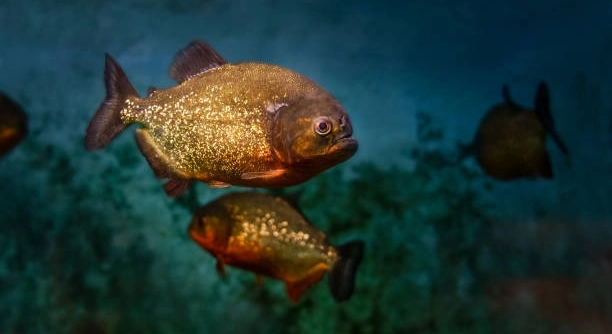
Caring for piranhas means paying close attention to their environment. Healthy water conditions are crucial for keeping these fish safe and thriving. Poor water quality can lead to common diseases, including fin rot.
Fin rot in piranhas is caused by several water conditions such as poor filtration, high ammonia levels, low oxygen, fluctuating temperatures, dirty tanks, improper pH, and overcrowding. These factors create a stressful environment where bacteria can attack the fins.
Recognizing these water issues can help prevent fin rot and improve your piranhas’ health and well-being. It’s important to maintain good tank habits for a strong, vibrant fish community.
Poor Filtration and Water Circulation
When the tank’s filtration system isn’t working well, waste and harmful substances build up quickly. Piranhas produce a lot of waste, so strong filtration is needed to keep the water clean. Without proper filtration, toxins like ammonia and nitrites increase, which can damage their fins and make them vulnerable to infections. Water circulation is also important because it helps oxygen spread evenly and prevents dead spots where waste collects. Stagnant water encourages bacteria growth, which leads to fin rot. Regularly checking and cleaning filters can prevent these problems. It’s easy to overlook the filter’s condition, but it plays a key role in keeping your piranhas healthy.
Maintaining a clean filter and good water flow will reduce the chance of fin rot developing. This keeps the tank environment stable and safer for your fish.
Good filtration protects your piranhas by removing harmful chemicals and debris. It also improves oxygen levels, which helps their immune systems stay strong. Ensuring your filter matches your tank size is important because a small filter won’t handle the waste properly. Besides cleaning the filter, changing some water regularly supports a healthy tank. This combined effort keeps the water fresh, lowering the risk of bacterial infections that cause fin rot.
High Ammonia and Nitrite Levels
Ammonia and nitrites are toxic to piranhas and damage their fins. Even small amounts can cause stress and weaken their defenses against infections.
These chemicals come from fish waste, leftover food, and decaying plants. In a well-maintained tank, beneficial bacteria convert ammonia to nitrites, then to nitrates, which are less harmful. If this process is interrupted—due to poor filtration or cleaning—ammonia and nitrites build up quickly. High levels burn the delicate fin tissue, causing it to rot and fall apart. Testing water often and performing partial water changes can keep these chemicals in check. It’s important to avoid overfeeding since uneaten food increases ammonia. Keeping the tank cycle stable is key to preventing fin rot linked to toxic water. Regular monitoring and care help keep your piranhas healthy and their fins intact.
Low Oxygen Levels
Low oxygen in the tank stresses piranhas and makes fin rot more likely. Without enough oxygen, their immune system weakens, leaving fins vulnerable to infection.
Oxygen levels drop when the tank is overcrowded or poorly aerated. Warm water also holds less oxygen, so temperature control matters. Adding air stones or improving water flow can help increase oxygen. Plants and algae can also affect oxygen but balance is key. Monitoring oxygen levels and adjusting tank setup keeps your fish healthy and active.
Maintaining good oxygen levels reduces stress and helps piranhas fight off bacterial infections. Simple steps like aeration and avoiding overcrowding can make a big difference in preventing fin rot and improving overall tank health.
Fluctuating Water Temperatures
Frequent temperature changes confuse piranhas and put stress on their bodies. Stress weakens their defenses and increases the risk of fin rot.
Stable temperatures help piranhas maintain a strong immune response. Sudden drops or spikes in temperature can cause damage to their skin and fins, making it easier for bacteria to invade. A reliable heater and thermometer help keep the temperature steady. Avoid placing the tank near windows, heaters, or vents where temperature shifts occur often. Consistent water temperature creates a calm environment that supports healing and prevents infections. Temperature control is a key part of proper tank maintenance for piranhas.
Dirty Tanks
Dirty tanks hold waste and harmful bacteria that attack piranha fins. Regular cleaning helps prevent these problems.
Leaving debris and uneaten food in the tank increases the risk of fin rot. Frequent water changes and substrate cleaning keep the environment healthy and safe.
Improper pH Levels
Piranhas thrive in a pH range of about 6.5 to 7.5. When pH levels fall outside this range, their skin and fins can become irritated and damaged. Acidic or overly alkaline water stresses the fish and weakens their immune system. This creates an opening for bacteria that cause fin rot. Using a reliable pH test kit and adjusting the water accordingly helps keep your piranhas comfortable and protected. Regular checks prevent sudden changes that might lead to health issues.
Overcrowding
Too many fish in one tank increase stress and reduce water quality. This creates a perfect setting for fin rot.
FAQ
What are the early signs of fin rot in piranhas?
Early signs include frayed or ragged fins, discoloration at the edges of fins, and fins that look shorter than usual. You may also notice your piranha scratching against objects in the tank or behaving lethargically. Catching fin rot early is important because it can be treated before it worsens.
How can I treat fin rot once it appears?
Treatment usually starts with improving water quality. Perform a partial water change, clean the tank, and check filtration. Adding antibacterial medications designed for fish can help stop the infection. Make sure the tank temperature and pH are stable. Isolate infected fish if possible to prevent spread. Regular monitoring during treatment is essential.
Can fin rot heal on its own?
Fin rot rarely heals without intervention. Poor water conditions allow bacteria to keep attacking the fins. Without fixing the environment or using medication, the damage will get worse. Quick action improves the chances of full recovery.
How often should I test my aquarium water?
Testing water at least once a week helps catch problems early. Check ammonia, nitrite, nitrate, pH, and temperature. Keeping records can help spot trends that lead to fin rot, so you can act before damage happens.
Does diet affect fin rot in piranhas?
Yes, a poor diet weakens the immune system. Feeding high-quality, balanced food strengthens your piranha’s defenses. Avoid overfeeding, as leftover food increases waste and harms water quality.
Is overcrowding really that harmful?
Overcrowding raises stress and waste levels quickly. Both weaken fish and promote disease. Giving your piranhas enough space keeps water cleaner and reduces stress, lowering fin rot risk.
Can other fish spread fin rot to piranhas?
Yes, fin rot bacteria can transfer through water or direct contact. Keeping infected fish separate and maintaining good tank hygiene reduces spread chances.
How do I prevent fin rot long term?
Consistent tank maintenance is key. Regular water changes, filtration checks, stable temperature, and proper feeding create a healthy environment. Early detection through water testing also helps prevent fin rot.
Are there any natural remedies for fin rot?
Some hobbyists use salt baths or plant extracts, but these are less reliable than proper medication and care. Always research and use safe treatments to avoid harming your piranhas.
Can stress alone cause fin rot?
Stress doesn’t cause fin rot directly but lowers immunity, making fish vulnerable. Stress can come from poor water, overcrowding, or aggressive tank mates. Reducing stress helps fish fight infections naturally.
Taking good care of piranhas means paying close attention to their water conditions. Fin rot is a common problem that happens when the water quality is poor or unstable. Things like dirty tanks, high ammonia, low oxygen, and fluctuating temperatures make piranhas weak and open to infections. By understanding what causes fin rot, you can better protect your fish and keep them healthy for a long time. It is important to remember that fin rot doesn’t just appear suddenly; it is usually a sign of ongoing water issues that need fixing.
Maintaining a clean and balanced tank is the best way to prevent fin rot. This includes regularly checking and cleaning the filter, doing partial water changes, and testing water for harmful chemicals like ammonia and nitrites. Keeping the right temperature and pH range is also important because piranhas need stable water conditions to stay strong. Overcrowding can stress the fish and make fin rot more likely, so providing enough space is key. Feeding your piranhas a healthy diet supports their immune system, helping them fight off infections naturally. Paying attention to these simple steps can greatly reduce the chances of fin rot developing in your aquarium.
If fin rot does appear, acting quickly can save your piranhas from serious harm. Improving water quality and using proper treatments can stop the infection and allow fins to heal. It’s important to keep a close eye on the fish and their environment to catch any problems early. Consistent care and good tank habits will not only prevent fin rot but also create a better home for your piranhas to grow and thrive. With patience and attention, you can enjoy a healthy and beautiful aquarium for years to come.

Hello,
If you enjoy the content that we create, please consider saying a "Thank You!" by leaving a tip.
Every little bit helps us continue crafting quality advice that supports the health, happiness, and well-being of pets around the world, for pets of all shapes, sizes, and species.
We really appreciate the kindness and support that you show us!