
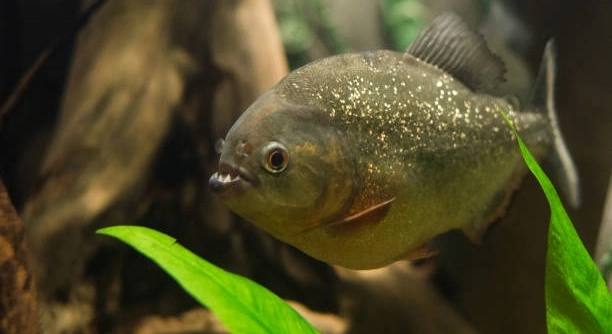
Piranhas are often seen as fierce fish, but they also show signs of curiosity in their behavior. These fish explore their environment in various ways that reveal more than just their aggressive nature. Understanding this side of piranhas helps us see them differently.
Piranhas demonstrate curiosity through behaviors such as investigating new objects, responding to changes in their surroundings, and cautiously approaching unfamiliar items. These actions indicate that piranhas are not solely aggressive but actively gather information about their environment.
Learning about these curious behaviors gives a fresh perspective on how piranhas interact with their world beyond their reputation.
Investigating New Objects
Piranhas often show curiosity by investigating new objects introduced into their environment. When something unfamiliar appears, like a plant or a decoration, they swim close and sometimes nibble gently. This behavior is not about aggression but about learning what the object is. They use their senses to explore the texture, taste, and movement caused by water currents around the item. This cautious approach helps piranhas decide if the object poses any threat or could be a source of food. Observing this, it’s clear that piranhas balance wariness with curiosity, which helps them survive in complex river habitats. It’s interesting how these fish combine instinct with exploration, showing more than just their sharp teeth and quick attacks.
This kind of curiosity helps piranhas adapt to new surroundings and changes in their habitat, making them flexible survivors.
Their methodical investigation of new objects shows a side of piranhas that many people don’t expect: they are active learners in their environment.
Responding to Environmental Changes
Piranhas react quickly to changes around them. When the water’s temperature, clarity, or flow shifts, they adjust their behavior accordingly. These fish pay attention to subtle changes and investigate what is happening. For example, if the water becomes murky, piranhas may swim slower or stick closer to familiar spots until they understand the new conditions. Their curiosity drives them to explore and adapt, which is important for staying safe and finding food. Watching how they respond to these changes reveals how alert and aware they are. This behavior also shows their need to gather information constantly, making them more than just instinct-driven hunters. They are aware creatures that use curiosity to navigate their environment effectively.
Cautious Approaches
Piranhas often approach unfamiliar objects or creatures slowly and carefully. This cautious behavior is a way to gather information without risking harm.
When piranhas encounter something new, they circle around it, watching and sometimes touching it gently with their mouths. This slow approach helps them assess the object’s safety before deciding what to do next. It’s a mix of caution and curiosity that keeps them safe in uncertain situations. They don’t rush in but take time to learn, which shows how they balance exploration with self-protection. This careful investigation helps them avoid danger and better understand their surroundings.
By moving slowly and observing carefully, piranhas show they are thoughtful and not just driven by aggression. This behavior reflects their ability to adapt and learn in their environment.
Interaction with Other Fish
Piranhas also show curiosity by observing and sometimes interacting with other fish in their area. They watch how other fish behave and react to different situations. This interest helps piranhas understand potential threats or opportunities around them. They might swim closer to see what other fish are doing or follow them to find food. This behavior suggests that piranhas gather information from their neighbors, learning from the actions of others to improve their chances of survival. Their curiosity extends beyond just objects to include the behavior of other creatures in their habitat.
This social awareness helps piranhas stay alert and make better decisions in their complex aquatic environment, showing a level of intelligence often overlooked.
Investigating Water Currents
Piranhas use water currents to learn about their surroundings. They pay attention to changes in flow and direction.
These currents can carry scents, vibrations, or small particles. By sensing these, piranhas gather clues about food, danger, or other fish nearby.
Following Movement Patterns
Piranhas often watch movements around them carefully. This helps them detect potential prey or threats in time. They track swimming patterns and react quickly, showing their alertness and interest in what happens nearby.
Inspecting Potential Food
Piranhas examine new food sources cautiously before eating. This careful inspection prevents them from eating something harmful or unfamiliar.
What makes piranhas curious creatures?
Piranhas are curious because their survival depends on understanding their environment well. They need to find food, avoid threats, and adapt to changes in their habitat. Their curiosity helps them gather information through careful observation and exploration, which is key to staying safe in the wild.
How do piranhas show curiosity without being aggressive?
Piranhas explore new objects or changes around them by approaching slowly and cautiously. They may nibble gently or circle an item to learn about it. These actions are about understanding, not attacking. This balance of caution and curiosity helps them make safer decisions.
Do all piranhas show the same level of curiosity?
No, individual piranhas can vary in how curious they are. Some are more cautious, while others explore more boldly. Factors like age, size, and environment influence their behavior. Younger fish may be more exploratory to learn about their surroundings.
Can piranhas learn from each other?
Yes, piranhas observe other fish to learn about food sources or dangers. By watching how others behave, they can pick up useful information without taking unnecessary risks. This social awareness is part of their curious nature.
Why do piranhas investigate water currents?
Water currents carry important information, like scents and vibrations. Piranhas sense these currents to detect food or threats nearby. This helps them decide where to move or whether to hide. Using currents as clues shows their active interest in their environment.
How do piranhas react to environmental changes?
When the water changes temperature, clarity, or flow, piranhas respond by adjusting their behavior. They may become more cautious or change their swimming patterns. This shows they are curious about what is happening and use this information to stay safe.
Do piranhas interact with objects differently in captivity versus the wild?
Piranhas in captivity often investigate new objects out of curiosity, similar to the wild. However, their behavior might be less cautious since they face fewer threats. This difference shows that curiosity is natural but influenced by safety and environment.
Is curiosity important for piranhas’ survival?
Yes, curiosity helps piranhas learn about food, avoid predators, and adapt to new situations. Without curiosity, they would be less aware of their surroundings and more vulnerable. It’s a key part of how they thrive in often challenging river habitats.
Can piranhas recognize individual fish or objects?
While research is limited, piranhas do show recognition skills. They may remember familiar fish or safe areas, indicating some level of memory and learning. This ability supports their curious and adaptive behaviors.
How does curiosity affect piranhas’ feeding habits?
Curiosity leads piranhas to explore new food sources carefully before attacking. They test unfamiliar items with gentle bites to decide if it’s edible. This cautious feeding reduces the risk of eating harmful substances and increases their chances of finding nutritious food.
Piranhas are often known for their sharp teeth and fast attacks, but they also show a surprising side of curiosity. Throughout their daily activities, these fish explore their surroundings in careful and thoughtful ways. Their curious behavior helps them gather important information about new objects, changes in water, and other fish nearby. By investigating slowly and cautiously, piranhas balance their natural instincts with a need to learn more about their environment. This curious nature plays a key role in how they survive and adapt to life in rivers and lakes.
Their curiosity is not just about exploring things blindly. Piranhas use their senses to understand what is safe and what might be dangerous. They watch other fish and respond to changes in the water, showing that they are aware of their surroundings. This behavior helps them find food and avoid harm, making their survival possible in sometimes challenging habitats. It also reveals that piranhas are more complex creatures than many people think. They are not only aggressive hunters but also intelligent fish that use curiosity to make better decisions.
Overall, the curiosity of piranhas shows a different side to these fish that is worth noticing. Their careful exploration and ability to adapt highlight how important curiosity is for their daily life. This curiosity helps them stay alert, learn new things, and react to their environment in helpful ways. Understanding this side of piranhas encourages a more balanced view of these fish beyond their reputation. It reminds us that even animals known for their fierce nature have interesting behaviors driven by curiosity.

Hello,
If you enjoy the content that we create, please consider saying a "Thank You!" by leaving a tip.
Every little bit helps us continue crafting quality advice that supports the health, happiness, and well-being of pets around the world, for pets of all shapes, sizes, and species.
We really appreciate the kindness and support that you show us!