
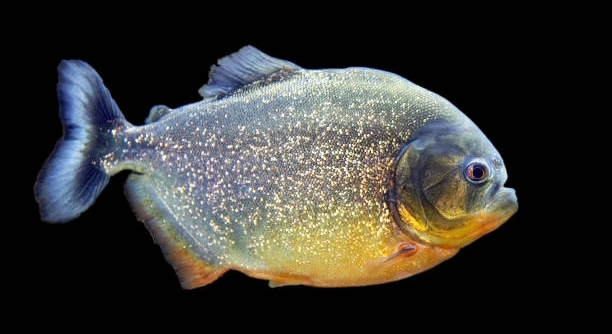
Piranhas are well-known for their sharp teeth and aggressive feeding habits. Many people keep them in aquariums and feed them regularly. Observing their eating behavior raises questions about their interest in food variety and whether they get tired of eating the same thing.
Piranhas, like many fish, have limited cognitive abilities related to food preference and boredom. Their feeding behavior is largely driven by instinct and survival needs rather than a desire for variety. Consequently, they do not experience boredom with the same food in the way mammals might.
Understanding piranhas’ feeding habits can improve their care and feeding routines. This article explores the science behind their dietary preferences and behavior in captivity.
Why Piranhas Don’t Get Bored Easily
Piranhas have a simple approach to eating. Their main goal is to get enough food to survive. Unlike animals that rely on taste or variety, piranhas respond mostly to movement and smell. In the wild, they eat whatever prey is available, which changes naturally. In captivity, the same food is often given, but piranhas remain interested because their feeding triggers are basic instincts. Their brains are not wired for complex emotions like boredom linked to food. Instead, they focus on hunger signals. This means that repeating the same diet does not affect their feeding behavior much. It is important, however, to ensure the food is nutritious to keep them healthy. Variety can help with nutrition but is not necessary to keep piranhas motivated to eat. Their natural feeding style makes them less prone to food boredom compared to mammals or birds.
Offering variety can still support a balanced diet and overall well-being. Nutritional value matters more than novelty.
Feeding piranhas the same diet regularly is fine if the food meets their dietary needs. Watching their reaction during feeding can help identify if the food is acceptable, but boredom is rarely the cause of refusal. Their behavior is mostly driven by instinct, not preference for different flavors or textures.
Feeding Tips for Piranhas in Captivity
Consistency in feeding schedules helps maintain piranhas’ health. A stable routine reduces stress and supports digestion.
Feeding piranhas involves more than just offering food. It requires attention to nutritional content and portion control. They need a protein-rich diet, often based on fish or meat products. Providing fresh or frozen food rather than processed options ensures better nutrient absorption. Small amounts given multiple times a day align more closely with their natural feeding habits. Overfeeding can cause water pollution and health issues, so careful portioning is essential. While some keepers add occasional treats for variety, it is not necessary to prevent boredom. Monitoring water quality and fish behavior after feeding gives insight into their overall condition. Good care practices and proper feeding ensure piranhas stay healthy and active in an aquarium setting. This approach is more effective than changing food types frequently, which can sometimes stress the fish or introduce dietary imbalances.
Signs That Piranhas Are Satisfied with Their Food
Piranhas show clear signs when they accept their food. They quickly approach and bite without hesitation. Their behavior is active during feeding times, showing eagerness rather than reluctance. If they ignore food or seem uninterested, it may be due to health issues or poor water quality, not boredom.
Healthy piranhas react promptly to feeding, often creating a feeding frenzy. They swim energetically toward the food and compete for it. This response indicates their hunger and satisfaction with the type of food offered. A lack of interest might suggest stress or illness rather than dissatisfaction with the food itself.
In some cases, piranhas may take longer to eat if the food is unfamiliar or not fresh. However, they rarely refuse food due to repetition. Their feeding behavior remains consistent as long as the food is suitable. Observing their activity during feeding can help identify potential problems early, such as water quality or health concerns.
Balancing Nutrition and Variety for Piranhas
A balanced diet for piranhas focuses on essential nutrients rather than constant variety. Protein is the main component, often sourced from fish, insects, or shrimp. Including occasional supplements can improve their overall health and immune function.
While variety can be introduced, it is not critical for preventing boredom. Feeding consistent, high-quality food ensures they receive adequate nutrients. Changes in diet should be gradual to avoid digestive upset. Adding small amounts of fresh or frozen foods provides natural nutrients and prevents monotony, but the main diet remains stable.
Introducing variety should never compromise nutrition or water cleanliness. It is better to prioritize quality over frequent changes in food type. Good care involves monitoring their health and adjusting feeding habits accordingly. Proper nutrition combined with a clean environment supports piranhas’ longevity and vitality in captivity.
Common Foods for Piranhas
Piranhas thrive on a diet rich in protein. Common foods include small fish, shrimp, and insects. These mimic their natural diet and provide essential nutrients. Frozen or live food is usually preferred over processed options.
Feeding should avoid fatty or overly processed items. Freshness matters more than variety. Keeping a consistent diet helps maintain their health and reduces stress.
Risks of Overfeeding Piranhas
Overfeeding can lead to poor water quality and health problems such as obesity or digestive issues. Uneaten food decomposes quickly, polluting the tank and increasing ammonia levels. This creates a harmful environment that stresses fish and encourages disease. Controlled feeding amounts prevent these issues.
Feeding Frequency Recommendations
Piranhas do best with small meals twice a day. This schedule supports their metabolism without overloading their digestive system. Overfeeding or infrequent large meals can cause health problems. Regular feeding times help maintain routine and reduce stress in captivity.
Conclusion
Maintaining proper feeding habits is key to piranha health. Balanced nutrition and careful feeding practices ensure a healthy, active fish.
FAQ
Can piranhas eat the same food every day?
Yes, piranhas can eat the same food daily as long as it meets their nutritional needs. They rely on instinct rather than taste preference, so repetition does not usually cause boredom. However, it is important to provide fresh, protein-rich food to maintain their health and energy.
What types of food are best for piranhas?
Protein sources like small fish, shrimp, insects, and occasionally bloodworms are ideal for piranhas. Fresh or frozen food is preferred over processed pellets. These options closely mimic their natural diet and supply necessary nutrients. Avoid fatty or heavily processed foods to reduce health risks.
How often should I feed my piranhas?
Feeding twice a day with small portions is recommended. This schedule supports digestion and prevents overfeeding. Giving large meals infrequently or too much food at once can cause water pollution and health problems such as obesity or digestive upset.
Why do piranhas sometimes refuse food?
Piranhas may refuse food due to poor water quality, illness, stress, or an unsuitable diet. Boredom is rarely the reason. Monitoring water parameters and fish behavior helps identify if health or environment issues are causing feeding refusal.
Can I feed piranhas live food?
Yes, live food is often appreciated because it stimulates natural hunting behavior. Small feeder fish, insects, or shrimp are good options. Always ensure live food is disease-free to avoid introducing infections into the tank.
Is it necessary to vary piranhas’ diet?
While variety is not essential to prevent boredom, adding occasional different foods can improve nutrition. Gradual introduction of new foods helps avoid digestive issues. The main diet should remain stable, focusing on quality protein sources.
What happens if I overfeed my piranhas?
Overfeeding leads to leftover food in the tank, which decomposes and pollutes the water. This can increase ammonia and nitrate levels, stressing the fish and encouraging disease. It can also cause obesity and organ damage in piranhas.
How do I know if my piranhas are healthy?
Healthy piranhas are active, alert, and eager during feeding. Their fins should be intact and free of damage. They swim steadily without signs of distress like gasping or erratic movements. Regular water testing and proper feeding contribute to their well-being.
Can piranhas eat plant-based food?
Piranhas are primarily carnivorous and require a protein-rich diet. Plant-based foods do not provide enough nutrition for them. Including vegetables or plant matter is generally unnecessary and may not be digested properly.
What is the best way to introduce new food to piranhas?
Introduce new foods slowly by mixing small amounts with their regular diet. Observe how they respond before increasing portions. Sudden changes can upset their digestion, so gradual adjustment helps them adapt without stress.
Do piranhas get bored like mammals or birds?
Piranhas do not experience boredom related to food in the same way mammals or birds might. Their feeding behavior is instinct-driven, focused on hunger rather than flavor or variety. Environmental enrichment is more relevant to reducing stress than changing food types.
How can I improve piranhas’ feeding environment?
Maintaining clean water and a stable tank environment is key. Providing hiding spots and ensuring proper tank size reduces stress. Feeding at consistent times also supports their natural rhythms and encourages healthy behavior.
Are frozen foods safe for piranhas?
Frozen foods such as shrimp or small fish are safe and commonly used. They retain nutrients well and reduce the risk of introducing parasites compared to live food. Always thaw properly and avoid feeding spoiled or freezer-burned items.
Can piranhas eat commercially prepared pellets?
Some pellets formulated for carnivorous fish can be fed occasionally but should not replace fresh or frozen protein sources. Pellets may lack certain nutrients and can increase waste, so they are best used as supplements rather than staples.
How do I prevent food aggression in piranhas?
Feeding small portions multiple times a day helps reduce competition. Providing enough space and hiding spots also lowers aggression. Avoid overstocking the tank to minimize stress and fighting during feeding.
Is it safe to feed piranhas human food scraps?
Feeding human food scraps is not recommended. Many foods contain additives or ingredients harmful to piranhas. Stick to appropriate fish food options to ensure their diet is safe and nutritious.
What signs show piranhas are bored or stressed?
Boredom is uncommon in feeding, but stress signs include hiding excessively, loss of appetite, or unusual swimming patterns. These are more often related to water quality or tank conditions than diet variety.
Can young piranhas eat the same food as adults?
Juvenile piranhas require smaller, more frequent meals with easily digestible protein. While the food type can be similar, portion size and feeding frequency should be adjusted to their growth needs.
How long can piranhas go without food?
Piranhas can survive several days without food, but regular feeding is essential for health. Fasting for short periods may be okay, but prolonged food deprivation causes stress and weakness.
What should I do if my piranhas stop eating?
Check water quality and tank conditions first. Look for signs of illness or injury. If everything is normal, try offering different protein foods or live prey. If refusal continues, consult a veterinarian specialized in fish care.
Final Thoughts
Understanding piranhas’ feeding behavior helps keep them healthy and comfortable in captivity. These fish rely on instinct rather than taste preferences, so they do not get bored of the same food the way mammals or birds might. Providing a consistent diet of high-quality protein is more important than offering constant variety. This approach ensures that their nutritional needs are met and their digestive systems remain stable. Fresh or frozen small fish, shrimp, and insects are ideal choices for most piranhas in home aquariums. Avoid processed or fatty foods that may cause health issues.
Maintaining proper feeding habits is crucial to avoid common problems like overfeeding and poor water quality. Feeding piranhas small portions twice daily helps prevent leftover food from polluting the tank. Overfeeding can lead to higher ammonia and nitrate levels, which stress the fish and increase the risk of disease. It can also cause obesity and digestive troubles in piranhas. A regular feeding schedule promotes routine and reduces stress, which benefits their overall health. It is equally important to keep the tank clean and provide a stable environment with adequate space and hiding spots.
While variety in food is not essential to prevent boredom, occasional additions of different protein sources can improve nutrition without upsetting digestion. Introducing new foods slowly and observing the fish’s response helps avoid sudden digestive problems. Live food can stimulate natural hunting behavior but must be disease-free. Frozen options are often safer and easier to manage. Ultimately, understanding the basic dietary needs of piranhas and following proper feeding practices will support their well-being. Careful attention to diet and environment creates the best conditions for these fish to thrive in captivity.

Hello,
If you enjoy the content that we create, please consider saying a "Thank You!" by leaving a tip.
Every little bit helps us continue crafting quality advice that supports the health, happiness, and well-being of pets around the world, for pets of all shapes, sizes, and species.
We really appreciate the kindness and support that you show us!