
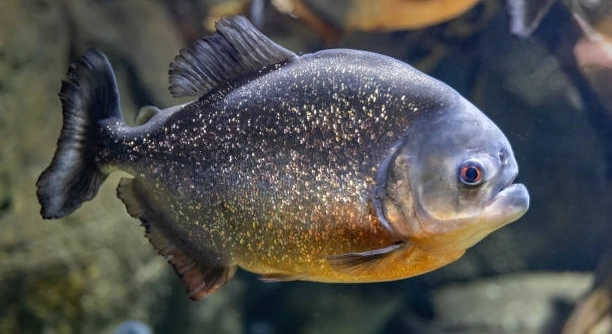
Have you ever cared for a piranha and wanted to keep track of its growth in a safe way? Monitoring their size helps ensure they remain healthy and thrive in their environment. Understanding growth patterns is key for any fish owner.
Tracking a piranha’s growth safely involves regular measurement using gentle handling techniques and proper tools. Consistent monitoring helps detect health issues early while minimizing stress to the fish. Maintaining a stable environment supports accurate growth assessment over time.
Learning how to observe your piranha’s growth without causing harm will improve its well-being. This guide offers practical steps to keep your fish safe and healthy while you track its development carefully.
Preparing Your Tools for Safe Growth Tracking
Before you start measuring your piranha, it’s important to gather the right tools. A soft measuring tape or ruler works well, as long as it has clear markings. Using a small, shallow container filled with water can help keep the fish calm during measurement. Always wash your hands before handling the fish to avoid transferring harmful substances. Wearing gloves is also a good idea to protect both you and the piranha. Handling your fish gently and calmly reduces stress, which can affect its growth and health. Having everything ready beforehand makes the process smoother and safer for your piranha.
Measuring in water helps reduce the fish’s struggle and keeps it comfortable. Quick measurements minimize stress and lower the risk of injury.
Taking time to prepare your tools properly shows care and respect for your fish. It makes the growth tracking process easier and safer every time you check its size.
Handling Your Piranha with Care
Using calm, slow movements when handling your piranha helps keep it relaxed. Avoid grabbing the fish tightly or squeezing it. Instead, use both hands to gently scoop it up or guide it into the measuring container. Keeping the fish in water during measurement is important to prevent harm to its delicate skin and fins. If the piranha shows signs of distress, pause and give it time to settle before continuing. Always measure your fish in a quiet environment to avoid startling it. Proper handling not only protects your piranha but also makes it easier to get accurate measurements without causing stress. By handling your fish carefully, you help ensure its well-being and long-term health.
Choosing the Right Environment for Growth Monitoring
A stable, clean tank is essential for accurately tracking your piranha’s growth. Changes in water quality can stress the fish and affect its development. Keep the temperature, pH, and cleanliness consistent to support healthy growth.
Maintaining proper water conditions is key to your piranha’s well-being. Regularly test the water to ensure the temperature stays between 75 and 82°F, and pH levels remain around 6.5 to 7.5. Frequent water changes prevent harmful buildup of waste, which can stunt growth or cause illness. A well-maintained tank reduces stress and encourages natural feeding habits, making growth easier to observe. When the environment is balanced, your fish will grow steadily and healthily.
Feeding plays a major role in growth, so providing a balanced diet with protein-rich foods helps your piranha develop properly. Avoid overfeeding, as leftover food can pollute the water and cause health issues.
Recording and Tracking Growth Data
Keep a simple log to note your piranha’s length and weight regularly. Consistent tracking helps identify any unusual changes or health concerns.
Using a chart or notebook makes it easy to compare measurements over time. Record the date, size, and any observations about behavior or tank conditions. Digital tools like apps or spreadsheets work well for organizing this data. Regular entries give a clear picture of your piranha’s growth patterns and help spot problems early. Tracking growth consistently supports better care decisions and ensures your fish remains healthy. It also creates a useful history if you need to consult a vet or experienced aquarist for advice.
Minimizing Stress During Measurements
Reducing stress is vital when handling your piranha. Stress can slow growth and weaken the immune system, making the fish more vulnerable to illness.
Keep measurement sessions brief and gentle. Use a quiet room to avoid startling your fish, and always return it to its tank quickly after measuring.
Using Technology to Help Monitor Growth
Technology can make tracking your piranha’s growth easier and more precise. Digital scales designed for fish and waterproof measuring tools provide accurate results without much hassle. Apps or simple spreadsheets help organize data, track trends, and remind you when it’s time to measure again. Using photos alongside measurements offers visual proof of growth changes. Technology reduces errors from manual records and allows you to spot small differences early. This helps maintain better care and improves the overall health of your piranha.
Avoiding Common Mistakes
FAQ
How often should I measure my piranha’s growth?
Measuring your piranha once every two to four weeks is usually enough. This schedule allows you to see meaningful growth changes without stressing the fish too often. Frequent measurements can cause unnecessary stress, while waiting too long might mean missing signs of health problems.
What is the best way to measure my piranha without harming it?
The safest way is to gently scoop your piranha into a small, water-filled container. Use a soft ruler or measuring tape to record its length while it stays submerged. Avoid handling the fish with dry hands or squeezing it. Always work calmly and quickly to keep stress low.
Can I weigh my piranha? How?
Yes, weighing is possible but should be done carefully. Use a small, waterproof container and a digital scale. First, weigh the container filled with water, then weigh it again with your piranha inside. Subtract the container’s weight to find the fish’s weight. Make sure the fish stays in water during this process.
What signs show that my piranha is stressed during measurement?
Signs include frantic swimming, rapid gill movement, color fading, or trying to escape. If you notice these, stop measuring and return your piranha to its tank immediately. Let it rest and calm down before attempting another measurement.
How do water quality and tank conditions affect growth tracking?
Poor water quality can stress your piranha and slow its growth. Consistent temperature, pH levels, and clean water are necessary to support healthy development. Without stable tank conditions, growth patterns may become irregular, making tracking less reliable.
Is it normal for growth to slow down sometimes?
Yes, growth can slow during colder months or if the piranha is adjusting to a new environment. Changes in diet or stress also impact growth rates. Tracking regularly helps you tell if these slowdowns are temporary or signs of a bigger issue.
What foods help promote healthy growth?
Protein-rich foods like fish fillets, shrimp, and specially formulated pellets support strong growth. Feeding a varied diet ensures your piranha gets all necessary nutrients. Avoid overfeeding, as leftover food can harm water quality and health.
How can I tell if my piranha’s growth is abnormal?
If your fish stops growing for several weeks, loses weight, or shows physical changes like swelling or spots, these could be signs of illness. Keep detailed growth records to spot unusual patterns and consult a vet if you notice worrying changes.
Can handling and measuring cause long-term harm?
If done carefully and infrequently, handling should not cause lasting damage. However, rough handling, excessive measuring, or stressful environments can weaken your fish’s health over time. Always prioritize gentle techniques and limit measurements to necessary times.
What should I do if I find my piranha’s growth is stunted?
Check water quality, diet, and tank size first, as these factors often affect growth. If everything seems correct but growth remains slow, seek advice from an aquatic vet or specialist. Early intervention can prevent serious health problems.
Tracking the growth of your piranha is an important part of keeping it healthy. Regular monitoring helps you notice changes early and make sure your fish is developing well. Using gentle handling and the right tools makes the process safe for your piranha. It’s important to prepare properly and keep the environment stable, so your fish stays calm and stress-free during measurement. Keeping records of growth over time helps you see clear patterns and respond quickly if anything seems wrong.
Maintaining good water quality, feeding a balanced diet, and providing enough space are key factors in your piranha’s healthy growth. Any changes in these areas can affect how your fish grows. When you track your piranha’s size regularly, you can also spot problems like illness or poor nutrition earlier than you might otherwise. This lets you take action faster to protect your fish’s well-being. Remember, it’s not just about the numbers—watching your piranha’s behavior and physical condition also gives you important clues about its health.
Taking care of a piranha takes patience and attention, but tracking its growth safely is a simple way to stay involved. Being gentle and consistent with your measurements reduces stress and supports long-term health. Over time, you will get better at noticing small changes that matter. This helps build confidence in your care skills and strengthens the bond between you and your fish. Following these steps creates a safer, healthier environment for your piranha to thrive.

Hello,
If you enjoy the content that we create, please consider saying a "Thank You!" by leaving a tip.
Every little bit helps us continue crafting quality advice that supports the health, happiness, and well-being of pets around the world, for pets of all shapes, sizes, and species.
We really appreciate the kindness and support that you show us!