
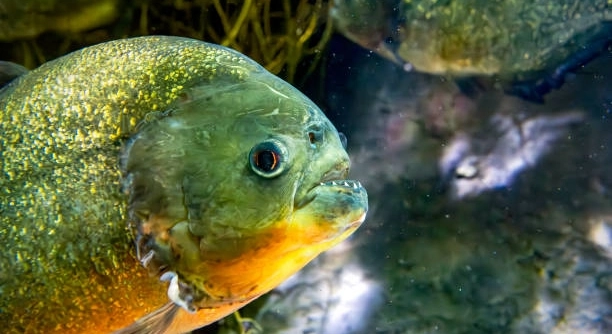
Keeping piranhas calm in a home aquarium can be challenging for many hobbyists. Their natural behavior may cause stress and aggression, which affects both the fish and the overall tank environment. Proper tank setup is essential to reduce these issues.
Maintaining calm piranhas involves careful control of tank conditions, including water quality, hiding spots, tank size, lighting, and social structure. These factors create a stable environment that reduces stress and aggressive behavior in piranhas.
These simple tank setup tricks improve your piranhas’ well-being and help create a peaceful aquatic space for your fish to thrive.
Choosing the Right Tank Size
A proper tank size is vital for keeping piranhas calm. Piranhas need plenty of space to swim freely and avoid constant confrontation. A small tank increases territorial disputes and stress. For a group of piranhas, a minimum of 75 gallons is recommended. Larger tanks reduce aggression by giving each fish more room to establish personal space. Additionally, a bigger tank helps maintain stable water conditions, which is crucial for their health. Overcrowding leads to poor water quality and can heighten stress levels. Providing sufficient space is one of the easiest ways to create a calm environment for your piranhas.
Larger tanks also make it easier to add hiding places and plants, which contribute to a more natural habitat. This setup encourages natural behavior and lowers stress.
When planning your tank size, consider the adult size of the piranhas and how many you intend to keep. Planning ahead prevents the need for frequent tank upgrades and keeps your fish comfortable.
Water Quality Management
Maintaining excellent water quality is essential to reduce piranha stress. Poor water conditions cause discomfort and aggressive behavior.
Regular water changes help remove toxins like ammonia and nitrates that build up over time. Use a reliable filtration system to keep water clear and oxygenated. Test water parameters frequently, including pH, temperature, and hardness, to ensure they remain stable within ideal ranges. Piranhas thrive in slightly acidic to neutral pH and temperatures between 74-82°F. Avoid sudden fluctuations, which increase stress and risk illness. Proper water quality management supports immune function and overall calmness in piranhas.
Consistency is key in maintaining water conditions. Create a routine for testing and cleaning, and stick to it. This discipline protects your fish from common health issues and behavioral problems caused by poor water quality. Remember that water quality impacts every aspect of your tank’s environment, so prioritize this task as part of your regular maintenance. Clean water is the foundation for a healthy, calm aquarium.
Providing Adequate Hiding Spots
Hiding spots help reduce aggression by giving piranhas places to retreat. Without enough cover, stress levels rise, and fights become more frequent.
Including driftwood, rocks, and dense plants creates a natural environment where piranhas feel secure. These elements break sight lines, limiting constant visual contact between fish, which lowers territorial behavior. Artificial caves or PVC pipes also work well as shelters. Position hiding places throughout the tank to give every fish access to a retreat. This setup encourages natural behavior, allowing piranhas to rest and avoid confrontations.
Hiding spots also support the fish’s well-being by mimicking their natural habitat. These secure areas reduce stress and create a more peaceful tank atmosphere, which benefits all tank inhabitants.
Controlling Lighting and Noise Levels
Bright, constant lighting can stress piranhas and trigger aggression. Moderate lighting that mimics natural conditions helps keep them calm. Use dimmable lights or provide shaded areas to reduce intensity.
Noise from sudden vibrations or loud sounds disturbs piranhas, increasing their stress. Position the tank in a quiet room away from heavy foot traffic or loud appliances. Reducing noise helps maintain a stable, peaceful environment, improving fish behavior and health. Adjusting light cycles and minimizing disturbances creates a calmer atmosphere that supports piranhas’ natural rhythms and reduces tension in the tank.
Feeding Schedule Consistency
A consistent feeding schedule prevents hunger-driven aggression. Piranhas become less territorial when their nutritional needs are reliably met.
Feed small amounts multiple times a day rather than one large feeding. This reduces competition and keeps the fish calm throughout the day.
Group Size Management
Keeping piranhas in groups of at least five helps disperse aggression. Small groups often result in increased fighting over territory and food.
Larger groups encourage natural schooling behavior, which lowers stress and creates balance within the tank.
Regular Tank Maintenance
Frequent cleaning and water changes maintain a healthy environment. This prevents waste buildup that stresses the fish.
A clean tank supports stable water parameters and reduces illness risks. Regular maintenance is crucial for keeping piranhas calm and healthy.
FAQ
How often should I feed my piranhas?
Feeding your piranhas two to three times daily with small portions works best. Overfeeding can pollute the tank and increase aggression, while underfeeding may cause stress and fights. Feeding smaller amounts more frequently ensures they get enough nutrition without overwhelming the tank’s ecosystem.
What is the ideal tank temperature for piranhas?
Piranhas thrive in water temperatures between 74°F and 82°F. Maintaining a stable temperature within this range supports their metabolism and reduces stress. Sudden temperature changes should be avoided, as they can weaken the fish and increase aggressive behavior.
Can piranhas live alone?
Piranhas are social fish and usually do better in groups. Keeping at least five helps distribute aggression and encourages natural schooling behavior. A single piranha may become stressed or overly aggressive when isolated, which affects its health.
What kind of filtration system should I use?
A powerful filter that handles large volumes of water is necessary for piranha tanks. They produce a considerable amount of waste, so a strong biological and mechanical filtration system maintains clean water and stable conditions. Filters with adjustable flow are useful to prevent strong currents that stress the fish.
How can I tell if my piranhas are stressed?
Signs of stress include erratic swimming, hiding more than usual, loss of appetite, or increased aggression. Cloudy or damaged fins can also indicate stress. Monitoring behavior closely helps catch issues early and adjust tank conditions as needed.
Is it necessary to decorate the tank?
Yes, providing decorations such as driftwood, rocks, and plants creates hiding places and breaks line of sight. This reduces territorial disputes and mimics their natural habitat. Decorated tanks promote calmer fish and encourage natural behavior.
What water parameters should I monitor?
Keep an eye on pH (6.5 to 7.5), temperature (74-82°F), ammonia, nitrite, and nitrate levels. Regular testing helps catch problems early before they affect fish health. Maintaining stable water quality is essential for keeping piranhas calm.
Can I keep other fish with piranhas?
It is generally not recommended to keep other fish with piranhas. Piranhas are carnivorous and territorial, which makes tank mates vulnerable. If other species are added, choose large, robust fish and monitor interactions closely, but risks remain high.
How often should I clean the tank?
Weekly partial water changes of 20-30% help maintain water quality without shocking the fish. Clean filters monthly but avoid removing all beneficial bacteria. Regular tank cleaning reduces toxins and supports a healthy environment.
What should I do if aggression becomes a problem?
If aggression increases, review tank size, hiding spots, and group size. Adding more space or cover often reduces fights. Check water quality to rule out environmental stress. In extreme cases, separating the most aggressive individuals may be necessary. Consistent maintenance helps prevent issues.
Final Thoughts
Keeping piranhas calm requires attention to several important factors. Providing a spacious tank with enough room for all fish is the foundation for reducing stress and aggression. When piranhas have enough space, they are less likely to feel threatened by their neighbors. This helps prevent constant fighting and promotes a more peaceful tank environment. Along with tank size, including plenty of hiding spots allows piranhas to retreat when needed. These shelters break up sight lines and give the fish places to rest, which is vital for their well-being.
Water quality and consistency play a crucial role in maintaining calm piranhas. Regular water changes, proper filtration, and stable temperature all contribute to a healthy tank environment. Poor water conditions often lead to stress and aggression, so it is important to monitor water parameters closely. Feeding routines should be steady and balanced to avoid hunger-driven behavior. By meeting the nutritional needs of the fish through small, frequent feedings, aggressive competition over food can be minimized.
Finally, controlling external factors like lighting and noise helps keep piranhas comfortable. Bright or constant lighting and sudden loud noises can increase stress, so using dimmable lights and placing the tank in a quiet area can make a difference. Managing group size is also essential, as keeping piranhas in small groups encourages natural schooling behavior and reduces territorial disputes. Combining these simple but effective tank setup tricks ensures a calm and healthy environment for piranhas to thrive. Attention to detail and consistent care are key to success in keeping these unique fish peaceful.

Hello,
If you enjoy the content that we create, please consider saying a "Thank You!" by leaving a tip.
Every little bit helps us continue crafting quality advice that supports the health, happiness, and well-being of pets around the world, for pets of all shapes, sizes, and species.
We really appreciate the kindness and support that you show us!