
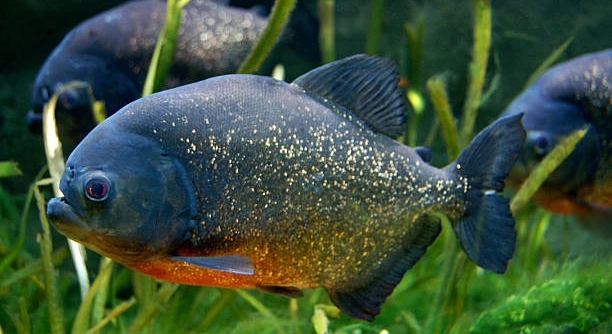
Piranhas are known for their sharp teeth and fast movements in the water. Many aquarium owners keep them fascinated by their behavior. Understanding how piranhas act in their environment is important for maintaining a healthy tank.
Piranhas can become territorial, especially when space is limited or during breeding periods. They often show aggressive behaviors to protect their area from intruders, which can lead to stress or injury in crowded tanks. Proper tank management helps reduce these conflicts.
Recognizing territorial signs early helps maintain peace in your aquarium. This article explains common behaviors and practical ways to manage piranha territoriality effectively.
Understanding Piranha Territorial Behavior
Piranhas often become territorial when their living space is too small or when they feel threatened. This behavior is more common in confined tanks where hiding spots are limited. They mark their territory by chasing or biting other fish that come too close. During breeding seasons, piranhas become even more protective of their space. This aggressive behavior is a natural instinct meant to safeguard their food sources and potential mates. In the wild, piranhas have large areas to swim freely, but in captivity, limited space increases territorial disputes. These conflicts can lead to injury or stress, which affects their overall health. Adding enough hiding places and keeping the tank clean can help minimize aggression. Keeping the piranha population at a manageable level is also important to reduce territorial behavior. Regular monitoring and tank maintenance ensure a balanced environment where piranhas can coexist with less conflict.
Territorial behavior varies among species, but all piranhas show some level of aggression when defending their area.
Controlling tank size and providing adequate shelter helps reduce stress and territorial fights. Maintaining stable water conditions and limiting overcrowding are essential. Observing the fish regularly can prevent serious injuries caused by aggression. Introducing new fish carefully also minimizes territorial disputes. By understanding their needs, owners can create a peaceful habitat that respects the piranhas’ natural behavior and promotes healthier fish. Simple changes in the tank setup often lead to a calmer environment.
Signs of Territoriality in Piranhas
Aggressive chasing and biting are clear signs of territorial behavior.
Piranhas may show other signs like flaring fins, sudden darting movements, and hiding from certain tankmates. These behaviors indicate discomfort or stress caused by overcrowding or a lack of hiding spots. Territorial disputes usually escalate during feeding times or when new fish enter the tank. Over time, injured or stressed piranhas may lose appetite and become vulnerable to disease. It is important to watch for these warning signs and respond quickly to prevent harm. Adjusting tank conditions or separating aggressive individuals can improve the situation. These steps help maintain a peaceful aquarium where piranhas can thrive.
How to Reduce Territorial Behavior
Providing enough space is crucial to reduce piranha aggression. Crowded tanks increase stress and fighting.
Larger tanks with plenty of hiding spots help distribute the fish and reduce territorial disputes. Decorations like rocks, plants, and driftwood create visual barriers that lower aggression. Feeding multiple spots at once also prevents competition over food. It is important to maintain clean water and stable conditions, as poor water quality can increase stress and worsen aggressive behavior. Regularly observing your fish allows early detection of conflicts and timely action. Adjusting tank setup based on behavior improves the overall environment for all fish.
Separating overly aggressive individuals or adding more fish can sometimes balance the tank dynamics. However, adding too many fish risks overcrowding, which increases territorial behavior instead of reducing it.
Managing Aggressive Piranhas
Use tank dividers or separate tanks to isolate aggressive piranhas safely.
Careful introduction of new fish reduces sudden territorial disputes. Introducing new piranhas slowly and in groups can reduce aggression by dispersing attention. Regular tank maintenance, including water changes and monitoring parameters, keeps fish healthier and less stressed. Providing a well-balanced diet helps keep piranhas calm, as hunger often increases fighting. If aggression persists, consider consulting a specialist for advice on tank size or social structure adjustments. Managing aggression requires ongoing attention and adjustments to create a peaceful habitat.
Common Mistakes That Increase Territoriality
Overcrowding the tank is a frequent mistake that raises aggression among piranhas. Small tanks limit their swimming space and cause stress.
Lack of hiding spots also triggers territorial behavior. Without places to retreat, piranhas feel threatened and act aggressively to protect their area.
Selecting Tankmates for Piranhas
Choosing compatible tankmates reduces aggression and stress. Avoid smaller, slower fish that may become targets. Larger, robust fish with similar temperaments are better suited. Introducing tankmates gradually helps piranhas adjust and lowers the risk of territorial disputes. Monitoring interactions closely is important to ensure a peaceful environment for all fish.
Feeding Tips to Prevent Conflict
Feeding piranhas in multiple spots helps prevent competition. Offering varied and frequent meals reduces aggression tied to hunger.
FAQ
Can piranhas live peacefully together?
Piranhas can live together peacefully if their environment is well managed. A large tank with plenty of hiding spaces and stable water conditions reduces aggression. Overcrowding causes stress and territorial disputes, so keeping the right number of fish is essential. Feeding them properly and regularly also lowers fighting. However, some level of aggression is natural, especially during breeding or feeding times.
What size tank is best for piranhas?
A tank of at least 75 gallons is recommended for a small group of piranhas. Larger tanks allow them enough space to establish their own areas and reduce conflicts. The tank should have enough room for swimming and several hiding spots. Smaller tanks tend to increase aggression and territorial behavior.
How many piranhas can be kept in one tank?
Keeping about 4 to 6 piranhas in a 75-gallon tank works well to balance social interactions. More than this can lead to overcrowding and increased aggression. The exact number depends on the tank size and setup, but avoiding overcrowding is key.
How do you know if a piranha is stressed?
Signs of stress include hiding excessively, loss of appetite, faded colors, and frequent aggressive behavior. Stress weakens their immune system and makes them more vulnerable to disease. Keeping water quality high and reducing territorial disputes helps keep piranhas calm and healthy.
Can piranhas harm each other?
Yes, piranhas can bite or injure each other when fighting over territory or food. Serious injuries occur if the tank is overcrowded or lacks hiding places. Promptly separating injured fish and adjusting the environment helps prevent further harm.
What is the best way to introduce new piranhas?
Introduce new piranhas slowly by quarantining them first. Add several fish at once if possible, so no single new fish becomes the sole target. Rearranging tank decorations before introduction helps reduce established territory claims. Monitor closely for aggressive behavior and be ready to separate fish if needed.
How important are hiding spots for piranhas?
Hiding spots are crucial for reducing stress and aggression. They give fish places to retreat and establish their own territory without constant confrontation. Use rocks, plants, or driftwood to create natural barriers and shelter within the tank.
Does feeding frequency affect aggression?
Feeding piranhas multiple times a day at different locations reduces competition and aggressive behavior. Hungry piranhas are more likely to fight. A varied diet including meat-based foods also keeps them satisfied and less stressed.
Can piranhas be kept with other fish species?
Piranhas may attack smaller or slower fish. It’s safer to keep them with similar-sized, robust species that can handle their temperament. Avoid peaceful or slow-moving fish that may be seen as prey or threats.
What water conditions are ideal for piranhas?
Piranhas prefer water temperatures between 74°F and 82°F, with a pH level around 6.5 to 7.5. Clean, well-filtered water with stable parameters reduces stress and supports health. Regular water changes help maintain these conditions.
How to handle a piranha attack in the tank?
If aggression escalates to serious attacks, isolate aggressive individuals immediately. Check for stress factors like overcrowding, poor water quality, or lack of hiding places. Adjust tank setup and monitor fish carefully to prevent repeat incidents.
Is territorial behavior more common during breeding?
Yes, piranhas become more territorial when breeding. Males especially guard nests aggressively. Extra care is needed during this period to avoid injuries and stress to other tankmates.
Can rearranging tank decorations reduce aggression?
Rearranging decorations can break established territories, reducing fights. It confuses fish and forces them to find new spaces, which can lower aggression levels. Regular changes in tank layout may help maintain peace.
Are there signs that a piranha is ready to breed?
Piranhas show increased aggression and activity before breeding. Males may build nests or clear areas for eggs. These behaviors often lead to stronger territorial disputes during the breeding period.
How often should water be changed in a piranha tank?
Change 20-30% of the water weekly to maintain good water quality. Dirty or stagnant water stresses fish and increases aggression. Regular cleaning supports a healthy environment and calmer fish.
Final thoughts on managing piranha territorial behavior focus on the importance of providing a proper environment. Piranhas naturally show some level of aggression and territoriality, but many problems arise when their space or needs are not met. Ensuring the tank is large enough, clean, and has plenty of hiding spots can reduce tension among fish. Crowded conditions or poor water quality increase stress, which often leads to fighting. Taking these steps creates a healthier, more balanced tank where piranhas can coexist more peacefully.
Careful attention to feeding is another key factor in controlling aggression. Hungry piranhas tend to compete aggressively over food, which can escalate territorial disputes. Feeding small amounts several times a day at different locations helps minimize competition. A varied diet that meets their nutritional needs also keeps them calmer. Observing their behavior during feeding times helps spot early signs of aggression, allowing changes before injuries occur. Combining proper feeding with good tank conditions supports the overall well-being of the fish.
Monitoring the social dynamics of piranhas is important to maintain harmony. Some individual fish may be more aggressive and need to be separated to protect others. Introducing new fish slowly and rearranging tank decorations periodically can disrupt established territories and reduce conflict. Managing breeding periods with extra care is necessary, as territorial behavior often intensifies then. A balanced approach to tank size, feeding, and social grouping will help maintain a stable environment for piranhas. Taking the time to understand their behavior and needs will result in a healthier tank and a better experience keeping these fish.

Hello,
If you enjoy the content that we create, please consider saying a "Thank You!" by leaving a tip.
Every little bit helps us continue crafting quality advice that supports the health, happiness, and well-being of pets around the world, for pets of all shapes, sizes, and species.
We really appreciate the kindness and support that you show us!