
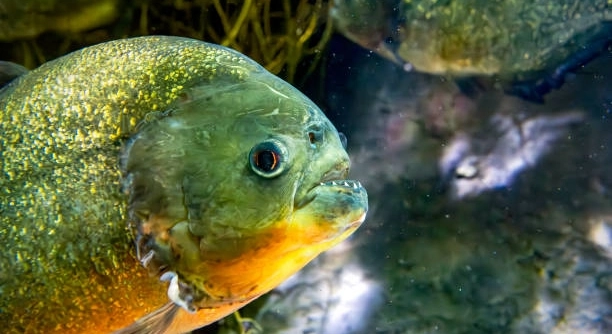
Lighting plays an important role in the well-being of piranhas kept in aquariums. Improper lighting can cause stress and anxiety in these fish, affecting their health and behavior. Understanding common lighting mistakes helps create a better environment for them.
Piranhas are sensitive to bright, flickering, or inconsistent lighting, which can disrupt their natural rhythms and cause anxiety. Incorrect placement of lights or using lights that are too strong often leads to stress and agitation among these fish.
Knowing how lighting impacts piranhas is essential for maintaining their calm and healthy state. This article highlights key mistakes and practical tips to improve your aquarium lighting setup.
Using Lights That Are Too Bright
Too much light can make piranhas uncomfortable and anxious. Bright lights disturb their natural behavior and make them hide more often. Piranhas usually live in shaded waters with dappled light, so strong aquarium lights don’t feel natural to them. When the lighting is too intense, their stress levels rise, which can cause health problems and aggressive behavior. It’s best to use soft, dim lighting that mimics their natural habitat. This helps them stay calm and behave normally. Avoid placing lights directly over the tank without any diffuser or cover. Lower wattage bulbs or adjustable lights can provide the right balance of brightness without overwhelming the fish. Also, using a timer to keep a regular day-night cycle is helpful because sudden changes in light can startle them. Watching how your piranhas respond to light changes is important to create a comfortable environment.
Bright lights often cause piranhas to hide more and reduce their activity.
Adjusting the lighting to mimic shaded, natural conditions creates a stress-free tank. You’ll notice calmer behavior and healthier fish when the brightness is controlled properly. Using a soft, indirect light and maintaining consistent lighting hours will keep your piranhas feeling secure and less anxious.
Flickering or Inconsistent Lighting
Flickering lights may seem minor but can have a big impact on piranhas’ stress levels. These fish are used to steady lighting in their natural environment, so unstable lighting conditions can confuse and scare them. Flickering often comes from faulty bulbs, poor wiring, or incompatible LED setups. Even subtle flickers are enough to disrupt their sense of safety. This makes them more nervous and can lead to hiding or aggressive outbursts. Consistency is key, so make sure your lighting system is reliable and stable. Checking your lights regularly for any flicker or malfunction helps prevent this problem. Using quality bulbs and secure fixtures reduces flicker risk. Stable lighting also supports piranhas’ natural rhythms and feeding patterns. If you notice your fish acting stressed, inspecting the light source is a simple step to improve their well-being.
Maintaining stable lighting prevents anxiety and supports normal behavior.
Ensuring flicker-free light improves the overall atmosphere of the tank, encouraging piranhas to be active and less fearful. A well-maintained lighting setup helps the fish feel safe, making tank care easier and more rewarding.
Ignoring the Day-Night Cycle
Piranhas rely on a clear day-night cycle to regulate their behavior. Constant lighting or irregular schedules confuse their internal clocks and increase anxiety. Without darkness, their rest is disturbed, causing stress.
Keeping a regular light schedule helps maintain their natural rhythm. Using timers ensures the lights turn on and off at the same time every day. This consistency supports healthy sleep patterns and reduces stress. Sudden changes or leaving lights on all night can make piranhas restless and more aggressive. Providing periods of darkness mimics their natural environment, allowing them to relax. It also helps control algae growth in the tank, improving water quality. When the cycle is respected, piranhas show calmer and more predictable behavior.
A steady day-night pattern is essential to their well-being. It supports normal feeding, resting, and social interactions.
Placing Lights Too Close to the Water Surface
Lights placed too close can heat the water unevenly and create harsh light spots. This stresses piranhas, who prefer cooler, shaded areas. The heat from some bulbs can raise the tank temperature, affecting fish health.
Adjusting the distance between the light source and water surface is important. Use fixtures designed for aquariums and position lights higher above the tank. This allows the light to spread evenly and reduces hot spots. It also prevents sudden temperature shifts that can cause discomfort or illness in your fish. Spreading the light out softly helps recreate their natural habitat’s low light environment. Monitoring water temperature regularly ensures it stays stable despite lighting. Proper light placement protects piranhas from heat stress and maintains a calm tank environment.
Good lighting placement improves fish comfort and supports their natural behaviors. It helps keep both temperature and lighting conditions balanced.
Using Lights With the Wrong Color Temperature
Lights that are too cool or too warm can disturb piranhas. They do best with lighting that mimics natural daylight, which is neither too blue nor too yellow.
Choosing lights with a color temperature around 5000-6500 Kelvin helps create a balanced environment. This range simulates natural sunlight filtered through water, making the tank comfortable for piranhas. Too much blue light can cause stress and make them more nervous, while overly warm light can seem unnatural and harsh. Proper color temperature supports their natural behaviors and reduces anxiety, helping them feel safe and secure.
Overlooking Shadow Areas in the Tank
Piranhas need shaded spots to feel safe. A fully lit tank without shadows can make them anxious and stressed. Shadows give places to hide and relax, which is important for their comfort.
Using Artificial Daylight Without Adjusting for Natural Light
If the aquarium is near windows, natural light adds to the artificial light. Too much combined light can overwhelm the fish and cause anxiety. Adjust artificial lighting based on natural light exposure to keep conditions balanced.
What kind of lighting is best for piranhas?
The best lighting for piranhas is soft and natural, with a color temperature between 5000 and 6500 Kelvin. This mimics daylight filtered through water, providing a comfortable and calming environment. Avoid harsh or overly bright lights. Use dimmable or adjustable fixtures to control brightness. Adding floating plants or decorations can help diffuse the light, creating shaded areas that reduce stress. Maintaining a consistent day-night cycle with a timer is also important for their well-being.
How can I reduce stress caused by lighting in my piranha tank?
To reduce lighting stress, keep the brightness low and stable. Avoid flickering or sudden changes in light intensity. Use timers to simulate natural day and night patterns. Place lights at a reasonable height above the water to avoid overheating and harsh spots. Incorporate shaded hiding places using plants or décor to offer refuge. Check your lighting equipment regularly to ensure it works smoothly without flickers or malfunctions.
Can the wrong lighting affect piranhas’ health?
Yes, improper lighting can negatively impact piranhas’ health. Too much bright or flickering light causes anxiety, leading to increased hiding, aggression, and weakened immune responses. Prolonged stress can make them more vulnerable to illness. On the other hand, lighting that’s too dim or inconsistent disrupts their natural rhythms and feeding behavior. Proper lighting supports normal activity, reduces stress, and helps maintain good health.
Is natural light safe for piranha tanks?
Natural light can be helpful but needs careful management. Direct sunlight can cause temperature spikes and encourage algae growth, which harms water quality. It can also make the tank too bright and stressful. If your aquarium gets natural light, balance it with controlled artificial lighting. Using curtains or blinds to limit sunlight and positioning the tank away from direct sun exposure helps keep conditions stable and comfortable.
How often should aquarium lights be on for piranhas?
Aquarium lights should be on for about 10 to 12 hours daily, following a consistent schedule. This simulates natural daylight and supports their internal biological clock. Using a timer helps maintain regular lighting times, which prevents stress from sudden or irregular light changes. Make sure the tank also has a dark period each day for rest. Keeping a routine helps piranhas stay calm, healthy, and active.
What are signs that lighting is stressing my piranhas?
Signs of lighting stress include excessive hiding, sudden aggression, reduced activity, and loss of appetite. Fish may dart around nervously or stay near shaded areas. Stress can also show through dull colors or erratic swimming. If these behaviors start after changing your lighting setup, the lights may be too bright, flickering, or inconsistent. Adjusting the lighting and providing shaded hiding spots can often reduce these symptoms.
Can I use LED lights for piranha tanks?
LED lights are a good choice if used properly. They offer adjustable brightness and color temperatures, allowing you to create a natural environment. However, some LED setups flicker or produce harsh blue light that stresses fish. Choose high-quality, flicker-free LEDs with a color temperature around 5000-6500K. Avoid placing LEDs too close to the water surface. Using diffusers or floating plants helps soften the light, making it more comfortable for piranhas.
Should I keep lights on at night for piranhas?
No, piranhas need darkness to rest and feel safe. Keeping lights on at night disrupts their sleep cycle, increasing stress and anxiety. It’s best to provide about 12 hours of darkness to allow proper rest. If you need to check the tank at night, use a dim red or blue light briefly, as these colors are less disturbing to fish. Maintaining a dark period supports healthy behavior and reduces stress.
How does lighting affect piranhas’ behavior?
Lighting influences piranhas’ activity levels, feeding, and social interactions. Proper lighting encourages normal swimming and hunting behavior. Too much light or flickering causes hiding, aggression, and nervousness. Inconsistent light cycles confuse their internal clocks, affecting feeding and rest. Balanced, stable lighting creates a calm environment where piranhas feel secure and display natural behaviors.
What adjustments can improve my aquarium lighting for piranhas?
Start by lowering light intensity and avoiding flickers. Use a timer to keep a steady day-night schedule. Choose bulbs with appropriate color temperature (5000-6500K) and position lights higher above the water surface. Add plants or decorations to create shaded areas. Monitor water temperature to avoid heat from lighting. Regularly check all equipment to prevent malfunctions. These changes can reduce anxiety and improve your piranhas’ overall well-being.
Lighting plays a big role in keeping piranhas calm and healthy in an aquarium. When the lighting is too bright, flickers, or does not follow a natural day-night pattern, it can cause anxiety and stress for these fish. Stress can lead to hiding, aggressive behavior, and even health problems. By paying attention to how the lighting affects your piranhas, you can make simple changes that greatly improve their environment. Soft, stable light that mimics their natural habitat helps piranhas feel safe and behave normally.
It is important to use lighting with the right brightness and color temperature. Lights that are too strong or too blue can make piranhas nervous, while very warm or harsh lighting does not look natural to them. Placing lights at a good distance above the water and using timers to keep a regular schedule supports their natural rhythms. Piranhas also need shaded spots to hide and rest. Adding plants or decorations to create shadows helps reduce anxiety. Checking your lighting equipment often prevents flickering and sudden changes that upset the fish.
Overall, simple adjustments to aquarium lighting can make a big difference in how your piranhas live. Regular light schedules, balanced brightness, and proper placement are key. When piranhas feel secure and their environment matches their needs, they stay calmer, healthier, and more active. Taking care with lighting is an easy way to support your fish’s well-being. This thoughtful approach creates a better home for your piranhas and makes caring for them more enjoyable.

Hello,
If you enjoy the content that we create, please consider saying a "Thank You!" by leaving a tip.
Every little bit helps us continue crafting quality advice that supports the health, happiness, and well-being of pets around the world, for pets of all shapes, sizes, and species.
We really appreciate the kindness and support that you show us!