
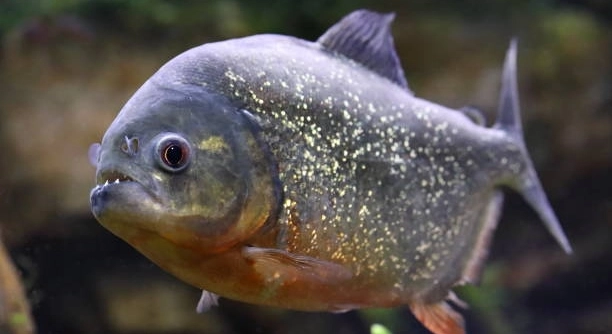
Many people find piranhas fascinating fish with their sharp teeth and strong presence in freshwater tanks. Their unique behaviors and appearance make them popular among aquarium enthusiasts who want something different. Understanding their needs is key to keeping them healthy at home.
Breeding piranhas at home is possible but requires careful attention to water conditions, diet, and tank setup to mimic their natural environment. Proper care and monitoring of their behavior are essential to ensure successful reproduction.
Learning about piranha breeding can help you decide if this challenge fits your aquarium goals and prepare you for what to expect along the way.
Understanding Piranha Behavior
Piranhas are often misunderstood because of their reputation, but they have specific behaviors that are important to recognize. In the wild, they live in schools, which helps protect them from predators. When breeding, they become more territorial and aggressive, especially the males. They also need specific water conditions, like slightly acidic to neutral pH and warm temperatures around 75 to 82°F (24 to 28°C). If these conditions aren’t met, they may not breed or could become stressed. Their diet plays a big role too; feeding them high-protein foods encourages healthy growth and readiness for breeding. Watching for changes in behavior, such as increased aggression or nesting activity, can help you know when they are ready to mate. Keeping their environment clean is crucial since poor water quality can harm both adults and fry.
Maintaining proper water quality, temperature, and feeding habits is vital for successful piranha breeding at home.
Breeding piranhas can be rewarding, but it demands patience and close observation. You’ll need to prepare a breeding tank separate from the main aquarium. Provide hiding places and flat surfaces for eggs. The male usually guards the eggs, so disturbing the tank should be avoided. After the eggs hatch, the fry need tiny live foods, like baby brine shrimp, to grow strong. Watching the fry develop is fascinating, but it requires dedication to maintain clean water and proper feeding routines. You should expect some challenges, such as aggression or egg predation, but with care, successful breeding is achievable.
Setting Up the Right Environment
Piranhas require specific tank setups for breeding success. The tank should be at least 30 gallons to give enough space for movement and territorial behavior. Use soft, sandy substrate with plants or driftwood for hiding spots. Keep the lighting low to mimic their natural habitat.
Temperature control is important. Stable water temperatures between 75 and 82°F encourage breeding. Regular water changes keep the water clean and reduce stress. Using a gentle filter avoids disturbing eggs or fry. Water parameters like pH should stay between 6.5 and 7.5, with low hardness.
The tank should be quiet and undisturbed to reduce stress. Avoid overcrowding because it can cause aggression and reduce breeding chances. Setting the environment carefully helps create the right conditions for healthy piranha offspring.
Feeding and Diet for Breeding Piranhas
Feeding piranhas a high-protein diet is essential to prepare them for breeding. They need a mix of fresh fish, insects, and specially formulated pellets to stay healthy and ready to reproduce.
A well-balanced diet helps piranhas build strength and encourages natural breeding behaviors. Protein-rich foods like small fish, shrimp, and bloodworms provide the nutrients they need. Supplementing their diet with vitamins and minerals supports overall health. Avoid overfeeding, as excess food can pollute the water and stress the fish. Feeding small amounts twice a day keeps their energy levels stable. Consistent nutrition also improves egg quality and fry survival rates.
During breeding, males and females may show different feeding patterns. Males sometimes eat less when guarding eggs, so monitor their intake to ensure they stay strong. Females require extra nutrition to produce healthy eggs. Adjust feeding amounts based on behavior and tank conditions to support the entire breeding process effectively.
Common Challenges in Breeding Piranhas
Breeding piranhas can present problems like aggression and egg loss. Males may attack other fish, making tank management important.
Aggression often increases during breeding, which can lead to injury or stress among tank mates. Piranhas may eat their own eggs if not carefully monitored. Water quality issues can cause eggs or fry to die, so regular maintenance is critical. Sometimes, fry don’t survive due to inadequate feeding or overcrowding. Preventing these problems involves providing enough space, hiding spots, and maintaining a strict cleaning schedule.
Proper planning and observation help reduce risks. Separating breeding pairs or removing eggs to a nursery tank can improve fry survival. Patience and care are necessary to handle the difficulties that come with breeding piranhas successfully.
Signs Your Piranhas Are Ready to Breed
Piranhas ready to breed often become more aggressive and territorial. Males build nests and guard specific areas in the tank.
You may also notice increased chasing and mating displays. Females may appear fuller, indicating they are carrying eggs. These behaviors signal that breeding is about to begin.
Caring for Piranha Fry
Once the eggs hatch, fry need gentle care to thrive. They require clean water, frequent feeding, and protection from adult fish.
Feeding fry tiny live foods like baby brine shrimp or microworms is essential for their growth. Regular water changes keep their environment safe. Avoid overcrowding to reduce stress and increase survival chances. Fry grow quickly with proper care and attention.
How Long Does It Take to Breed Piranhas?
From mating to hatching, it usually takes about one to two weeks for piranha eggs to hatch. Fry begin swimming and feeding shortly after.
Growth rates vary depending on water conditions and diet. Patience is key as the fry develop into juvenile fish ready for a larger tank.
Is Breeding Piranhas Worth the Effort?
Breeding piranhas at home can be challenging but rewarding. It requires dedication, patience, and careful attention to their needs.
Can you breed piranhas in a regular home aquarium?
Yes, breeding piranhas in a home aquarium is possible but not simple. It requires creating the right environment that mimics their natural habitat. You’ll need a separate breeding tank with controlled temperature, clean water, and enough space for the fish to establish territories. It’s important to watch their behavior closely, as they can become aggressive during breeding. Regular water changes and feeding a high-protein diet will help encourage spawning. However, not all home tanks are suitable, especially smaller ones, since piranhas need room to swim and hide.
What water conditions are best for breeding piranhas?
Piranhas breed best in warm water between 75 and 82°F (24 to 28°C). The pH should be slightly acidic to neutral, around 6.5 to 7.5, with soft to moderately hard water. Consistent water quality is crucial, so regular testing and changes are necessary to avoid buildup of harmful chemicals. The tank should have gentle filtration to keep the water clean without disturbing eggs or fry. Low lighting and plenty of hiding spots help reduce stress and promote natural breeding behavior.
How do you know when piranhas are ready to breed?
Signs that piranhas are ready to breed include increased aggression, especially from males, who become territorial and start guarding specific areas. Males may clean flat surfaces or build nests, and females often look fuller, signaling they carry eggs. You might see chasing and mating displays as they prepare to spawn. These behaviors typically appear when water conditions and diet are optimal. Observing these signs helps you know when to separate pairs or prepare the breeding tank.
How long does it take for piranha eggs to hatch?
Piranha eggs usually hatch within one to two weeks after spawning, depending on the water temperature. Warmer water speeds up development, but too warm can harm the eggs. After hatching, the fry are tiny and fragile, needing very clean water and small live foods like baby brine shrimp. The male often guards the eggs and fry initially, but they will require your care soon after hatching.
What do piranha fry eat?
Piranha fry start with tiny live foods such as infusoria, microworms, or baby brine shrimp. These foods are small enough for them to eat and provide essential nutrients for early growth. As they grow, you can introduce finely crushed flakes or pellets made for carnivorous fry. Feeding small amounts multiple times a day helps ensure they get enough nutrition without polluting the water. Clean water and proper feeding are key to healthy development.
Can adult piranhas harm their eggs or fry?
Yes, adult piranhas can be aggressive toward eggs and fry, sometimes eating them if given the chance. This is why it’s important to separate the breeding pair or move the eggs to a nursery tank if possible. Providing hiding places and monitoring the tank reduces the risk. Keeping the adults occupied with food and enough space also helps protect the young. Managing aggression is one of the biggest challenges in breeding piranhas at home.
Is it expensive to breed piranhas at home?
Breeding piranhas can be affordable but requires investment in a proper tank, heater, filter, and quality food. Setting up a separate breeding tank with decorations and hiding spots adds to the cost. Ongoing expenses include live food for fry, water testing supplies, and frequent water changes. While not as costly as some exotic fish breeding, it still demands time and money for success. Planning ahead helps manage costs and care effectively.
How many fry can a pair of piranhas produce?
A pair of piranhas can lay several hundred eggs, but not all will survive. Factors like water quality, feeding, and protection from adults influence survival rates. Typically, only a portion of the eggs hatch and even fewer fry reach adulthood without careful care. Separating eggs or fry and maintaining ideal conditions improve survival chances. Expecting some loss is normal in breeding piranhas.
What are the biggest challenges when breeding piranhas?
The main challenges include managing aggression, maintaining water quality, and ensuring fry survival. Piranhas become territorial and can harm tank mates or eggs. Keeping the water clean requires frequent changes, as waste builds up quickly. Feeding fry tiny live foods is time-consuming and requires patience. Overcrowding or poor nutrition can stunt growth or increase disease risk. Success depends on careful observation and consistent care.
Can breeding piranhas be dangerous?
Breeding piranhas can be risky if safety precautions are ignored. Their sharp teeth and aggressive behavior mean handling tanks requires care. Avoid direct contact with the fish, especially during breeding when they are more defensive. Use tools like nets and gloves when working in the tank. Ensuring the tank is secure prevents accidental escapes or injuries. Respecting their nature keeps both you and the fish safe.
Breeding piranhas at home is definitely possible but requires careful preparation and attention. These fish have specific needs that must be met for successful breeding, such as stable water temperature, clean water, and proper diet. Setting up a dedicated breeding tank with enough space and hiding places helps reduce stress and encourages natural behavior. It’s important to watch their behavior closely because piranhas can become aggressive when breeding. Observing signs like nesting, territorial guarding, and changes in feeding habits helps you know when they are ready. Though it takes patience and effort, the process can be rewarding for those willing to meet their care demands.
Keeping water quality high is one of the most important factors in breeding piranhas. Frequent water changes and proper filtration prevent harmful buildup that could kill eggs or fry. The temperature should be maintained between 75 and 82°F, and pH levels need to stay within a slightly acidic to neutral range. Feeding a balanced, high-protein diet supports healthy fish and improves chances of spawning. Once the eggs hatch, the fry require tiny live foods and a safe environment free from adult aggression. Handling these early stages carefully is key to growing strong, healthy young piranhas.
While breeding piranhas can be challenging, it is not impossible with the right setup and commitment. Expect to face issues like aggression and egg loss but know that many breeders manage these with patience and careful tank management. Providing enough space, hiding spots, and maintaining clean water can reduce stress and promote breeding success. If you enjoy observing unique fish behavior and are ready for the responsibilities, breeding piranhas can be a fulfilling project. It’s important to remain realistic about the work involved and be prepared to make adjustments as you learn what works best for your fish.

Hello,
If you enjoy the content that we create, please consider saying a "Thank You!" by leaving a tip.
Every little bit helps us continue crafting quality advice that supports the health, happiness, and well-being of pets around the world, for pets of all shapes, sizes, and species.
We really appreciate the kindness and support that you show us!