
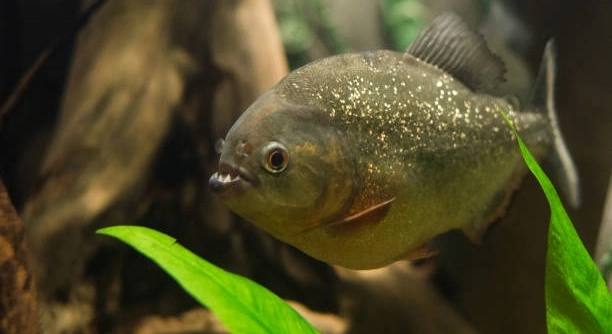
Piranhas are often seen as fierce and solitary fish, but they sometimes show unusual behaviors that suggest moments of cooperation. These rare instances challenge the common perception of their aggressive nature. Observing such behavior can reveal more about their social interactions.
Despite their reputation for aggression, piranhas occasionally engage in cooperative actions such as group hunting, shared defense, and coordinated movement. These behaviors are uncommon but demonstrate a level of social complexity that is important for their survival and efficiency in the wild.
These uncommon cooperative moments provide new insights into piranha behavior and help us better understand how these fish interact in their natural environments. The following examples highlight these fascinating occurrences.
Coordinated Hunting Strategies
Piranhas sometimes hunt in groups to increase their chances of catching prey. This cooperation allows them to target larger animals that a single piranha could not manage alone. By swimming in formation, they can surround and trap fish, making the hunt more efficient. Group hunting requires a level of communication and timing among the fish, which is rare for species often labeled as aggressive loners. These moments of coordination suggest piranhas have a social aspect that supports their survival in the wild. It also helps conserve energy by sharing the effort of chasing prey. Such teamwork improves their feeding success and benefits the entire group.
Group hunting among piranhas is uncommon but vital for tackling bigger prey and enhancing feeding efficiency.
This behavior challenges the typical image of piranhas as purely aggressive and solitary. Instead, it shows that they can act collectively when necessary. Understanding these patterns gives insight into their ecological role and how they manage resources within their environment. Group hunting reflects a balance between competition and cooperation, a complex interaction shaped by their habitat.
Defense Mechanisms Through Cooperation
Piranhas use group defense to protect themselves from larger predators. When threatened, they often cluster tightly, creating a confusing mass that makes it harder for predators to single out one fish. This behavior reduces individual risk and increases the chance of survival for the group. Such defensive cooperation is a strategic response that demonstrates piranhas’ ability to work together beyond feeding. This protective grouping helps maintain population stability and is essential during vulnerable moments like breeding or migration.
Cooperative defense helps piranhas survive by confusing predators and reducing individual vulnerability.
In addition to forming tight groups, piranhas sometimes display synchronized movements when danger approaches. These movements make it difficult for predators to predict their next action. By acting as a unified group, piranhas improve their chances of escaping threats. This collective behavior requires awareness and responsiveness within the school, showing an advanced level of social interaction. Cooperative defense is a key survival tactic, especially in environments with many predators. It highlights how piranhas balance aggression with cautious teamwork to protect their species.
Sharing Food Resources
Piranhas sometimes share food when a large prey item is caught. This reduces conflict within the group and helps weaker members access nourishment. Sharing is not constant but occurs during rare moments of cooperation that benefit the entire school.
When a big prey is caught, piranhas often distribute the food to avoid waste and unnecessary fighting. This behavior shows a level of tolerance and group cohesion not usually associated with these fish. It helps maintain balance within the group, ensuring that most members get enough to eat. Sharing food reduces stress and energy spent on competition, which benefits the group’s overall health and stability.
Food sharing may be driven by survival needs and environmental factors, like food scarcity. It also promotes social bonds within the group, encouraging cooperation beyond feeding. By working together in these ways, piranhas improve their chances of thriving in challenging habitats. This cooperation challenges the image of piranhas as solely aggressive and selfish creatures.
Coordinated Movement During Migration
Piranhas migrate seasonally to find better feeding or breeding grounds. During these migrations, they move in synchronized schools that reduce risk and conserve energy. Coordinated movement allows the group to navigate more efficiently through changing environments.
Synchronization during migration increases protection by making it harder for predators to isolate individuals. Moving as a unit also reduces water resistance, allowing fish to travel longer distances with less energy. This cooperation reflects an adaptive behavior that supports survival during periods of environmental change. Coordinated migration is a rare but essential example of piranhas working together, showing their ability to adjust behavior according to needs. Such collective movement enhances group success and safety during critical times of the year.
Cooperative Breeding Behavior
Some piranha species show signs of cooperative breeding, where adults help protect and care for the young. This behavior increases offspring survival rates by reducing threats from predators.
Adults take turns guarding nests and fanning eggs to provide oxygen. This teamwork ensures better protection and care during the early stages of life.
Alert System Within the School
Piranhas communicate danger by quickly changing their swimming patterns and body postures. This alert system helps warn others in the group about approaching threats.
This rapid signaling allows the school to respond swiftly, either by fleeing or clustering defensively. The effectiveness of this system depends on the attention and coordination of all members, highlighting their ability to act collectively under stress.
Energy Conservation in Groups
Moving in groups allows piranhas to conserve energy by reducing water resistance. Swimming closely behind one another creates slipstreams, making it easier for the fish to travel long distances.
This energy-saving behavior is crucial during feeding and migration, improving endurance and overall survival chances.
What makes piranhas cooperate despite their aggressive nature?
Piranhas are mostly known for their aggression, but cooperation happens when it benefits the group’s survival. In situations like hunting, defense, or breeding, working together improves their chances of success. These rare moments show that piranhas can balance competition with collaboration depending on the context. Cooperation helps conserve energy, reduce risk, and increase food intake, which is crucial in their challenging environments.
How often do piranhas hunt in groups?
Group hunting among piranhas is not common but occurs when targeting larger prey. When food is scarce or prey is big, they come together to increase efficiency. Most of the time, piranhas hunt alone or in loose groups, but coordinated hunting helps them handle challenges they could not face alone. This strategy is more typical during certain seasons or in specific habitats.
Do piranhas share food voluntarily?
Food sharing is not a constant behavior but happens occasionally, especially when a large prey is caught. Sharing reduces fighting and helps weaker or smaller fish access food. It is less about generosity and more about group survival, as less conflict means less energy wasted. This behavior shows that piranhas can tolerate each other when cooperation benefits all members.
How do piranhas protect themselves using cooperation?
Piranhas protect themselves by clustering tightly when threatened. This group defense confuses predators and reduces the chance of any single fish being attacked. They may also move in synchronized patterns to make it harder for predators to predict their movements. Such defense requires coordination and awareness, showing social behavior beyond simple aggression.
Can piranhas communicate danger to each other?
Yes, piranhas use body language and swimming patterns to signal danger. Rapid changes in movement alert the group to predators or threats. This communication is quick and effective, allowing the school to respond by fleeing or forming defensive groups. It shows they rely on cooperation in stressful situations.
What role does cooperative breeding play in piranha populations?
Cooperative breeding involves adults helping care for eggs and young fish. This increases survival by providing protection and oxygen to the developing offspring. While not all piranha species show this behavior, it is crucial where it occurs. It reduces individual risk and improves the success rate of the next generation, reflecting social complexity.
Why do piranhas migrate together?
Seasonal migration in groups helps piranhas find better feeding or breeding grounds. Moving in schools reduces individual risk from predators and conserves energy by swimming in coordinated patterns. This behavior improves travel efficiency and survival during environmental changes, showing their ability to cooperate beyond feeding or defense.
How does swimming in groups help piranhas conserve energy?
Swimming closely behind one another creates slipstreams, reducing water resistance. This energy-saving tactic is important during long-distance travel or when chasing prey. By conserving energy, piranhas can travel farther and stay active longer, increasing their chances of survival in difficult conditions.
Are these cooperative behaviors unique to certain piranha species?
Not all piranha species show the same level of cooperation. Some are more solitary and aggressive, while others display more group behaviors like cooperative breeding or hunting. The environment and social structure influence these behaviors. Species living in more challenging or predator-rich habitats tend to cooperate more often.
How do these rare cooperative moments change our understanding of piranhas?
These behaviors challenge the common view of piranhas as solely aggressive and solitary. Cooperation shows they have social complexity and adaptability. Recognizing these moments helps us appreciate their ecological roles and survival strategies better. It also highlights the balance between competition and cooperation in nature.
The rare moments of cooperation among piranhas reveal a side of these fish that is often overlooked. While they are mostly seen as aggressive and solitary hunters, their behavior shows they can work together when it benefits the group. This cooperation occurs in specific situations like sharing food, protecting young, migrating, or responding to threats. These actions are not constant but happen when the circumstances demand collective effort. Understanding these behaviors gives a more balanced view of piranhas as adaptable creatures capable of both competition and teamwork.
Cooperation among piranhas is driven by survival needs. Sharing food or guarding nests helps ensure the group stays healthy and the next generation survives. Coordinated swimming during migration reduces energy use and lowers the risk of predation. Even their alert system, which signals danger quickly to the whole group, depends on cooperation. These behaviors highlight the complex social dynamics within piranha groups that go beyond simple aggression. They show how piranhas respond flexibly to their environment, adapting their behavior for better results.
Recognizing these rare cooperative moments helps change the common perception of piranhas. Instead of only seeing them as fierce and dangerous, it becomes clear that they also rely on teamwork for survival. This understanding contributes to a more complete picture of their ecology and behavior. It also reminds us that animals often balance competition with cooperation in ways that support their long-term success. Such insights can encourage respect for piranhas and the important roles they play in their ecosystems.

Hello,
If you enjoy the content that we create, please consider saying a "Thank You!" by leaving a tip.
Every little bit helps us continue crafting quality advice that supports the health, happiness, and well-being of pets around the world, for pets of all shapes, sizes, and species.
We really appreciate the kindness and support that you show us!