
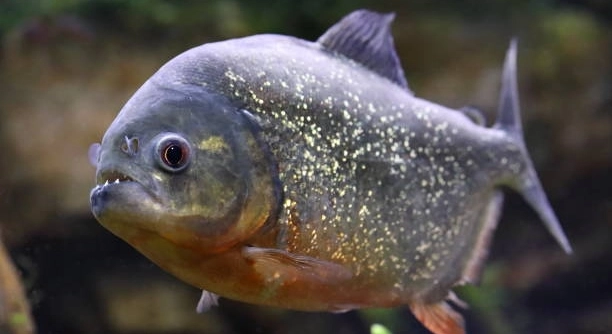
Keeping a piranha tank clean and healthy is essential for the well-being of these powerful fish. Choosing the right filter can make all the difference in maintaining water quality and providing a safe environment. Filters help remove debris, waste, and harmful chemicals from the water.
The best filters for piranha tanks combine mechanical, biological, and chemical filtration to ensure clear and healthy water. Efficient filtration supports the fish’s health by reducing toxins, controlling ammonia and nitrite levels, and maintaining stable water parameters. Proper filter selection is crucial for tank success.
Finding the right filter can improve your tank’s cleanliness and stability. This guide highlights seven tested options to help you make an informed choice.
Why Proper Filtration Matters for Piranha Tanks
Piranhas produce a significant amount of waste due to their size and diet, making filtration essential. Without effective filtration, toxins such as ammonia and nitrites can build up quickly, harming the fish. Mechanical filtration traps debris, keeping the water clear. Biological filtration encourages beneficial bacteria growth that breaks down harmful substances. Chemical filtration removes dissolved impurities, including odors and discoloration. Together, these processes maintain water quality and provide a healthy environment. An efficient filter reduces the frequency of water changes and lowers the risk of disease outbreaks. Piranhas are sensitive to poor water conditions, so investing in a reliable filter helps keep them active and stress-free. Choosing a filter with sufficient flow rate and capacity for the tank size is equally important. Filters that are too weak or too strong can cause issues with water circulation or stress the fish. Proper maintenance and regular cleaning of the filter media are also necessary to ensure consistent performance.
Effective filtration extends the life of your tank equipment and promotes a stable aquatic environment. It simplifies tank upkeep while supporting the health of your piranhas.
Selecting a high-quality filter designed for carnivorous fish tanks allows for better control over water parameters. Filters with multi-stage filtration provide thorough cleaning. Considering ease of maintenance, noise level, and energy consumption can improve daily tank management. Some filters offer additional benefits like adjustable flow and integrated UV sterilization. Monitoring the tank’s water chemistry regularly helps to identify when filter maintenance is needed. Filters that combine biological and mechanical filtration tend to be the most effective for piranhas. Always match the filter’s capacity to the tank size and fish load. Over-filtering is safer than under-filtering, but flow rate should not be excessive. Proper filtration sets the foundation for a thriving piranha aquarium.
Top Features to Look for in Piranha Tank Filters
Choosing a filter with reliable performance is key. Look for durability, ease of maintenance, and effective filtration types.
A good piranha tank filter should offer mechanical, biological, and chemical filtration. It must have a flow rate suitable for your tank size, usually about 4-6 times the tank volume per hour. Durable materials resist wear and corrosion from constant water exposure. Ease of access for cleaning filter media helps maintain consistent water quality. Adjustable flow settings prevent stressing the fish by controlling water movement. Noise levels are important, especially if the tank is indoors or in a quiet space. Some filters come with extra features like UV sterilizers to reduce algae and pathogens. Considering energy efficiency helps reduce long-term operating costs. Ultimately, selecting a filter designed for aggressive or carnivorous fish ensures it can handle heavier bioloads typical in piranha tanks. Balancing these features ensures the filter meets the specific needs of your aquarium without complicating maintenance.
Hang-On-Back (HOB) Filters: A Practical Choice
Hang-on-back filters are popular due to their easy installation and maintenance. They hang on the side of the tank and use a motorized pump to draw water through filter media. These filters provide efficient mechanical, biological, and chemical filtration. The media can be customized with sponges, bio-balls, and activated carbon, depending on your tank’s needs. HOB filters are generally affordable and widely available in sizes suitable for piranha tanks. They offer adjustable flow rates, which is important for controlling water movement. Because they are external, they save space inside the tank and are easy to inspect and clean without disturbing the fish. The drawback is that they can be noisy if not properly maintained. Regular cleaning of the impeller and media helps reduce noise and maintain efficiency. Hang-on-back filters are an excellent choice for beginner and experienced keepers alike, balancing performance and convenience.
HOB filters provide reliable filtration while simplifying daily maintenance tasks, making them a solid option for many piranha tank owners.
Canister Filters for Larger Piranha Tanks
Canister filters are ideal for larger tanks because they offer powerful filtration and high capacity. They sit outside the tank, allowing for extensive media customization. These filters handle heavy bioloads well and provide excellent mechanical, biological, and chemical filtration.
Their external design saves space inside the tank, making it easier to maintain water quality without clutter. Canister filters have strong pumps that circulate water efficiently through multiple filter chambers. This setup maximizes filtration surface area and allows for various media types to target specific water conditions. Maintenance involves cleaning the media and hoses regularly to prevent clogging. Canister filters tend to be quieter than some other filter types and are suited for tanks with aggressive fish like piranhas.
While installation can be more complex than simpler filters, the benefits outweigh this for larger or heavily stocked tanks. Their versatility and power make them a reliable choice to keep piranha tanks clean and balanced.
Sponge Filters for Breeding and Quieter Tanks
Sponge filters provide gentle filtration with excellent biological support and are often used in breeding setups or smaller tanks. They are powered by an air pump, producing minimal water flow and noise, which helps reduce stress in fish.
These filters excel at nurturing beneficial bacteria, which break down harmful ammonia and nitrites efficiently. The sponge traps debris mechanically and allows for easy cleaning without disturbing the biological colony. Sponge filters are cost-effective and simple to maintain, requiring only periodic rinsing in tank water to preserve bacteria. They are safe for fry and smaller fish since they do not create strong suction. However, sponge filters alone may not provide sufficient chemical filtration, so combining them with other filter types is common in larger or heavily stocked tanks.
For piranha tanks, sponge filters are best used as supplementary filtration or in smaller aquariums focused on breeding or reduced water movement. Their gentle filtration and quiet operation make them a valuable tool for specific tank setups.
Internal Filters for Small Piranha Tanks
Internal filters are compact and fit inside the tank, making them suitable for small setups. They provide adequate mechanical and biological filtration but usually lack advanced chemical filtration. These filters are easy to install and maintain.
They produce moderate water flow, which can be adjusted to avoid stressing the fish. Internal filters are cost-effective and work well in tanks without room for external units.
Power Filters and Their Efficiency
Power filters use an electric pump to push water through multiple media types. They offer strong mechanical, biological, and chemical filtration. These filters are highly efficient at clearing debris and toxins, ideal for medium to large piranha tanks. Their adjustable flow settings help reduce stress.
UV Sterilizers for Tank Clarity
UV sterilizers use ultraviolet light to kill algae, bacteria, and parasites in the water. They are often added to existing filtration systems to improve water clarity and reduce disease risks. This technology helps maintain a healthier tank environment.
Maintenance Tips for Filters
Regular cleaning and timely media replacement are essential to keep filters working properly. Neglecting maintenance can reduce efficiency and harm water quality.
FAQ
What type of filter is best for a piranha tank?
The best filter combines mechanical, biological, and chemical filtration. Canister filters and hang-on-back filters are often recommended because they handle the heavy waste load and keep water clean. The filter should have a flow rate suitable for the tank size, usually 4-6 times the tank volume per hour.
How often should I clean my piranha tank filter?
Cleaning frequency depends on tank size, fish load, and filter type. Generally, check mechanical media every 2-4 weeks and rinse it in tank water to avoid killing beneficial bacteria. Biological media should be cleaned less often, only if clogged, to preserve bacteria. Chemical media like activated carbon usually lasts 4-6 weeks before replacement.
Can I use a sponge filter alone for piranhas?
Sponge filters provide good biological filtration and gentle water flow but usually do not offer enough mechanical or chemical filtration for adult piranhas. They work well as supplemental filters or in breeding tanks but should be paired with a stronger filter for larger tanks or adult fish.
Is it necessary to have a UV sterilizer in a piranha tank?
A UV sterilizer is not mandatory but can improve water clarity and reduce harmful pathogens. It helps control algae and diseases but should complement, not replace, a good mechanical and biological filtration system.
How do I know if my filter is too strong for my piranha tank?
If your piranhas appear stressed or struggle to swim against the water flow, the filter’s current may be too strong. Look for filters with adjustable flow settings or use flow restrictors to reduce water movement, ensuring a comfortable environment for the fish.
What is the ideal flow rate for piranha tank filters?
The ideal flow rate is generally 4-6 times the tank’s volume per hour. For example, a 30-gallon tank would need a filter with 120-180 gallons per hour flow. This rate ensures effective filtration without creating excessive water movement that could stress the fish.
Can a filter remove ammonia and nitrites effectively?
Yes. Biological filtration is key for breaking down ammonia and nitrites. Beneficial bacteria colonize the filter media and convert toxic compounds into less harmful nitrates. Mechanical and chemical filtration help keep the water clear, but biological filtration maintains the nitrogen cycle.
How loud are common piranha tank filters?
Noise levels vary by type and brand. Hang-on-back and canister filters can be quiet if well-maintained. Sponge filters are very quiet because they run on air pumps. Proper cleaning of impellers and media prevents rattling or humming sounds, keeping noise minimal.
Can I run multiple filters in one piranha tank?
Yes. Using multiple filters can improve water quality and provide backup in case one fails. Combining different filter types, like a sponge filter with a canister or hang-on-back, supports thorough filtration and reduces maintenance frequency.
What maintenance steps extend filter life?
Regular rinsing of mechanical media in tank water, replacing chemical media on schedule, cleaning impellers and tubes, and checking for leaks or damage all help maintain performance. Avoid using tap water on biological media to protect beneficial bacteria.
Are internal filters suitable for piranha tanks?
Internal filters work well for small tanks but may not provide enough filtration for larger piranha setups. They are easy to install and maintain but generally lack the capacity needed for the heavy bioload of adult piranhas.
How can I reduce filter noise?
Cleaning the impeller and filter housing regularly prevents buildup that causes noise. Placing filters on vibration-absorbing pads and tightening loose parts also helps. Choosing filters designed for quiet operation can reduce disturbances.
Can over-filtering harm piranhas?
Over-filtering rarely harms fish but excessive water flow can stress piranhas. Ensuring adjustable flow rates or flow restrictors allows you to control water movement, keeping the environment calm and comfortable.
How important is filter media customization?
Customizing filter media helps target specific tank needs. Adding activated carbon removes odors and discoloration, while bio-media supports bacteria growth. Mechanical sponges trap debris. Adjusting media type and amount improves filtration efficiency and water quality.
What signs indicate filter failure?
Cloudy water, foul odors, rising ammonia or nitrite levels, or reduced water flow all signal filter issues. Regular checks and maintenance prevent these problems and ensure a healthy tank environment for piranhas.
Final Thoughts
Choosing the right filter for a piranha tank is essential to maintaining a healthy and stable environment. Filters remove harmful waste and keep the water clean, which is crucial for piranhas due to their messy nature. Different filter types offer various advantages depending on tank size and stocking levels. Canister filters provide strong filtration for larger tanks, while sponge filters support gentle water flow and biological filtration in smaller or breeding tanks. Selecting a filter that matches the tank’s requirements helps prevent common problems like poor water quality and stress in fish.
Proper maintenance plays a key role in the effectiveness of any filter. Regular cleaning of mechanical media and replacement of chemical media keep the filter functioning well. Biological media should be preserved carefully to maintain beneficial bacteria that process toxic compounds. Neglecting maintenance can reduce filter efficiency and cause spikes in ammonia and nitrites, which are dangerous to piranhas. Monitoring the filter’s performance and adjusting cleaning routines based on tank conditions ensures a healthy aquatic environment over time. A well-maintained filter supports piranhas’ health and longevity.
Balancing filtration power with water flow is also important. Strong filtration is necessary to handle the waste produced by piranhas, but excessive water movement can cause stress and discomfort. Many filters offer adjustable flow settings, which allow customizing the current to suit the fish. Supplementing filtration with additional equipment like UV sterilizers can improve water clarity and reduce disease risk but should not replace basic filtration needs. Overall, choosing the right filter, maintaining it regularly, and managing flow rates contribute to a stable, healthy piranha tank.

Hello,
If you enjoy the content that we create, please consider saying a "Thank You!" by leaving a tip.
Every little bit helps us continue crafting quality advice that supports the health, happiness, and well-being of pets around the world, for pets of all shapes, sizes, and species.
We really appreciate the kindness and support that you show us!