
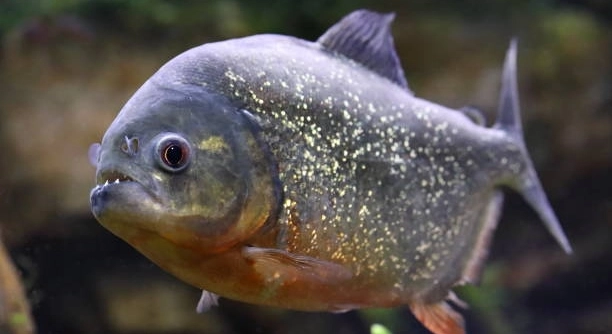
Feeding piranhas can be a challenging task, especially when trying to keep the tank area clean. These fish are known for their quick and aggressive feeding habits, which often lead to water contamination. Proper feeding techniques are essential to maintain a healthy environment.
The key to feeding piranhas without making a mess lies in portion control and using feeding tools that minimize food dispersion. Avoid overfeeding, remove uneaten food promptly, and use feeding tongs or specialized feeders to deliver food directly to the fish.
Maintaining a tidy tank during feeding supports the health of your piranhas and reduces maintenance efforts. The following guide will provide clear steps to feed efficiently and keep your aquarium clean.
Preparing the Feeding Area
Creating a controlled feeding environment helps reduce mess when feeding piranhas. Start by cleaning the tank and removing debris. Place a feeding ring or a small container inside the aquarium to confine the food in one spot. This limits food particles from scattering around the tank. Use feeding tongs or forceps to hold the food and present it close to the piranhas. Avoid dropping food directly into the water as this encourages quick scattering. Preparing the area beforehand saves time spent cleaning later and reduces the chance of uneaten food polluting the water. It also keeps the fish focused on the food, which improves feeding efficiency.
Keeping the feeding area confined allows you to observe the amount of food consumed. This practice prevents overfeeding and helps monitor the fish’s health.
Consistent feeding routines make piranhas less aggressive during meals. Feeding at the same time daily conditions their behavior. Using slow-release food or gel-based options can further reduce waste. Observe the fish’s reaction and adjust the portion size accordingly. Promptly remove leftovers to maintain water quality and reduce odor. A clean tank contributes to healthier fish and easier maintenance.
Choosing the Right Food
Selecting suitable food types minimizes mess and promotes piranha health. Use fresh or frozen meat such as fish fillets, shrimp, or beef heart cut into small pieces. Avoid large chunks that are difficult for the piranhas to consume quickly. Floating pellets designed for carnivorous fish can also work well, as they stay near the feeding area and reduce sinking debris. Feeding a varied diet supports nutrition and reduces aggressive competition for food.
Frozen food should be thawed properly before feeding. Avoid processed foods with additives that may pollute the tank.
Live food can increase mess due to excess movement and waste. Using prepared food reduces water contamination and simplifies feeding. Carefully monitor the amount given and remove leftovers immediately. Keeping food contained and choosing the right types will result in less waste and a cleaner tank environment. This also encourages natural feeding behaviors while minimizing effort to clean the aquarium.
Timing and Frequency of Feeding
Feeding piranhas once or twice daily is sufficient to maintain their health. Overfeeding leads to water pollution and stress among the fish.
Feeding at consistent times helps regulate the fish’s metabolism and reduces aggressive behavior during meals. It is best to provide small portions rather than large amounts at once. Smaller meals are easier to control and less likely to cause leftover food that contaminates the water. Observing how quickly the piranhas consume the food can guide portion adjustments. If food remains after a few minutes, reduce the next feeding amount.
Spacing feedings allows the fish to digest properly and prevents excessive waste buildup. Maintaining regular feeding schedules contributes to better tank hygiene and healthier fish overall. Avoid feeding right before water changes, as leftover food can affect water quality.
Cleaning Up After Feeding
Removing leftover food immediately after feeding is necessary to keep the tank clean. Use a siphon or net to pick up uneaten food. This prevents decomposition that can reduce oxygen levels.
Regular cleaning prevents bacteria and algae growth caused by food residue. Leftover food contributes to cloudy water and unpleasant odors, which stress the fish. Observing feeding habits allows better control over food quantity and reduces waste. Establishing a quick post-feeding routine minimizes mess and helps maintain water clarity. Consistent cleanup supports stable water parameters, essential for piranha health and aquarium longevity.
Using Feeding Tools
Feeding tongs or forceps help deliver food precisely, reducing scattered bits. These tools give better control over portions and placement.
They also keep hands safe from aggressive bites. Using feeding tools encourages cleaner feeding sessions and lowers food waste.
Avoiding Overfeeding
Overfeeding causes excess waste that pollutes water and stresses piranhas. It is important to provide only what the fish can eat within minutes.
Controlling portions prevents leftover food buildup. Observing feeding habits helps adjust amounts to the tank’s needs. Consistency is key for a healthy environment.
Maintaining Water Quality
Regular water changes and filtration are essential to counteract waste from feeding. Clean water reduces harmful bacteria and supports fish health.
Test water parameters frequently to detect early signs of pollution. Keeping the tank environment stable minimizes risks related to feeding mess.
How much should I feed my piranhas at one time?
Feed piranhas only the amount they can consume within about five minutes. Overfeeding leads to leftover food that pollutes the tank and stresses the fish. Start with small portions, roughly the size of their mouths, and adjust based on how quickly they eat. Watching their behavior will help fine-tune the amount over time. Regularly reducing portions prevents water quality issues and keeps the environment healthier.
Can I feed piranhas live food?
Live food such as small fish or insects is acceptable but can increase mess and contamination. Live prey may introduce parasites or bacteria, so it requires caution. Frozen or fresh meat cut into small pieces is often cleaner and easier to manage. If live food is used, ensure it is from a safe source and monitor the tank closely to remove uneaten pieces promptly.
What type of food is best for piranhas?
A varied diet is best. Fresh or frozen fish fillets, shrimp, beef heart, and carnivorous pellets offer balanced nutrition. Avoid processed foods with additives that can harm water quality. Mixing protein sources supports health and reduces aggressive competition during feeding. Consistency and quality of food directly affect piranha vitality and coloration.
How often should I feed piranhas?
Feeding once or twice a day is sufficient. More frequent feedings may lead to overeating, poor water conditions, and increased waste. Piranhas can also tolerate occasional fasting, which helps keep their digestion healthy. Maintaining a regular feeding schedule promotes stable tank conditions and predictable fish behavior.
What are the signs of overfeeding?
Cloudy or foul-smelling water, leftover food sinking to the bottom, and sluggish fish behavior are common signs. Overfeeding can cause poor water quality, which stresses piranhas and increases disease risk. Monitoring feeding amounts and promptly removing uneaten food reduces these problems. Clean water ensures healthier fish and less maintenance.
How do I clean up after feeding?
Use a siphon or aquarium net to remove uneaten food and debris shortly after feeding. This prevents decay that lowers oxygen levels and encourages bacteria growth. Regular water changes and filter maintenance complement cleanup efforts. Establishing a quick cleanup routine saves time and preserves water clarity.
Can feeding tools reduce mess?
Yes. Feeding tongs, forceps, or specialized feeders allow precise placement of food directly to the fish. This minimizes food scatter and waste. They also protect hands from bites during feeding. Using tools creates a more controlled feeding environment and supports better water quality.
Is it okay to feed piranhas in a separate container?
Feeding in a separate container can reduce mess in the main tank, but it may cause stress if the fish are moved frequently. If used, limit time in the container and avoid overhandling. Most owners find feeding directly in the tank, with proper techniques, more practical and less disruptive.
What should I do if leftover food keeps accumulating?
Reduce the amount of food given and feed smaller portions more frequently if needed. Check feeding techniques to ensure food is delivered close to the fish. Remove uneaten food quickly. Improving filtration and water changes will help manage waste buildup. Consistent observation and adjustment are necessary to keep the tank clean.
How do feeding habits affect piranha behavior?
Regular feeding times help regulate aggression and feeding frenzy. Irregular or excessive feeding can increase stress and aggressive behavior. Consistent routines promote calmer interactions and better health. Observing how piranhas react during feeding helps tailor schedules and portions to their needs.
Can piranhas eat pellets alone?
Pellets formulated for carnivorous fish can be a convenient food source but should not be the sole diet. They lack the variety and richness found in fresh or frozen meat. Combining pellets with other protein sources ensures balanced nutrition and stimulates natural feeding instincts.
How long should I wait before removing uneaten food?
Uneaten food should be removed within 10 to 15 minutes after feeding. This prevents decay and water contamination. Prompt cleanup protects water quality and fish health. Monitoring feeding sessions helps establish the best removal timing.
What happens if water quality drops due to feeding?
Declining water quality stresses piranhas, making them vulnerable to illness and reducing lifespan. Signs include lethargy, loss of appetite, and abnormal swimming. Regular water tests, partial water changes, and improved feeding practices are essential to reverse damage. Maintaining clean water is critical for long-term aquarium success.
Are there feeding techniques to reduce mess?
Feeding slowly and using controlled tools keeps food contained. Feeding small amounts and using feeding rings or containers inside the tank confines food to one area. Removing food promptly and cleaning regularly also reduce mess. Consistent routines limit waste and maintain water clarity.
Can I feed piranhas plant-based foods?
Piranhas are primarily carnivorous and need protein-rich diets. Plant-based foods do not provide sufficient nutrition and may contribute to water pollution if left uneaten. Avoid feeding vegetables or fruits as main food sources. Occasional supplementation is unnecessary and could cause imbalance.
Feeding piranhas without creating a mess requires attention to detail and consistency. The right portion size and feeding frequency are essential to prevent leftover food from polluting the tank. Using feeding tools can help control food placement and reduce waste. Regular cleanup after feeding is also necessary to maintain water quality. These practices work together to create a cleaner, healthier environment for the fish.
Maintaining water quality is critical for the well-being of piranhas. Overfeeding leads to excess waste, which can cause ammonia and nitrite levels to rise, harming the fish. Performing regular water changes and monitoring water parameters helps keep the tank stable. Efficient filtration also plays a key role in removing debris and supporting a balanced ecosystem. Consistent tank maintenance prevents common problems related to feeding and ensures the piranhas remain active and healthy.
Understanding piranhas’ dietary needs and behaviors makes feeding less stressful and more effective. Providing a varied diet with fresh or frozen protein sources promotes their health and coloration. Feeding at scheduled times helps reduce aggressive behavior and keeps the fish calmer during meals. Taking time to observe and adjust feeding routines benefits both the fish and the aquarium owner. With proper care, feeding piranhas can be a manageable part of keeping these unique fish.

Hello,
If you enjoy the content that we create, please consider saying a "Thank You!" by leaving a tip.
Every little bit helps us continue crafting quality advice that supports the health, happiness, and well-being of pets around the world, for pets of all shapes, sizes, and species.
We really appreciate the kindness and support that you show us!