
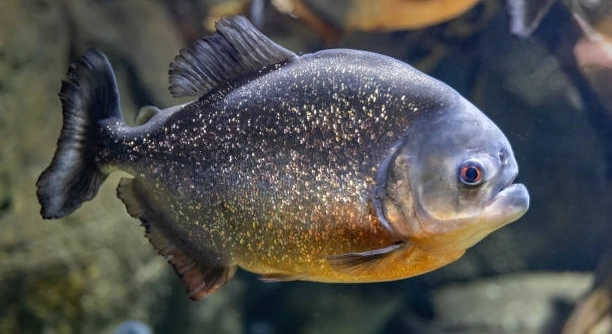
Many people find piranhas fascinating because of their sharp teeth and fast movements. These fish often attract attention due to their aggressive reputation and curious nature in the water. Understanding what draws their interest can reveal more about their behavior.
Piranha curiosity is typically triggered by sudden movements, vibrations in the water, unfamiliar objects, food sources, changes in light, sounds, and disturbances in their environment. These stimuli prompt investigative or defensive responses essential for their survival and social interaction.
Knowing these triggers can help better understand piranha behavior and how they react to their surroundings in both wild and controlled environments.
Sudden Movements and Vibrations
Piranhas are very sensitive to quick movements and vibrations in the water. When something moves fast or creates ripples, it immediately catches their attention. This instinct helps them spot potential prey or threats. For example, if a fish splashes nearby, piranhas often swim closer to investigate. Their sharp eyesight works well in clear water, allowing them to react quickly. This response is part of their survival mechanism, helping them stay alert to anything unusual around them. Even small disturbances like a falling leaf or a swimmer’s splash can trigger their curiosity. They don’t always attack right away; sometimes, they just observe. This behavior shows how piranhas gather information before deciding how to act. Recognizing this can be useful for those who keep piranhas in aquariums or study their natural behavior in rivers.
Piranhas respond quickly to sudden water movements, using this ability to find food or avoid danger.
Understanding how they react to vibrations helps explain their cautious yet curious nature in different settings.
Food Sources and Unfamiliar Objects
Food is one of the strongest triggers for piranha curiosity. They can smell and sense food from a distance, which makes them move towards anything that looks like a potential meal. Pieces of meat, fish, or even insects falling into the water grab their attention right away. They don’t only respond to actual food but also to objects that resemble food in shape or color. This includes things like floating sticks, debris, or shiny items. Piranhas may swim closer to examine these objects, trying to decide if they can eat them. This behavior is important because it helps them survive by not missing chances to eat. However, it also means they sometimes get interested in things that are not edible. This curious nature shows their constant search for nourishment in their environment and their readiness to investigate new items that enter their space.
Piranhas’ attraction to food and unfamiliar objects is linked to their survival instincts, driving them to explore and assess new items in their habitat. They rely heavily on their senses to detect anything that might offer nutrition or danger, showing their adaptive nature.
In captivity, understanding this behavior helps owners provide better care by minimizing stress and ensuring a safe environment. When piranhas are offered regular feeding, they become less likely to aggressively investigate non-food items, reducing accidental bites or damage in tanks. Observing how piranhas react to different objects can also offer insight into their mood and health. Wild piranhas use this curiosity to find food in unpredictable conditions, while captive ones display it in a more controlled way. Learning about their food-driven interest is key to managing their behavior whether in the wild or in an aquarium setting.
Changes in Light and Shadows
Piranhas notice changes in light and shadows quickly. Sudden shifts can make them alert and curious about what caused it. This helps them detect movement nearby even if they can’t see clearly.
Light changes create contrast in their environment, making shapes and movements easier to spot. When sunlight filters through water or clouds cover the sun, shadows form and move. Piranhas use these shifts to find prey or watch for threats. If a shadow suddenly passes over the water, they often swim closer to investigate. This behavior is part of how they stay aware of their surroundings and avoid danger. In aquariums, adjusting lighting can influence how active or calm they are. Keeping a natural light cycle helps maintain their normal behavior and reduces stress caused by unusual shadows or brightness.
Recognizing how piranhas respond to light can improve their care and handling, making interactions safer and less stressful for both the fish and their keepers.
Sounds and Water Disturbances
Piranhas respond strongly to sounds and disturbances in the water. They sense vibrations caused by movement or noise, which makes them alert and ready to react. These signals help them find food or spot danger quickly.
The way sound travels underwater is different from air, but piranhas are well adapted to pick up even small noises. Sounds from other fish, falling objects, or water currents create vibrations that piranhas can detect through special organs. This sensitivity helps them explore and understand what’s happening around them. Loud or repeated noises may make them defensive or curious, depending on the situation. In a natural setting, these reactions keep them safe and aware. In captivity, sudden loud sounds can stress piranhas, so it’s important to minimize noise and water disturbances near their tanks.
Understanding their response to sounds helps create a calm environment and encourages healthier, more natural behavior in piranhas.
Territorial Behavior
Piranhas are very aware of their space. When something enters their territory, they become alert and watch closely. This helps them protect their area from intruders.
They use body language and movements to show dominance or warn others. This behavior is important for maintaining order within their group.
Social Interactions and Group Dynamics
Piranhas often swim in groups called shoals, which influence their curiosity. Within these groups, they watch each other’s actions closely to learn about potential threats or food sources. Social interactions help them stay coordinated and safe. When one piranha reacts to something, others quickly follow, showing their collective awareness. Group behavior also helps reduce individual risk when exploring new things. This social curiosity is a survival tool, allowing them to adapt quickly to changes in their environment. Observing their interactions reveals how piranhas communicate and maintain balance in their community, providing insight into their natural instincts and behaviors.
Environmental Changes
Piranhas react to changes in their surroundings, such as water temperature or quality. These changes can make them more alert and curious.
What causes piranhas to become curious about their surroundings?
Piranhas become curious primarily due to sudden changes or disturbances in their environment. This includes movements, vibrations, and unfamiliar objects entering their territory. Their survival depends on quickly assessing these changes to identify potential food sources or threats. Their sharp senses help them notice even small shifts in water currents, light, or sounds. This natural alertness keeps them safe and ready to respond. Curiosity is a way for them to gather information before deciding whether to attack, flee, or ignore something new. This cautious investigation is common both in the wild and captivity.
How do piranhas react to sudden movements in the water?
Sudden movements immediately grab a piranha’s attention. They respond by swimming closer to investigate the cause. This reaction is linked to their hunting instinct since fast movements often signal prey. However, it can also be a defensive behavior to check for danger. The faster the movement, the stronger their response tends to be. In aquariums, quick hand motions or splashes can stress piranhas because they interpret these as possible threats or food. Understanding this helps when interacting with them—calm, slow movements are less likely to provoke a strong reaction.
Do piranhas always attack when they are curious?
Not all curiosity leads to an attack. Often, piranhas observe first, using their eyes and senses to decide if something is safe or edible. They may swim around an object or pause nearby to study it. Attacking usually happens only if they identify a clear threat or food. In groups, if one piranha attacks, others may join due to social behavior. However, without clear signals, they tend to remain cautious rather than aggressive. This careful approach helps them avoid wasting energy or risking injury on false alarms.
What role does food play in triggering piranha curiosity?
Food is one of the strongest triggers for piranha curiosity. They are drawn to anything that smells or looks like food, including meat, insects, or fish. Their keen sense of smell helps them detect food from a distance. Even small scraps or floating particles can catch their attention. Sometimes, objects that resemble food in shape or color also trigger their curiosity. This behavior is part of their survival instinct, ensuring they don’t miss an opportunity to eat. For piranhas in captivity, regular feeding reduces aggressive exploration of non-food items, making their environment safer.
How do changes in light and shadows affect piranha behavior?
Piranhas are sensitive to light and shadows, reacting quickly to sudden changes. Shifts in lighting create contrasts that highlight movement or shapes in the water, helping them detect prey or threats. When a shadow passes overhead or sunlight filters through, they often become more alert. This sensitivity helps them adapt to changing conditions in their environment. In aquariums, irregular or harsh lighting can cause stress or increased activity. Maintaining a natural light cycle supports their normal behavior and reduces unnecessary curiosity or defensive actions caused by strange shadows.
Can piranhas hear or sense sounds? How does this influence their curiosity?
Yes, piranhas can sense sounds and vibrations in the water using specialized organs. Sound travels differently underwater, but piranhas detect even subtle noises caused by movement or disturbance. This ability alerts them to nearby fish, predators, or potential prey. Loud or repeated noises often increase their curiosity or defensive behavior. In their natural habitat, this sensitivity helps them react quickly to changes. In captivity, loud noises or sudden water disturbances can stress them, making calm environments important. Understanding this helps owners manage piranha tanks carefully to avoid unnecessary agitation.
How do piranhas behave around unfamiliar objects?
Piranhas investigate unfamiliar objects carefully. They swim close and examine these items to decide if they are threats, food, or harmless. This cautious behavior prevents them from attacking things that are not edible. Sometimes, shiny or moving objects attract more attention because they resemble prey or rivals. In groups, their curiosity can spread, leading to more active exploration. This behavior shows their natural instinct to explore their environment for safety and resources. Tank owners should avoid placing unnecessary objects in their habitat to reduce stress and unwanted behavior.
What is the significance of social interactions in piranha curiosity?
Social interactions play a key role in piranha curiosity. They live in groups where watching each other’s reactions is important. If one piranha notices something interesting or threatening, others quickly respond. This group behavior helps protect them and find food more efficiently. Social curiosity also strengthens bonds within the group, maintaining order and cooperation. In aquariums, observing how piranhas interact can reveal their mood and health. Social dynamics encourage collective investigation and help piranhas adapt faster to new situations or changes in their environment.
Do environmental factors like temperature or water quality affect piranha curiosity?
Yes, environmental factors such as temperature and water quality influence how curious piranhas are. Sudden changes in temperature or poor water conditions make them more alert and restless. They use their senses to detect these changes and adjust their behavior accordingly. Stable, clean water with proper temperature keeps them calm and less stressed, reducing unnecessary curiosity or agitation. Monitoring these conditions is essential for maintaining healthy piranhas, especially in captivity. Changes in environment can trigger increased exploration or defensive behavior as they try to cope with new or uncomfortable situations.
How can understanding piranha curiosity improve their care in captivity?
Knowing what triggers piranha curiosity helps create a safer, more comfortable environment in captivity. By minimizing sudden movements, vibrations, and loud noises, stress levels decrease. Providing a stable environment with proper lighting, clean water, and regular feeding reduces unnecessary exploration and aggression. Avoiding unfamiliar or shiny objects prevents confusion and helps piranhas feel secure. Understanding their social behavior also allows better management of group dynamics. This knowledge leads to healthier piranhas and a more peaceful aquarium, benefiting both the fish and their caretakers.
Piranhas are often seen as fierce and dangerous fish, but their curiosity plays a big role in how they interact with their environment. They pay close attention to movements, sounds, light changes, and anything new around them. This careful observation helps them find food, stay safe, and communicate with others. Understanding these triggers shows that piranhas are not just aggressive creatures, but also animals that use curiosity as a tool to survive and adapt. Their behavior reflects a balance between caution and interest in their surroundings.
In captivity, recognizing what makes piranhas curious can help improve how they are cared for. Sudden movements, loud noises, and changes in lighting can stress them out, leading to unwanted aggression or fear. Keeping their environment calm and stable helps reduce this stress and encourages natural behavior. Feeding them regularly and avoiding placing unfamiliar objects in their tanks also limits their unnecessary exploration. By paying attention to these factors, owners can create a safer and more comfortable space for their piranhas. This not only benefits the fish but also makes managing them easier and less risky.
Overall, piranha curiosity is a natural and important part of their behavior. It helps them learn about what is happening around them and decide how to react. Whether in the wild or in aquariums, these triggers play a key role in their daily life. Taking time to understand these behaviors allows for better care and a deeper appreciation of these fascinating fish. When we respect how piranhas respond to their environment, it leads to healthier fish and a more peaceful experience for everyone involved.

Hello,
If you enjoy the content that we create, please consider saying a "Thank You!" by leaving a tip.
Every little bit helps us continue crafting quality advice that supports the health, happiness, and well-being of pets around the world, for pets of all shapes, sizes, and species.
We really appreciate the kindness and support that you show us!