
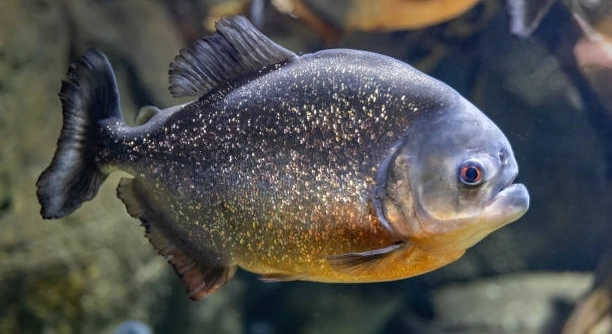
Piranhas are fascinating fish known for their sharp teeth and quick movements. Watching their behavior can help people understand their moods and health. Changes in how piranhas act often signal something important in their environment or well-being.
Seven key behavioral changes to observe in piranhas include shifts in schooling patterns, altered feeding habits, increased aggression, lethargy, unusual hiding, erratic swimming, and changes in breathing. Monitoring these signs provides insight into their health and stress levels.
Knowing what to look for in piranhas’ behavior can help owners and enthusiasts keep these fish healthy and safe. Observing these changes closely will give you a better sense of their needs and environment.
Changes in Schooling Behavior
Piranhas usually swim in groups called schools. When they change how they group together, it can be a sign something is wrong. If they start to swim alone or the school becomes smaller, it might mean stress or illness. This can happen if the water quality changes or if there is a predator nearby. Sometimes, changes in schooling happen when the fish are getting ready to breed. Watching these patterns closely helps you spot problems early. Noticing when they stay apart or suddenly gather too tightly gives clues about their environment. Proper water conditions and a calm tank help keep their schooling behavior normal. Sudden changes should be taken seriously to avoid bigger health problems.
Schooling is a natural way for piranhas to protect themselves and stay safe. When they stop schooling, it’s important to check their tank conditions right away.
Keeping the tank clean and stable supports healthy schooling behavior. A balanced environment with good oxygen and no sudden noise will help piranhas feel safe and behave normally in groups.
Altered Feeding Habits
Piranhas have a strong appetite, and any change in eating can be a clear warning sign. They may eat less or stop eating if they feel stressed, sick, or if the water conditions aren’t right. Sometimes, they eat more aggressively than usual, which can also mean something is off. Changes in feeding can indicate infections or parasites affecting their health. Providing a regular feeding schedule and good quality food helps maintain their normal appetite. Watching how much and how often they eat gives clues about their well-being. If you notice your piranha ignoring food or showing less interest, it’s best to investigate the water parameters and tank setup. Early response to feeding changes can prevent serious illness or death in your fish.
Keeping track of feeding patterns helps maintain a healthy aquarium environment. Proper diet and regular feeding times support overall fish health. Monitoring these habits closely allows quick action when problems arise.
Increased Aggression
Piranhas can show more aggression when stressed or overcrowded. This change can lead to fights and injuries.
Stress from poor water quality or lack of space often causes aggressive behavior. When piranhas feel threatened, they may nip at tank mates or fight more often. Overcrowding increases competition for food and territory, making aggression worse. If you notice more biting or chasing, it’s important to check tank conditions. Separating overly aggressive fish or adding hiding spots can reduce stress. Keeping the environment stable helps keep aggression at a healthy level and protects all the fish in the tank.
Aggression also rises during breeding periods when males defend their territory. Watching for sudden changes can help prevent damage and keep the tank peaceful.
Lethargy
Lethargy is a common sign of illness or poor water conditions in piranhas. They may swim less and hide more than usual.
When piranhas become inactive, it often means something is wrong with their health or environment. Low oxygen levels, high ammonia, or sudden temperature changes can cause this behavior. Illnesses like infections also make them weak and slow. If lethargy lasts for several days, test water quality and observe for other symptoms such as loss of appetite or discoloration. Improving tank conditions, such as cleaning the water and keeping a steady temperature, often helps. Sometimes, medical treatment is needed to restore health. Acting quickly can make a big difference in recovery.
Lethargy affects piranhas’ ability to eat and defend themselves, so it should never be ignored. Maintaining stable tank conditions is key to preventing this problem.
Unusual Hiding
Piranhas normally hide when they feel threatened or need rest. Excessive hiding can mean stress or illness.
If your piranhas are spending too much time hiding, it might be a sign of poor water quality, overcrowding, or illness.
Erratic Swimming
Erratic swimming, such as darting or spinning, often signals discomfort or health issues. It can be caused by parasites, poor water conditions, or lack of oxygen. Observing these movements helps identify problems early so you can act to improve the tank environment and fish health.
Changes in Breathing
Faster or heavier breathing in piranhas can indicate low oxygen levels or stress. This behavior means the fish are struggling to get enough air from the water and need immediate attention to water quality.
What causes sudden behavioral changes in piranhas?
Sudden behavioral changes in piranhas usually result from changes in their environment or health. Poor water quality, temperature fluctuations, overcrowding, or the introduction of new fish can stress them. Illness and parasites also cause unusual behavior. These factors disrupt their comfort and safety, leading to changes in swimming, feeding, or aggression. Regularly monitoring water parameters and tank conditions helps catch issues early and reduces stress on your fish.
How can I tell if my piranha is stressed?
Signs of stress in piranhas include increased aggression, hiding more than usual, erratic swimming, and changes in appetite. They may also stop schooling or breathe rapidly. Stress often comes from overcrowding, poor water quality, loud noises, or sudden changes in their environment. Reducing stress means keeping the tank clean, stable, and spacious. Providing hiding places and minimizing disturbances also helps piranhas feel secure.
Why do piranhas sometimes stop eating?
Piranhas might stop eating due to illness, poor water quality, or stress. Sudden changes in temperature or tank setup can also cause loss of appetite. If they are sick, they often show other signs like lethargy or unusual hiding. Feeding high-quality, varied food and keeping water stable encourages healthy eating habits. If the problem continues, testing water and consulting a vet or expert is recommended.
What does increased aggression mean in a piranha tank?
Increased aggression usually signals stress, overcrowding, or breeding behavior. Piranhas defend territory and compete for food, which gets worse if the tank is too small or lacks hiding spots. To reduce aggression, maintain proper tank size, add decorations for shelter, and avoid overcrowding. Sometimes separating aggressive fish is necessary to prevent injuries.
How do I improve my piranha’s environment to reduce behavioral problems?
Improving the environment includes maintaining clean water with stable temperature and pH levels, providing enough space, and adding hiding places. Avoid sudden changes in lighting or decorations. Regular water tests and partial water changes keep conditions healthy. Proper feeding routines and minimizing loud noises help your piranhas stay calm and behave normally.
Can changes in breathing indicate a serious problem?
Yes, faster or labored breathing can mean low oxygen, poor water quality, or disease. It’s important to check oxygen levels and water parameters right away. Improving aeration and doing water changes often helps. If breathing problems continue, a health issue may need veterinary attention.
Are behavioral changes reversible?
Most behavioral changes can be reversed if the cause is identified and corrected quickly. Improving water quality, reducing stress, and treating illnesses usually restore normal behavior. However, prolonged neglect can lead to lasting damage or death. Early observation and action are key to keeping piranhas healthy.
Is it normal for piranhas to hide a lot?
Some hiding is normal, especially during rest or when feeling threatened. However, excessive hiding usually indicates stress, illness, or poor conditions. If piranhas hide constantly, check water quality, tank mates, and environment for problems that may need fixing.
What should I do if my piranha is swimming erratically?
Erratic swimming often means the fish is uncomfortable due to poor water quality, parasites, or oxygen shortage. Testing the water and improving conditions is the first step. Quarantining sick fish and using appropriate treatments can help eliminate parasites or infections. Avoid sudden tank changes to reduce stress.
How often should I observe my piranhas for behavioral changes?
Daily observation is best for catching early signs of trouble. Spend a few minutes watching how your piranhas swim, feed, and interact. This helps you notice small changes before they become serious problems. Regular observation combined with good tank care supports long-term health.
Watching piranhas closely helps keep them healthy and happy. Their behavior gives important clues about their condition. Changes in how they swim, eat, or interact often show that something needs attention. By understanding these signs, you can act early to prevent bigger problems. Piranhas are sensitive to their environment, so keeping their tank clean and stable is very important. A good home makes a big difference in their behavior and overall well-being.
Taking care of piranhas means paying attention to water quality, temperature, and space. Poor water or overcrowding can cause stress and lead to illness or aggression. Giving them enough room to swim and places to hide helps reduce stress. Feeding them properly and keeping a routine supports their health too. Regular checks on their behavior let you notice if anything changes. This way, you can fix problems before they become serious. Consistency and careful care are key to maintaining a peaceful tank.
Behavioral changes are not always easy to spot at first, but learning what to watch for makes it easier over time. Changes in schooling, feeding, breathing, or swimming all tell a story about your piranhas’ health. Acting quickly when you notice these signs can save your fish from harm. Remember, a stable, clean environment helps keep behavior normal. Being patient and attentive to your piranhas will help them thrive and live longer in your care.

Hello,
If you enjoy the content that we create, please consider saying a "Thank You!" by leaving a tip.
Every little bit helps us continue crafting quality advice that supports the health, happiness, and well-being of pets around the world, for pets of all shapes, sizes, and species.
We really appreciate the kindness and support that you show us!