
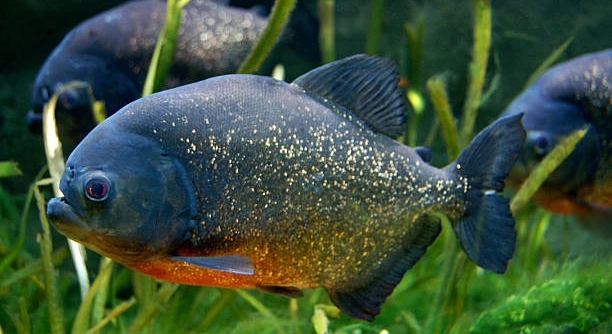
Have you ever watched your piranha swim right past its food without even taking a bite for hours on end?
Some piranhas may ignore food for several hours due to stress, water temperature changes, illness, or simply because they are not hungry. Environmental conditions and individual temperament also play a role in this behavior.
Learning what causes this behavior can help you keep your piranhas healthy and understand their unique feeding patterns better.
Why Some Piranhas Refuse to Eat
Piranhas may ignore food for hours due to several common reasons, and not all of them are cause for concern. A sudden change in environment, such as moving to a new tank, can make them feel unsettled and less likely to eat. These fish are sensitive to shifts in temperature, water quality, and lighting. If any of these conditions aren’t ideal, they may refuse food until things stabilize. Another factor is age—older piranhas can have slower metabolisms and feed less frequently. Illness or internal parasites might also be at play, especially if the piranha shows other signs like unusual swimming patterns or dull coloring. It’s helpful to track behavior changes and tank conditions. A stable and well-maintained setup usually brings back their appetite. Regular water checks and gentle routine can make a big difference in their feeding habits. Sometimes, they just need time and quiet.
Stress is one of the top reasons piranhas stop eating. It often happens after tank cleaning or rearrangement.
Piranhas rely heavily on environmental stability. If the water parameters change—like a slight pH drop or temperature shift—they might stop feeding immediately. They also react to outside activity. Loud noises, tapping on the glass, or too much foot traffic near their tank can cause them to retreat and ignore food. Keeping their space calm and routine will help. Always monitor how they behave during and after feeding. A healthy piranha usually shows curiosity, even if it doesn’t eat right away. If it’s hiding constantly or appears weak, it’s time to check everything from filter function to water chemistry. Tank mates can also create tension. Even in a species tank, dominance struggles can stress out quieter piranhas. If you suspect this, observe during feeding to see who gets pushed aside. These fish thrive best when their environment feels secure. It’s not just about feeding—it’s about how safe they feel while doing it.
When It’s Actually Normal
It’s completely normal for piranhas to skip a meal now and then. Some days, they simply aren’t interested.
Piranhas don’t always follow a strict feeding schedule. In the wild, they go long stretches without eating, depending on prey availability. In a tank, they may replicate this behavior even if food is present. This is more common with adult piranhas who’ve settled into a stable tank and aren’t stressed. These fish are naturally cautious, so if the food looks or smells different than usual, they may wait a few hours—or even a full day—before touching it. It doesn’t mean anything is wrong. You’ll notice that their appetite often returns without needing intervention. Just make sure the uneaten food doesn’t stay in the water too long. Remove it to maintain water quality. If your piranha skips food occasionally but acts normal otherwise, it’s fine. Only when skipping meals becomes frequent or pairs with signs of illness should you look into it further.
Environmental Triggers That Delay Feeding
Lighting changes, tank movement, and water shifts are common reasons piranhas ignore food. These fish need calm, consistent surroundings to feel safe enough to eat. Even cleaning their tank too often can throw them off their rhythm for hours.
Piranhas are sensitive to light. If you suddenly turn on the light or leave it on too long, they may hide instead of eating. Sudden light shifts can make them feel exposed and vulnerable. The same goes for loud noises or tapping—these stressors can send them retreating to tank corners, ignoring their food. Additionally, temperature matters. If your water drops even a few degrees too quickly, they might stop feeding altogether until things stabilize. It’s helpful to keep your tank in a quiet area with consistent lighting and steady temperature. Avoid frequent changes and give them space to adjust when you need to clean or shift equipment.
Water quality is another key factor. Even slight increases in ammonia or nitrate levels can cause feeding pauses. Always test your water weekly, especially after a skipped meal. Piranhas need stable pH levels and clean water to stay active. If you use untreated tap water or forget to dechlorinate, they’ll notice. The more consistent your maintenance, the better their appetite. Make small changes slowly—avoid sudden filter replacements or major gravel cleanings all at once. A steady environment helps them relax and keeps their routine going. Give them time to adjust after changes, and don’t panic if they skip one or two meals.
Behavior Patterns That Influence Eating
Piranhas often follow patterns based on past feeding experiences. If they’re used to eating at night, they might ignore food during the day. Their routines shape how they respond to new feeding times.
Some piranhas prefer to feed when it’s quieter and darker, especially if they’ve been fed in the evening consistently. Changing this routine suddenly—like feeding earlier in the day or introducing new foods without a slow transition—can confuse them. They might ignore the food simply because the timing feels wrong. Additionally, some individuals take longer to warm up to a new tank setup or feeding schedule. If they’re shy or submissive, they’ll often wait until dominant fish finish eating before moving forward. Observing your piranhas over several days can show you their personal rhythm. Stick with a schedule that works for them and avoid trying too many changes at once. Their feeding habits can tell you a lot about how secure they feel in their environment.
Social Dynamics Can Affect Feeding
Piranhas kept in groups often develop a pecking order. Dominant ones may eat first, while quieter fish hang back or skip meals entirely. Watching during feeding time can reveal who’s getting left out.
Some piranhas avoid eating when others act aggressively near food. Even subtle chasing or nudging can cause hesitation.
Signs You Should Be Concerned
If your piranha skips multiple meals, shows little movement, or hides more than usual, it’s time to look closer. A healthy fish may skip food once, but ongoing refusal might point to a deeper issue. Check for signs like faded color, labored breathing, or sudden weight loss. These could mean illness or poor water conditions. If tank tests come back normal and the piranha still won’t eat, try isolating it to reduce stress. You can also offer live or frozen food to spark interest. Monitoring behavior alongside feeding habits helps you catch problems early and adjust care as needed.
Feeding Habits Change Over Time
As piranhas age, they naturally become less active and may eat less often. It’s normal and not always a sign of illness.
FAQ
Why is my piranha ignoring food after a water change?
This happens often. Piranhas are sensitive to changes in their environment. Even a routine water change can unsettle them. The temperature, pH, or chemical balance might have shifted just enough to throw them off. If you use tap water, make sure it’s treated and close in temperature to what’s already in the tank. Let the new water sit before adding it. Also, avoid cleaning too much at once—changing filters, moving decorations, and scrubbing gravel all at the same time can overwhelm them. After a water change, give your piranha a few hours or even a full day to settle. Then offer food again, starting with something familiar.
Can stress stop a piranha from eating?
Yes, stress is one of the top reasons. Loud noises, sudden movements near the tank, aggressive tank mates, or even just a change in feeding time can throw off their appetite. A piranha under stress may hide, stay still, or ignore food completely. Make sure their tank is in a quiet, low-traffic area. Avoid tapping the glass or turning lights on suddenly. Keeping a calm routine helps them feel secure. If your piranha still won’t eat, try dimming the lights and offering food when the environment is quiet.
Is it normal for new piranhas to ignore food?
Absolutely. New piranhas often need a few days to settle in. Being moved from one tank to another is stressful. They may not recognize the food you’re offering, especially if it’s different from what they had before. Try feeding small amounts at first, and remove uneaten food after 10 minutes to keep the water clean. Stick to familiar foods like bloodworms or cut fish pieces. Over time, they’ll start to associate feeding time with safety.
How long can a healthy piranha go without eating?
A healthy adult piranha can go several days without food, sometimes up to a week, especially if they’ve been stressed or had a major tank change. Young piranhas should eat more often, but even they can skip a day or two without serious problems. If your fish looks healthy and active, a skipped meal isn’t a major concern. Just keep an eye on water quality and behavior. When they’re ready, they’ll usually return to food without much trouble.
Should I feed my piranha live food if it’s not eating?
Live food can spark interest, but it’s not always necessary. Frozen bloodworms, raw shrimp, or small pieces of fish are often just as effective. That said, if your piranha ignores everything else, live food might trigger a feeding response. Use it carefully and sparingly. Don’t rely on it long-term, as it can carry disease or lead to aggression. Try offering live food once, then rotate back to their regular diet. Over time, they’ll likely start eating more consistently.
What signs mean I should be worried about my piranha?
If your piranha stops eating and also shows signs like clamped fins, unusual spots, frayed tails, or cloudy eyes, it’s time to investigate further. Lethargy, erratic swimming, or hanging at the surface are also red flags. Test the water immediately and double-check temperature, pH, ammonia, and nitrate levels. If everything checks out and the behavior continues, consider isolating the fish. In some cases, they may have a parasite or infection. Look for bloating, stringy poop, or odd marks on the body. Early treatment can make a big difference in recovery.
Final Thoughts
Piranhas can be unpredictable when it comes to food. While some eat regularly without issue, others may go hours or even days without showing interest. This behavior can be worrying, especially if you’re used to seeing your fish eagerly chase after meals. But in many cases, it’s not a sign of something serious. These fish can react strongly to small changes in their environment. A new tank decoration, different lighting, a recent water change, or even a change in the type of food offered can make them stop eating for a short time. It’s important to stay calm and give them space. Often, they just need a little time to feel secure again before resuming their normal eating habits.
It helps to keep a close eye on how your tank is set up. Double-check your water parameters regularly to make sure everything stays balanced. Use a test kit to check ammonia, nitrite, nitrate, and pH levels. Keep the water temperature consistent, and avoid sudden changes in lighting or tank layout. If you notice your piranha has skipped a meal, give it some time before offering food again. Avoid overfeeding or leaving food in the tank too long, as that can cause the water to get dirty. Dirty water leads to stress, and stress leads to more food refusal. If your fish is hiding or acting differently, try offering a favorite food in a quiet setting. Most of the time, once the environment feels stable, they’ll eat again without much trouble.
Feeding piranhas takes a bit of patience. It’s not always about offering more food or changing their diet. Sometimes, it’s about making sure the tank feels safe and calm. If your piranha continues to ignore food but looks healthy and behaves normally, you likely don’t need to worry. Just keep observing. But if other signs appear—like strange spots, gasping, or changes in color—then it may be time to look into possible health issues. No two piranhas act exactly the same, and what works for one may not work for another. The key is to watch closely, respond with small adjustments, and be consistent. Over time, you’ll learn what your piranha prefers and how to support it when its appetite disappears for a while.

Hello,
If you enjoy the content that we create, please consider saying a "Thank You!" by leaving a tip.
Every little bit helps us continue crafting quality advice that supports the health, happiness, and well-being of pets around the world, for pets of all shapes, sizes, and species.
We really appreciate the kindness and support that you show us!