
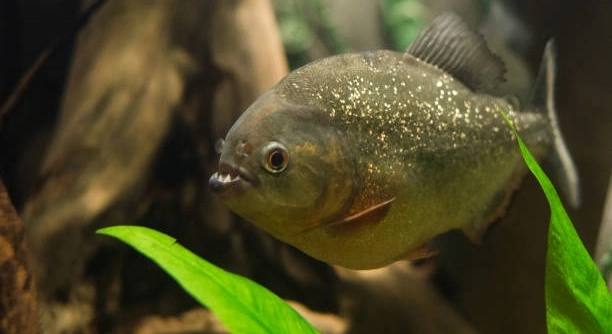
Are your piranhas looking less active or behaving in ways that seem off from their usual patterns of swimming and feeding?
The seven most important water parameters every piranha owner should monitor include temperature, pH, ammonia, nitrite, nitrate, hardness, and chlorine levels. Each factor plays a crucial role in maintaining fish health and preventing stress.
Learning how to manage these water conditions can help you avoid common mistakes and support a stable, safe environment for your piranhas.
Temperature Stability Matters
Maintaining a steady water temperature is one of the most important things you can do for your piranhas. These fish thrive in tropical waters, and their ideal range is between 75°F and 80°F. Sudden drops or spikes can make them stressed or ill. A reliable aquarium heater and thermometer are key to keeping this under control. It’s also important to place the tank away from windows or vents that can affect temperature. Be sure to check the temperature daily. Even slight changes that go unnoticed can have long-term effects on your piranhas’ health and behavior.
Temperature fluctuations often lead to reduced appetite and increased aggression among tank mates.
When temperatures fall outside the ideal range, your piranhas may begin to show signs of discomfort. They may swim erratically, hide more than usual, or become sluggish. Keeping a stable temperature helps them stay active, eat properly, and live longer in your care.
pH Levels Should Be Balanced
A neutral to slightly acidic pH, around 6.5 to 7.5, works best for piranhas.
Testing your tank’s pH weekly helps prevent hidden stress on your fish. When the pH is too high or too low, it can weaken your piranhas’ immune system. This makes them more likely to get sick, even if other water parameters seem fine. Tap water often contains minerals or additives that change pH, so it’s important to test your source water too. If you need to adjust the pH, do it slowly. Rapid changes can cause more harm than good. Using driftwood, almond leaves, or pH conditioners designed for aquariums are common ways to manage pH levels safely. Always monitor your changes over a few days and avoid relying on one-time fixes. Stable pH creates a safer, more natural space for your fish.
Ammonia Levels Must Stay at Zero
Ammonia is toxic to piranhas, even in small amounts. It comes from fish waste, leftover food, and decaying plants. If not removed, it can burn their gills, cause stress, and lead to death.
Testing ammonia levels with a liquid test kit is the most accurate way to keep track. A reading above 0 ppm means something is wrong. Overfeeding is a common cause, so only feed what your piranhas can eat in a few minutes. Regular water changes and a strong filter help prevent ammonia from building up. If you see signs like gasping at the surface or red streaks in the fins, test your water right away. Use products like ammonia detoxifiers in emergencies, but always look for the root cause. A stable, well-maintained tank rarely has ammonia problems when cared for properly.
When setting up a new tank, allow it to cycle fully before adding your piranhas. During this process, beneficial bacteria grow and break down waste, converting ammonia to safer compounds. Skipping this step is one of the main reasons ammonia levels spike. If your tank is already running, check that your filter media isn’t clogged or worn out. Good filtration keeps ammonia under control, especially in tanks with large or messy fish like piranhas.
Nitrite Spikes Are Dangerous
Nitrite comes after ammonia in the nitrogen cycle and should also be kept at zero. Even small amounts are harmful and can cause long-term damage to your piranhas’ health.
If nitrite levels rise, it usually means the beneficial bacteria that process nitrite into nitrate aren’t working properly. This can happen in new tanks, after a deep cleaning, or if you’ve recently changed filter media. Signs of nitrite stress include rapid gill movement and strange swimming. To lower nitrites, perform water changes right away and consider adding bacteria supplements. Aquarium salt, used carefully, can also reduce the effects of nitrite toxicity. Monitor your readings daily until levels are back to zero. Keeping your tank stable and doing regular maintenance can prevent most nitrite issues. Avoid overstocking the tank and make sure your filter is strong enough to handle your bio-load. Healthy bacteria are key to keeping your piranhas safe.
Nitrate Should Be Kept Low
Nitrate is less harmful than ammonia or nitrite, but high levels over time can still affect your piranhas’ health. It can cause stress, poor growth, and lower immunity, especially if it stays above 40 ppm.
Regular water changes are the most effective way to keep nitrate levels low.
Water Hardness Affects Health
Water hardness refers to the amount of dissolved minerals like calcium and magnesium. Piranhas prefer soft to moderately hard water, with a general hardness (GH) of 4–12 dGH. Too much hardness can cause stress, while too little may affect biological functions like digestion and bone development. Test hardness monthly, especially if using tap water. If your water is too hard, you can mix in reverse osmosis water or use water softening pillows. Avoid drastic changes. Make any adjustments gradually, and always monitor your fish for changes in behavior or appetite. Keeping a steady mineral balance supports long-term health.
Chlorine Must Be Removed
Tap water often contains chlorine or chloramine, which are harmful to fish. Always use a water conditioner when adding tap water to the tank. Chlorine burns gills and can damage beneficial bacteria in your filter.
FAQ
How often should I test the water parameters for my piranhas?
Testing water parameters at least once a week is a good routine for piranha owners. Some parameters like temperature and ammonia may need checking more frequently, especially in new tanks or if your fish show signs of stress. Regular testing helps catch problems early before they become serious.
What is the best way to perform water changes without shocking my piranhas?
Perform water changes slowly, replacing 20-30% of the tank water every one to two weeks. Use a water conditioner to remove chlorine and match the new water’s temperature and pH closely to the tank’s water. Sudden changes in water quality or temperature can shock your fish and cause health issues.
Can I use tap water directly in my piranha tank?
Tap water often contains chlorine or chloramine, which are harmful to fish. Always treat tap water with a water conditioner before adding it to the tank. It’s also important to check the pH and hardness of your tap water to make sure it fits within safe ranges for piranhas.
What should I do if ammonia or nitrite levels spike suddenly?
If you notice a spike, do a partial water change immediately to dilute the toxins. Check your filter to make sure it’s working properly and not clogged. Adding beneficial bacteria supplements can help restore the biological balance in your tank. Avoid feeding your fish for a day or two to reduce waste production.
How can I keep my piranha tank’s pH stable?
Avoid using chemicals or additives that cause rapid pH changes. Use natural methods like adding driftwood or Indian almond leaves to lower pH slowly if needed. Test the pH regularly and adjust gradually to prevent stress. Stability is more important than hitting a perfect number.
Why is my piranha behaving aggressively even though water parameters look fine?
Piranhas naturally display territorial and aggressive behavior, especially in smaller tanks or if overcrowded. Poor tank size, lack of hiding places, or stress from frequent water changes can increase aggression. Make sure the tank is spacious, provide enough decorations for hiding, and maintain consistent water quality.
Is it safe to use aquarium salt in my piranha tank?
Aquarium salt can help reduce stress and treat minor infections, but use it sparingly. High salt concentrations can harm piranhas, so only add small amounts according to product instructions. Avoid salt if your tank has live plants, as it can damage them.
What signs show that my water quality is affecting my piranhas?
Look for symptoms like gasping at the surface, clamped fins, faded colors, reduced appetite, or unusual swimming patterns. These signs often indicate poor water quality or toxic substances in the tank. Testing water parameters immediately is important to identify and fix the issue.
Can overfeeding cause water quality problems?
Yes, uneaten food decomposes and increases ammonia levels, harming your fish. Feed your piranhas only what they can finish in a few minutes, and remove any leftovers. Balanced feeding supports cleaner water and healthier fish.
How do I maintain beneficial bacteria in my aquarium?
Avoid cleaning the filter media with tap water, which kills good bacteria. Instead, rinse it gently in tank water during water changes. Keep the filter running continuously and avoid over-cleaning. Beneficial bacteria convert harmful ammonia and nitrite into less toxic nitrate, so maintaining their population is essential for water quality.
Taking good care of your piranhas means paying close attention to their water conditions. The seven water parameters discussed—temperature, pH, ammonia, nitrite, nitrate, hardness, and chlorine—are the basic building blocks of a healthy aquarium. Each one plays a specific role in keeping the fish comfortable and safe. When any of these factors fall out of balance, your piranhas can become stressed or sick. Stress often leads to weakened immune systems and makes them more vulnerable to disease. By regularly testing and adjusting these parameters, you create a stable environment where your fish can thrive.
It’s important to remember that consistency is key. Sudden changes, even if well-intentioned, can do more harm than good. For example, rapidly changing the pH or temperature can shock your fish and cause long-lasting damage. Instead, make small adjustments over time and always monitor your fish’s behavior. Regular water changes, proper feeding habits, and good filtration also support water quality. When you notice early signs of trouble, such as unusual swimming patterns or loss of appetite, test your water first. Most common problems come from imbalances in the water, so catching them early helps prevent bigger issues.
Overall, owning piranhas requires commitment but can be very rewarding when done right. These fish need care beyond just feeding. Understanding and managing water parameters protects your investment and ensures your piranhas live healthier, longer lives. Take the time to learn about each factor, use reliable test kits, and develop a routine for maintenance. This effort pays off with more active, vibrant fish and a more enjoyable aquarium experience. By focusing on water quality, you build a strong foundation for piranha care that leads to success.

Hello,
If you enjoy the content that we create, please consider saying a "Thank You!" by leaving a tip.
Every little bit helps us continue crafting quality advice that supports the health, happiness, and well-being of pets around the world, for pets of all shapes, sizes, and species.
We really appreciate the kindness and support that you show us!