
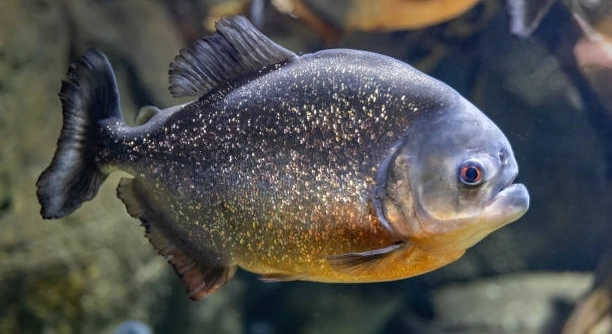
Have you ever been fascinated by the mysterious world of piranhas, only to wonder why their numbers don’t explode in the wild?
Piranha reproduction can be disrupted by several environmental and biological factors, including water temperature fluctuations, pollution, lack of shelter, overfishing, stress, changes in food supply, and competition from other species.
Understanding these factors can give more insight into the delicate balance required for piranhas to successfully reproduce in their natural habitat.
Temperature Fluctuations Affect Breeding Patterns
Piranhas rely on consistent water temperatures to reproduce successfully. Sudden changes, even by a few degrees, can delay or completely halt their breeding process. In their natural environment, piranhas usually spawn during the warmer months when the water temperature stays between 75°F and 85°F. A stable temperature encourages hormonal changes that trigger spawning behaviors. But when temperatures drop quickly due to heavy rains or upstream dam releases, the conditions become unfavorable. Eggs may not develop properly, or adults may avoid nesting altogether. Temperature also affects the metabolism of both adults and fry, making feeding and growth difficult during cooler periods.
Changes in water temperature can interfere with the timing of piranha reproduction, leading to fewer offspring and weaker fry.
Even in controlled aquarium settings, breeders must carefully monitor temperature levels. Using a reliable heater and thermometer helps maintain the correct conditions. Stability matters more than short-term spikes. Small shifts can delay mating by days or weeks, especially if combined with other stressors. In wild rivers, climate change has increased temperature unpredictability, creating additional obstacles for piranhas. They may skip breeding seasons or produce smaller batches of eggs. This makes temperature one of the more delicate factors that needs to be managed or understood when considering piranha reproduction.
Pollution in Freshwater Habitats
Water pollution has made breeding harder for many piranhas living in rivers and flooded forests.
Toxic substances like pesticides, heavy metals, and industrial runoff change water quality in ways that affect spawning. Eggs are especially vulnerable. Even low levels of pollution can reduce their chance of survival by weakening their shells or interrupting development. Pollutants can also affect adult behavior. Piranhas might avoid breeding in polluted waters or abandon their nests altogether. In some areas, polluted rivers have seen sharp declines in piranha numbers. This makes pollution a major concern for people trying to protect or breed piranhas. Long-term exposure can lead to health issues that affect not just reproduction but overall population growth.
Efforts to reduce pollution are essential for maintaining healthy piranha populations. Cleaning up rivers, reducing pesticide use, and managing industrial waste all help. For aquarium keepers, using clean, treated water and regular testing can go a long way in providing a safe environment.
Lack of Nesting Sites
Piranhas need safe, hidden spots to lay and protect their eggs. Without these, they often avoid breeding altogether. Areas with dense underwater plants or soft sediment are ideal. If these spots are missing, reproduction slows down or stops entirely.
In the wild, piranhas often seek quiet, shallow areas with thick aquatic vegetation for nesting. These areas protect the eggs from predators and provide shelter for the fry once they hatch. When water levels drop or vegetation is cleared for development or fishing access, suitable nesting areas disappear. This causes breeding pairs to scatter, reducing the chance of successful spawning. In tanks or controlled environments, lack of artificial shelters like driftwood or plants can cause similar issues. Creating hiding spots using safe materials encourages mating behavior and increases fry survival. Without a secure nesting area, the eggs are exposed and usually don’t survive long.
In rivers affected by deforestation or sediment buildup, natural nesting sites are harder to find. Piranhas might still pair up and display mating behavior, but without the right substrate or shelter, they will not lay eggs. Even if they do, the survival rate drops sharply. In conservation settings, adding artificial nesting areas has improved reproduction rates. This simple adjustment can support populations in recovering habitats or captivity.
Overfishing and Human Activity
Frequent fishing in breeding zones lowers adult populations and disrupts piranha breeding patterns. Nets and traps placed during spawning season catch reproductive adults, reducing the number of viable pairs. Loud motorboats and water traffic can scare fish away from nesting areas.
Overfishing doesn’t just reduce numbers—it removes the strongest, most fertile adults from the population. These are the ones most likely to produce healthy offspring. When too many breeding-age fish are caught, it leads to smaller, weaker groups that struggle to maintain reproduction. This is especially harmful during the peak of breeding season. Human activity like clearing vegetation along riverbanks or dumping waste into water systems can also damage spawning grounds. These changes alter water chemistry, temperature, and flow, making it difficult for piranhas to find safe places to breed. Community education and seasonal fishing bans can help restore balance, allowing fish to repopulate and continue their natural life cycle.
Stress from Crowding
When piranhas are kept in crowded conditions, they become aggressive and anxious. This stress reduces their interest in mating. In the wild, overcrowded waters due to drought or habitat loss can cause similar issues and disrupt normal reproductive behaviors.
Too many fish in a small space also leads to poor water quality. Waste builds up faster, reducing oxygen levels and making it harder for fish to stay healthy. In such environments, reproduction is often delayed or avoided altogether. Keeping group sizes reasonable and the environment clean is important for successful breeding.
Changes in Food Supply
Piranhas need steady access to high-protein foods before and during the breeding season. In the wild, their diet shifts with the seasons. If food becomes scarce due to pollution, climate change, or overfishing of their prey, their bodies may not produce the hormones needed for spawning. Low energy levels can cause delays in reproduction or smaller egg batches. In captivity, providing a balanced diet with enough live or frozen protein sources can help mimic natural conditions. Missing this key step often results in low breeding success, even if the water and space conditions are perfect.
Competition from Other Species
Other fish can compete with piranhas for space and resources. This makes nesting harder. Predators or larger fish may even eat piranha eggs or fry, lowering survival rates.
FAQ
What causes temperature changes to affect piranha reproduction?
Piranhas are sensitive to water temperature because it controls their metabolism and hormone levels. When temperatures drop or rise too quickly, it disrupts their breeding cycle. Eggs may fail to develop properly, and adults might delay or avoid spawning. Stable temperatures create ideal conditions for reproduction.
How does pollution specifically harm piranha eggs?
Pollution introduces toxins like pesticides and heavy metals that can weaken the egg membranes or cause deformities during development. Polluted water also reduces oxygen levels, which eggs need to survive. Adult piranhas may avoid laying eggs in contaminated areas, lowering overall reproduction success.
Why do piranhas need specific nesting sites?
Nesting sites protect eggs and fry from predators and strong currents. Dense plants or soft sediment offer shelter and stable conditions for eggs to develop. Without these safe spots, eggs are exposed and vulnerable, reducing the chances of survival.
Can overfishing really impact piranha populations that much?
Yes. Overfishing removes many of the breeding adults, especially the strongest and most fertile fish. This decreases the number of pairs that can spawn, leading to fewer offspring. Over time, this causes population declines and disrupts the natural balance.
How does crowding cause stress in piranhas?
Crowding increases competition for food and space, leading to aggression and anxiety. Stress hormones rise, which can suppress mating behavior and lower fertility. Poor water quality from overcrowding also affects fish health, further reducing reproduction chances.
What role does food availability play in piranha reproduction?
Piranhas need enough high-protein food to build energy for spawning. If their diet lacks quality food, their bodies won’t produce the necessary hormones for reproduction. Scarcity of prey in the wild or poor feeding in captivity can delay or reduce breeding success.
How do other fish species interfere with piranha reproduction?
Competing fish may take over prime nesting areas or consume piranha eggs and fry. Predators reduce the survival rate of young piranhas. This competition limits the number of offspring that grow to adulthood, affecting population growth.
What can be done to improve piranha reproduction in captivity?
Maintaining stable water temperature, providing clean water, enough hiding places, and a balanced diet helps. Avoid overcrowding and monitor water quality regularly. Replicating natural conditions as much as possible increases the chances of successful breeding.
Is it possible for piranhas to recover from breeding disruptions in the wild?
Recovery depends on how severe the disruptions are and if the habitat is protected. Reducing pollution, enforcing fishing limits, and restoring nesting sites help populations bounce back. If conditions improve, piranhas can gradually return to normal breeding patterns.
Why is monitoring water quality important for piranha breeding?
Poor water quality stresses fish and reduces oxygen, harming both adults and eggs. Pollutants can cause diseases or deformities in fry. Regular testing and filtration maintain a healthy environment, crucial for reproduction and fry survival.
Piranha reproduction depends on many different factors working together smoothly. From stable water temperature to clean environments and enough food, each part plays an important role. When any one of these things is off, piranhas may struggle to breed or have fewer healthy offspring. Understanding these challenges helps us see why piranha populations don’t always grow quickly, even though these fish are known for being strong and aggressive. It is important to remember that their environment must be just right for reproduction to happen successfully.
Many problems that disrupt piranha reproduction come from human activities. Pollution, overfishing, and habitat destruction all make it harder for piranhas to find good nesting sites and maintain healthy populations. For example, polluted water can harm eggs, and overfishing removes the adult fish needed to produce the next generation. Human development along rivers can also clear away plants and shelter that piranhas rely on for safe breeding. While piranhas are adaptable, they still depend on natural conditions that are becoming harder to find in some areas. Protecting their habitats and managing resources responsibly is key to helping these fish continue to reproduce and thrive.
In places where people keep piranhas in tanks or aquariums, careful attention to their needs can improve breeding success. Providing stable temperature, clean water, enough space, and proper food all make a difference. Artificial nesting areas and less crowded tanks also encourage spawning behavior. By recreating natural conditions as closely as possible, breeders can support piranhas through their reproduction cycles. Whether in the wild or captivity, understanding and managing the factors that affect reproduction is essential. This knowledge helps ensure that piranhas remain a healthy part of their ecosystems for years to come.

Hello,
If you enjoy the content that we create, please consider saying a "Thank You!" by leaving a tip.
Every little bit helps us continue crafting quality advice that supports the health, happiness, and well-being of pets around the world, for pets of all shapes, sizes, and species.
We really appreciate the kindness and support that you show us!