
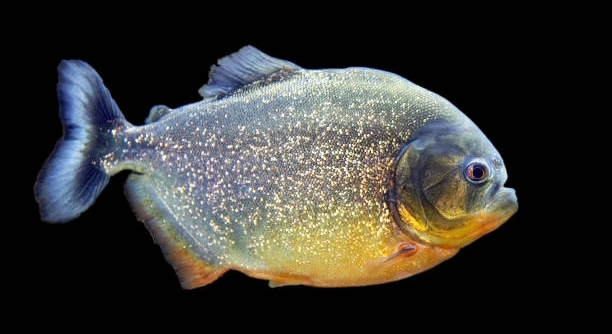
Do you ever find yourself wondering how to keep your piranha healthy and thriving in its tank over the long term?
The best way to boost a piranha’s immune system is by combining clean water, proper nutrition, temperature regulation, and reducing stress. Each of these factors plays a critical role in supporting immune function and overall fish health.
From diet choices to water quality tips, this article explores practical steps you can take to help your piranha stay strong and vibrant.
Maintain Clean Water Conditions
Clean water is one of the most important things you can give your piranha. Dirty water can weaken its immune system and make it more likely to get sick. Use a good filter that matches the size of your tank. Test the water regularly for ammonia, nitrites, and nitrates. Perform partial water changes every week, replacing about 25% of the tank’s volume with fresh, dechlorinated water. Don’t let leftover food sit too long at the bottom. Remove it within a few minutes after feeding. Good water quality helps reduce stress and supports healthy organs and skin, both of which are essential for immunity. Avoid using any cleaning products in or around the tank. Even a small amount of chemicals can upset the balance and make the environment unsafe for your fish. Consistent care goes a long way in helping your piranha stay strong and healthy over time.
A stable environment gives your piranha fewer reasons to feel stressed and more chances to stay healthy.
When the water is clean and the filter works properly, your fish has the best chance at staying well. Most diseases in aquarium fish start when water conditions are ignored. Even experienced fish keepers sometimes overlook how quickly ammonia levels can rise. A test kit should be used weekly. Water temperature is another key element. Piranhas prefer water that stays between 74–82°F (23–28°C). Sudden changes in temperature can shock their systems. If the temperature drops too low or rises too high, their immune response weakens. Keep a thermometer in the tank and make adjustments slowly if needed. A heater with a built-in thermostat can help maintain a steady temperature. Good lighting and proper tank size also matter. Cramped spaces or too much light can lead to stress, which in turn affects health. Aim for at least a 40-gallon tank for one adult piranha.
Provide a Balanced Diet
A poor diet lowers the strength of your piranha’s immune system and slows recovery from common illnesses.
Feeding your piranha a proper diet is essential for keeping its immune system strong. In the wild, piranhas eat a variety of foods. In a tank, try to mimic that variety with a mix of proteins and vegetables. You can offer high-quality pellets as a base, then supplement with frozen fish, shrimp, or worms. Avoid feeding them only live feeder fish, as this can introduce parasites and bacteria. Fresh vegetables like spinach or peas, offered occasionally, can provide additional vitamins. Feed once a day in small portions to prevent waste buildup in the tank. Vitamins A, C, and E are especially important for immune health. You can use fish-safe supplements if needed. Remove uneaten food to keep water clean. A strong immune system starts with what your piranha eats. Choosing the right food helps it stay healthy and fight off infections more easily.
Reduce Stress in the Tank
Stress can weaken your piranha’s immune system and make it more likely to get sick. Avoid loud noises, sudden movements, or frequent tapping on the tank. Provide plenty of hiding spots and keep the tank in a quiet area away from high traffic.
When piranhas feel threatened or uncomfortable, their stress levels go up. This weakens their immune system and makes them more likely to develop infections or other health problems. Try not to rearrange the tank often, as changes in territory can increase aggression. Use tank decorations like driftwood or plants to create safe zones. Keep lighting soft and consistent—too much brightness can stress them. Also, avoid overcrowding. Piranhas are territorial and need their space. A stressed fish may act more aggressively or refuse to eat. Pay attention to their behavior and adjust their environment when needed to keep them calm and balanced.
Another factor that raises stress is poor tankmate selection. Piranhas are best kept alone or with other piranhas of similar size, depending on the species and tank size. Never house them with smaller or slower fish, as this can lead to attacks or injuries. The wrong tankmates create constant tension and disrupt normal behavior. If you keep more than one piranha, make sure there’s enough space and hiding areas to minimize fights. Watch for signs like fin nipping or sudden darting, which can mean the tank setup isn’t working. Keeping the environment predictable helps your piranha feel secure, which supports a stronger immune response over time.
Monitor Temperature Closely
Water temperature that’s too high or too low causes problems with digestion and immune system function. Use a reliable heater with a thermostat to keep things steady and avoid sudden temperature swings during weather changes or power outages.
Piranhas need water that stays within a safe range—about 74–82°F (23–28°C). If the temperature drops too low, your fish may become sluggish and more likely to get sick. If it gets too high, oxygen levels in the water drop, which can cause stress and breathing issues. It’s best to check the temperature daily using a tank thermometer placed where you can easily see it. Try not to place the tank near a window, radiator, or air vent, as these areas can cause quick changes in heat. Keep the lid closed tightly to maintain a stable climate inside the tank. Stability is more important than trying to hit one perfect number.
Quarantine New Fish
New fish can carry parasites or bacteria that may harm your piranha. Always quarantine new arrivals in a separate tank for at least two weeks before adding them to the main tank. This step lowers the risk of spreading infections.
During quarantine, watch closely for signs of illness like spots, unusual swimming, or loss of appetite. Treat any issues before moving the new fish. Even if the new fish looks healthy, they can still carry problems that don’t show right away. This extra care helps protect your piranha’s health and keeps the tank safe.
Use Immune-Boosting Supplements
Adding immune-boosting supplements to your piranha’s diet can help support its natural defenses. Look for products with vitamins C and E, as well as beta-glucans and garlic extract. These ingredients are known to help fish fight off disease more easily. You can mix liquid supplements into their food or choose pre-soaked pellets. Follow the instructions carefully to avoid overuse. Supplements are not a replacement for good care, but they can give your piranha a helpful boost—especially after stress, illness, or during seasonal changes. When used correctly, they strengthen the immune system and improve recovery.
Clean Equipment Regularly
Dirty equipment can spread harmful bacteria in your tank. Clean filters, nets, and other tools with hot water and let them dry fully before reuse. Avoid soap or harsh chemicals.
FAQ
How often should I feed my piranha to keep it healthy?
Feed your piranha once a day with a portion it can finish in 2–3 minutes. Overfeeding causes leftover food, which pollutes the water and leads to stress or illness. Use high-quality pellets as a base, and occasionally offer frozen fish, shrimp, or bloodworms. Adult piranhas don’t need daily live food. Keep the diet varied and avoid feeding just one type of food over time. Watching their appetite is also important—if they stop eating or seem disinterested, check the tank conditions and water parameters. Clean feeding keeps the tank safe and supports immune function.
What signs should I look for to know if my piranha is stressed or sick?
Piranhas that are stressed or unwell often show signs like hiding more than usual, swimming in odd patterns, or refusing to eat. They may breathe rapidly or hover near the surface. Torn fins, white spots, or changes in skin color can also point to health problems. Aggression outside normal behavior—such as fighting when they’re usually calm—can mean the environment is off. Don’t ignore small changes. Often, these early signs can help you catch an issue before it gets worse. Test the water, check the heater, and make sure the tank setup hasn’t been disrupted.
Can I keep more than one piranha in the same tank?
Yes, but only if the tank is large enough. Piranhas are territorial and need plenty of space. For two adult piranhas, a tank of at least 75–100 gallons is ideal. Add hiding spots and break up sight lines with plants or driftwood. Even then, aggression can still happen, so monitor them closely. If one piranha is constantly being chased or bitten, it may be safer to separate them. Some species tolerate groups better than others. Do your research on the specific type you’re keeping, and be ready to adjust if they don’t get along.
What’s the safest way to clean a piranha tank without stressing the fish?
Clean the tank by changing 25% of the water once a week. Use a siphon to remove debris from the gravel and avoid stirring up too much at once. Never use soap or harsh chemicals. Clean the glass with an algae scraper or sponge made for aquariums. Rinse filter sponges with old tank water—not tap water—so you don’t kill the helpful bacteria. Try to clean at the same time each week, so the fish can get used to the routine. Move slowly and avoid sudden splashes or noise to reduce stress.
Do immune-boosting supplements really work?
They can help, especially when your piranha is recovering from illness, facing stress, or during seasonal changes when immunity might dip. Supplements with vitamin C, vitamin E, garlic, or beta-glucans support natural defenses. Use them as part of a balanced care routine, not as a fix for poor water quality or a bad diet. Always follow the dosage instructions. Too much of any supplement can do more harm than good. They’re most effective when combined with clean water, good food, and a calm tank environment.
How long can a piranha live with proper care?
With the right care, piranhas can live up to 10 years or longer in captivity. Some even reach 15 years. Long-term health depends on stable water quality, proper nutrition, and avoiding stress. Skipping regular maintenance or overcrowding the tank can shorten their lifespan. Keep their environment consistent, and don’t make changes too quickly. Piranhas are tough but still need steady conditions to thrive. If you take care of their basic needs and watch for early signs of trouble, they’ll reward you with many years of active, healthy behavior.
Final Thoughts
Caring for a piranha takes time, attention, and steady effort. These fish are strong, but they need a healthy environment to stay that way. A clean tank, balanced diet, and stable water temperature are the most important parts of daily care. If these things are done right, your piranha has a much better chance of staying healthy over the long term. It’s also important to keep stress low. Avoid loud sounds, fast movements, or constant changes in the tank. Even small stressors, when repeated, can wear down their immune system and make them more likely to get sick.
Taking care of one fish might not seem like a lot at first, but there are many small steps that all work together to keep your piranha safe and well. Watching your fish’s behavior helps you notice changes early. When something seems off, act quickly. Often, small adjustments can fix a problem before it gets serious. Using immune-boosting supplements or adding new foods can help from time to time, especially when your piranha is recovering or dealing with stress. Quarantining new fish is another helpful step. It may feel like extra work, but it protects your main tank and avoids long-term problems.
Piranhas can live a long life when they are properly cared for. With the right setup, many stay active and strong for over 10 years. They’re interesting fish that can become familiar with your presence, even if they aren’t social like other species. While they don’t need attention in the same way a dog or cat does, your effort still matters. Keeping their tank in good condition is a responsibility, but also a routine that gets easier over time. The more consistent you are, the more your piranha will benefit. With care and patience, your fish can stay healthy and avoid many common issues. Every part of their setup—water, food, space, and calm surroundings—plays a role in supporting their immune system. Making small changes when needed, and staying informed, will help your piranha stay strong for years to come.

Hello,
If you enjoy the content that we create, please consider saying a "Thank You!" by leaving a tip.
Every little bit helps us continue crafting quality advice that supports the health, happiness, and well-being of pets around the world, for pets of all shapes, sizes, and species.
We really appreciate the kindness and support that you show us!