
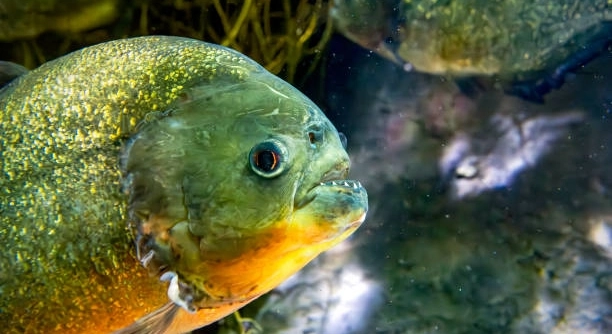
Are your piranhas swimming in cloudy water or acting stressed despite regular tank care? High ammonia levels could be the cause. Learning how to control this can improve both water quality and fish behavior.
Reducing ammonia in a piranha tank involves improving filtration, limiting food waste, performing consistent water changes, and monitoring chemical levels. These methods support a healthier aquatic environment and reduce the risk of ammonia poisoning, which is harmful to fish health.
Knowing what contributes to ammonia spikes can help you make better decisions for your piranha tank’s daily care and overall maintenance.
Perform Regular Water Changes
A clean tank is essential for keeping ammonia levels low. Water changes help remove waste, uneaten food, and decaying material that can increase ammonia. For a piranha tank, changing 25–30% of the water weekly is usually enough to maintain balance. Use a siphon to clean the substrate and vacuum up debris. Avoid changing too much water at once, as it can disrupt the tank’s stability. Always treat tap water with a dechlorinator before adding it to the tank. Piranhas are sensitive to sudden shifts in water quality, so consistency is more important than aggressive cleaning. Monitoring nitrate levels alongside ammonia can help you stay on track, as rising nitrates often signal a need for maintenance. Good tank hygiene creates a safer, more stable environment for your fish, reducing stress and helping prevent illness caused by elevated waste levels.
Stick to a routine schedule for water changes, and adjust based on your tank’s size and bio-load.
If ammonia still rises despite changes, look at other sources like filter function, overfeeding, or too many fish. A clean tank means less stress for your piranhas and fewer problems down the line. Regular water changes are one of the simplest, most effective ways to manage ammonia before it reaches dangerous levels.
Improve Your Filtration System
A weak or poorly maintained filter allows waste to accumulate and ammonia to rise quickly. A strong filter keeps the water moving and supports helpful bacteria.
Mechanical, biological, and chemical filtration all play a role in removing toxins. A good filter traps debris and supports colonies of beneficial bacteria that convert ammonia into nitrite and nitrate. Choose a filter rated for tanks larger than yours, especially with messy fish like piranhas. Clean or replace filter pads regularly, but avoid cleaning all parts at once, as this can remove the helpful bacteria. Rinse filter media in tank water—not tap water—to preserve bacteria. Consider adding extra biological media if your filter allows. If your tank is heavily stocked or your fish are larger, upgrading to a canister filter or adding a second unit can make a big difference. A stronger system can help maintain water clarity, control ammonia, and keep your piranhas healthy and active.
Avoid Overfeeding
Overfeeding adds more waste than your tank can handle. Extra food breaks down and raises ammonia quickly. Feed your piranhas once a day and only what they can finish in a few minutes to reduce excess.
Uneaten food sinks to the bottom and starts breaking down, releasing ammonia into the water. If you notice leftover food after feeding, reduce the amount next time. Try feeding smaller portions and observing how quickly your piranhas eat. Adjust as needed. Use feeding tongs or tweezers to prevent food from scattering throughout the tank. It’s also helpful to remove any remaining food within 10–15 minutes. Frozen foods should be thawed properly, and avoid offering fatty or greasy items. Staying consistent with portions and meal times keeps waste minimal and your water cleaner for longer. Overfeeding is one of the fastest ways to spike ammonia, especially in tanks with poor circulation or underpowered filters.
Controlling how much food enters the tank limits how much ammonia builds up. Piranhas are messy eaters, and uneaten scraps often get trapped in gravel or decorations. Over time, this contributes to poor water quality and stressed fish. Being strict about feeding portions makes tank care easier and keeps ammonia under control without extra effort.
Add Live Plants
Live plants help lower ammonia by using it as a nutrient. Fast-growing species like hornwort, water sprite, or duckweed work well in tanks with meat-eating fish like piranhas.
Plants naturally absorb ammonia, nitrite, and nitrate from the water as they grow. Even though piranhas may nibble or uproot plants, certain floating or rooted options still work. Choose hardy plants that grow quickly and tolerate warm water. Floating plants offer extra coverage and reduce light, which helps with algae control. Adding live plants creates a natural buffer against rising ammonia, especially when combined with strong filtration and regular maintenance. They also support oxygen levels during the day. While plants won’t solve severe ammonia problems alone, they are a useful tool for keeping levels in check. A planted tank looks more balanced and encourages a healthier ecosystem overall. Keep trimming plants and removing dead leaves so they don’t rot and release more waste.
Test Water Frequently
Using a liquid test kit helps you track ammonia before it becomes a serious issue. Testing two to three times a week gives you enough time to catch changes early and take action quickly.
Keep a log of your results to notice patterns over time. Test after feeding, water changes, or adding fish.
Avoid Overstocking
Too many fish in one tank increases waste and stresses the filtration system. Piranhas need space to swim and establish territory. A crowded tank raises ammonia faster than your system can process it.
Clean the Substrate
Food and waste often settle into the substrate and break down slowly. Use a gravel vacuum during water changes to remove debris trapped at the bottom. Regular cleaning helps control ammonia and keeps the tank looking clear.
FAQ
How often should I check ammonia levels in my piranha tank?
You should check ammonia levels at least twice a week, especially in newer tanks or heavily stocked setups. This helps you spot any rise in levels before it becomes dangerous. A liquid test kit gives more accurate readings than strips. If you’re cycling a new tank or have recently made changes to stocking or feeding routines, daily testing may be useful for a short time. Keeping a simple log helps you notice trends and patterns. Monitoring consistently allows you to react quickly and adjust your maintenance schedule before fish health is affected.
Can live plants really make a difference in lowering ammonia?
Yes, live plants help by using ammonia, nitrite, and nitrate as nutrients. Fast-growing plants like hornwort, water sprite, and duckweed absorb waste and improve water conditions. While they won’t replace regular tank maintenance, they do offer support by balancing the water naturally. In tanks with messy eaters like piranhas, it’s best to choose hardy species that can survive some disturbance. Floating plants are especially useful since they aren’t easily uprooted and offer shade. Even a few live plants can make a difference in water quality and help reduce stress in fish by providing cover.
What should I do if ammonia levels spike suddenly?
Start with a partial water change of 25–50% to reduce ammonia right away. Stop feeding for a day or two, clean the substrate, and check if the filter is working properly. Add a water conditioner that detoxifies ammonia temporarily to keep fish safe. If you’ve recently added new fish or changed filters, these actions can disrupt the balance. Keep testing daily until levels return to zero. Avoid adding more fish or making big changes until everything stabilizes. Sometimes, adding extra biological media or bottled bacteria can help speed up recovery in the system.
Can overfeeding once or twice really cause a problem?
Yes, even feeding too much once can raise ammonia levels. Piranhas are messy eaters, and uneaten food breaks down fast. If food isn’t removed quickly, it adds to the waste load. It’s best to feed only what they finish within a few minutes and remove leftovers within 10–15 minutes. Keeping feeding habits consistent helps your filter keep up with the waste. A single large feeding may not crash the tank, but repeated overfeeding quickly causes water quality problems. Clean any uneaten food right away and monitor water parameters closely if a large feeding occurs.
Is it better to use a sponge filter or a canister filter in a piranha tank?
A canister filter is usually the better choice for piranha tanks because it can handle more waste and offers stronger mechanical and biological filtration. Piranhas need powerful filtration due to the mess they create. A sponge filter alone may not provide enough flow or filtration power for their needs. However, sponge filters can still be useful as a secondary option or in smaller tanks. Some keepers combine both to add extra biological filtration and oxygenation. A properly sized canister filter, cleaned on schedule, is enough for most setups and helps keep ammonia in check.
Do piranhas produce more waste than other fish?
Yes, piranhas produce a large amount of waste due to their high-protein diet and aggressive feeding style. They often tear food apart, leaving scraps behind. This leftover material breaks down quickly, leading to more ammonia buildup than with other species. Their size and activity levels also contribute to the waste load. Tanks with piranhas require strong filters and consistent cleaning. Overfeeding and poor tank design (like hard-to-clean decorations or gravel) can make waste management harder. Understanding how much waste they produce helps you set up a routine that keeps the water safe and stable.
Can I add ammonia-neutralizing chemicals regularly?
Ammonia detoxifiers are useful in emergencies or during cycling, but they should not be relied on long term. These products bind ammonia temporarily, but they don’t remove it. You still need a working biological filter to process the waste. If you’re using detoxifiers often, it’s a sign something is off—like overfeeding, overstocking, or a weak filter. It’s better to find the cause and fix it rather than masking the problem. Use these chemicals sparingly and only when absolutely necessary. Maintaining a clean tank and strong filtration makes regular use unnecessary.
What’s the safe ammonia level for piranhas?
The only safe ammonia level in a piranha tank is zero. Even small traces can stress them out, weaken their immune system, and lead to illness. Ammonia burns the gills, making it hard for fish to breathe. If you see any reading above 0 ppm, act immediately with a water change and check your setup. Test kits can sometimes show 0.25 ppm even when the tank is cycling or stable, but long-term exposure at that level is harmful. Aim for stable, ammonia-free water at all times for a healthy piranha tank.
Final Thoughts
Keeping ammonia levels low in a piranha tank is one of the most important parts of maintaining a safe environment for your fish. These fish produce a lot of waste, so extra care is needed to keep the water clean. Regular water changes, proper feeding habits, and strong filtration all play a key role. Testing the water often helps you catch small issues before they turn into larger problems. A healthy tank not only supports your piranhas’ well-being, but also makes daily care much easier. Simple routines can make a big difference over time.
Adding live plants, removing uneaten food, and vacuuming the substrate each week will help lower the waste that leads to ammonia. When setting up or adjusting your tank, always keep the size of your fish and their feeding habits in mind. Using a filter that fits the tank’s needs and cleaning it regularly prevents debris from building up. Monitoring your piranhas’ behavior can also give clues. If they seem less active or eat less, that may mean the water isn’t in good condition. Staying consistent with your care makes it easier to keep things stable and safe for your fish.
If you ever notice a sudden ammonia spike, act quickly with a partial water change and stop feeding until levels go back to normal. Keep testing until the water is back to zero ammonia. Avoid using chemicals too often to fix water problems, since they don’t remove the waste. They are only helpful in certain situations. Instead, focus on keeping your tank balanced through basic care and good habits. Piranhas may be hardy fish, but they still rely on clean water to stay strong. With steady attention and a few simple steps, you can give them a tank that supports their long-term health.

Hello,
If you enjoy the content that we create, please consider saying a "Thank You!" by leaving a tip.
Every little bit helps us continue crafting quality advice that supports the health, happiness, and well-being of pets around the world, for pets of all shapes, sizes, and species.
We really appreciate the kindness and support that you show us!