
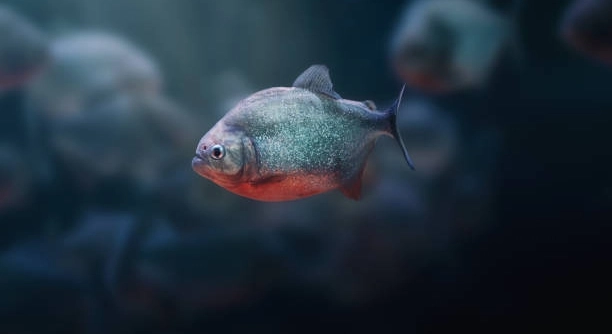
Piranhas have a fierce reputation, but many people keep them as pets. Learning about their behavior and feeding habits is important before interacting with these fish. Handling them safely is a key concern for enthusiasts.
Hand feeding a piranha is possible but requires caution and knowledge. Piranhas have strong jaws and sharp teeth, so feeding by hand should only be done with experience and proper precautions to avoid injury.
Understanding how to feed piranhas safely can improve your care routine and keep both you and your fish safe. This article will explain the best practices and important tips to consider.
How Safe Is Hand Feeding a Piranha?
Hand feeding a piranha can be risky due to their sharp teeth and strong bite force. These fish are natural predators and may react quickly if they feel threatened or hungry. Even if a piranha is used to being fed, there is always a chance of accidental biting. Many keepers recommend using tools like feeding tongs to avoid direct contact. If you decide to hand feed, make sure your movements are slow and calm. Never force the fish to take food from your hand, as this can increase stress and risk of injury. Proper knowledge and experience are essential to minimize danger during feeding.
Using feeding tools is a safer option for both the fish and the person feeding them. It prevents accidental bites while allowing close interaction.
Taking the right precautions helps protect your fingers and keeps your piranha comfortable. Learning the signs of hunger and aggression in piranhas will guide when and how to feed them safely. Hand feeding is possible but should be done carefully and respectfully to avoid harm.
Preparing for Hand Feeding
Before attempting to hand feed, observe your piranha’s behavior closely. Make sure the fish is calm and familiar with its environment. Introduce your hand slowly to the tank to avoid startling the fish. It’s important to have clean hands, free from any strong scents or chemicals, as piranhas can be sensitive to smells. Start by offering food on the palm, and watch how the fish responds. If the piranha shows signs of aggression or fear, stop and try again later.
Keep feeding sessions short and consistent to build trust. Remember that not every piranha will accept hand feeding, so patience is key. Gradual exposure will help reduce stress for both you and your fish. Regularly check the tank conditions and feeding schedule to keep your piranha healthy. Hand feeding should be a safe and calm experience when done properly.
Feeding Tips for Hand Feeding Piranhas
Always use fresh, appropriate food when hand feeding piranhas. Avoid processed or spoiled items, as they can harm your fish. Make sure the food is cut into small pieces that are easy for the piranha to grab. Clean your hands thoroughly before feeding to prevent contamination.
Fresh meat, fish, or specially prepared pellets are good options for piranha diets. Avoid fatty or oily foods that can cause health problems. Offering food in small, manageable pieces helps reduce aggression during feeding time. Be consistent with feeding schedules to keep your piranhas healthy and less likely to react aggressively.
It’s important to watch your piranha’s behavior during feeding. If they seem overly aggressive or stressed, reduce the frequency of hand feeding. Always have tools nearby to intervene if necessary. Feeding by hand should not cause stress or harm to the fish or yourself.
Risks of Hand Feeding Piranhas
Hand feeding carries risks for both the fish and the feeder. Piranhas can mistake fingers for food and bite, which may cause injury. Feeding by hand can also encourage aggressive behavior among fish if not done carefully.
To minimize risks, it’s crucial to know your fish well and understand their moods. Use slow, steady movements and avoid sudden gestures. Never put your whole hand inside the tank; only offer food on your fingertips. Keep feeding sessions short to prevent overstimulation. If your piranhas show signs of aggression, stop hand feeding immediately and switch to safer methods. Proper care and caution reduce risks and help maintain a calm feeding environment.
When to Avoid Hand Feeding
Never hand feed piranhas if they show signs of aggression or stress. Avoid feeding by hand when the fish are overly hungry or during tank maintenance. These moments increase the chance of sudden bites or accidents.
If you feel unsure or nervous, it’s better to use feeding tools. Safety comes first for both you and the fish.
Tools to Use for Safer Feeding
Using feeding tools like tongs or forceps keeps a safe distance between your hand and the piranhas. These tools allow precise control of food placement and reduce the chance of accidental bites. They also help maintain cleaner hands during feeding, which benefits fish health. Choosing the right tool is important for comfort and control.
Signs Your Piranha Is Ready
Look for calm, slow movements when your piranha approaches food. A relaxed fish is more likely to accept hand feeding safely.
FAQ
Can you train a piranha to accept hand feeding?
Yes, with patience and consistent practice, some piranhas can get used to hand feeding. It requires gentle, slow movements and a calm environment. Regular feeding at the same time each day helps build trust. However, not all piranhas will adapt, and their natural instincts may still cause sudden bites.
What types of food are safest for hand feeding piranhas?
Fresh fish, shrimp, and small pieces of lean meat are good choices. Avoid processed foods or anything with added chemicals. Food should be cut into small, manageable pieces to reduce aggression and make feeding easier. Pellets made for carnivorous fish can also be used but should be offered carefully.
Is it dangerous to hand feed a piranha?
Yes, there is always some risk involved due to their sharp teeth and fast reactions. Even a small bite can be painful and cause injury. Using tools like tongs reduces risk, but hand feeding should only be done if you feel confident and understand piranha behavior well.
How do I know if my piranha is stressed during feeding?
Signs of stress include rapid swimming, erratic movements, flared fins, or refusing food. If the fish shows aggressive snapping or biting motions near your hand, it’s best to stop and try again later. Stress can harm your piranha’s health and increase the chance of accidents.
Can hand feeding cause piranhas to become aggressive?
Feeding by hand can increase aggression if not done carefully. Piranhas may compete for food or mistake fingers for prey. Keeping feeding sessions short and offering small pieces of food helps lower this risk. Avoid feeding when multiple piranhas crowd around, as this heightens competition.
Should children hand feed piranhas?
Hand feeding piranhas is not recommended for children due to safety concerns. Piranhas bite quickly and can cause serious injuries. Adult supervision is essential if anyone new to piranhas attempts hand feeding. Using feeding tools is a safer alternative for beginners and younger handlers.
How often can you hand feed a piranha?
Hand feeding should be done sparingly, perhaps once or twice a week, to avoid stressing the fish or encouraging aggressive behavior. Regular feeding with standard methods should still be maintained. Overfeeding can lead to health issues and cause your piranha to become more aggressive.
What should I do if I get bitten by a piranha?
Clean the wound immediately with soap and water to prevent infection. Apply an antiseptic and keep the injury clean and dry. If the bite is deep or bleeding heavily, seek medical attention. Monitor the wound for signs of infection such as redness, swelling, or pain.
Can hand feeding help bond with my piranha?
Hand feeding can help build familiarity between you and your fish, especially if done gently and consistently. It allows you to observe their behavior closely and can reduce fear. However, always respect the natural instincts of piranhas and never force interaction.
Is hand feeding suitable for all piranha species?
Not all piranha species have the same temperament. Some may be more aggressive or skittish, making hand feeding difficult or unsafe. Research your specific species before attempting hand feeding, and consider the individual fish’s behavior and environment.
Final Thoughts
Hand feeding piranhas is something that should be done carefully and with respect for the fish’s natural behavior. These fish are known for their sharp teeth and quick reactions, which means that feeding by hand can be risky if not done correctly. It is important to understand that while some piranhas can get used to hand feeding over time, many still rely on their instincts and may react suddenly. Being patient and cautious is essential to keep both you and the fish safe during feeding.
Using tools like feeding tongs or forceps is often a safer option, especially for beginners or anyone unsure about handling piranhas directly. These tools help maintain a safe distance between your hand and the fish while allowing you to control the food placement easily. Keeping feeding sessions calm and consistent also helps reduce stress and aggression among the fish. If you notice signs of agitation or fear, it is better to stop hand feeding and try again later or stick to using feeding tools.
Ultimately, the goal is to ensure the health and safety of both the piranha and the person feeding it. Proper preparation, slow movements, and clean hands can all contribute to a better feeding experience. Hand feeding is not necessary for every piranha keeper, but it can be a rewarding way to interact with your fish when done right. Always remember to respect the fish’s natural instincts and never force interaction, as this could cause harm or stress. Taking the time to learn and practice safe feeding techniques will help you enjoy your piranha care with confidence.

Hello,
If you enjoy the content that we create, please consider saying a "Thank You!" by leaving a tip.
Every little bit helps us continue crafting quality advice that supports the health, happiness, and well-being of pets around the world, for pets of all shapes, sizes, and species.
We really appreciate the kindness and support that you show us!