
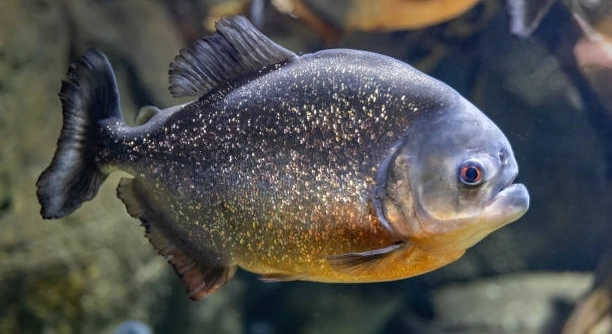
Piranhas are known for their sharp teeth and quick reactions in the water. Sudden movements can startle these fish, causing them to respond aggressively or swim away. Understanding what triggers their reactions helps in interacting safely around them.
Seven specific sudden movements commonly spook piranhas, including rapid splashing, abrupt hand gestures, fast swimming motions, quick changes in direction, sudden loud noises, rapid water disturbances, and sudden drops of objects near them. These stimuli activate their defensive or predatory instincts.
Knowing which actions provoke piranhas can improve safety and reduce stress for both people and the fish in their environment. This knowledge allows for better interaction in aquatic settings.
Rapid Splashing
Rapid splashing near piranhas immediately draws their attention. This sudden disturbance mimics struggling prey, which triggers their instinct to investigate or attack. When water is splashed quickly, it creates vibrations that piranhas detect through their lateral lines, a sensory system designed to sense movement and pressure changes. This can cause the fish to become alert or agitated, ready to defend themselves or seize what they perceive as food. Avoiding sudden splashes when near piranhas is crucial to prevent provoking a reaction. Careful and slow movements in the water are more effective in keeping these fish calm and unthreatened.
Sudden splashing triggers piranhas’ predatory instincts, causing heightened alertness and possible aggression. The vibrations and noise simulate prey struggling in the water.
To reduce stress for piranhas, maintain calm water conditions and avoid fast, erratic splashing. Gradual movements help create a less threatening environment, which minimizes chances of startling the fish. This approach benefits both observers and the fish by promoting a peaceful coexistence in their habitat.
Abrupt Hand Gestures
Abrupt hand movements close to piranhas often lead to defensive reactions. These fish interpret quick, sharp gestures as potential threats or prey attempting to escape. Since piranhas rely heavily on visual cues to assess their surroundings, sudden motions can disrupt their sense of security. A slow and deliberate approach when handling or observing piranhas is essential to avoid provoking aggressive responses. Even if feeding, fast hand movements may cause hesitation or stress.
Sudden hand gestures can startle piranhas, causing them to react defensively or become aggressive. Slower movements reduce stress and improve interaction.
When interacting with piranhas, it is important to maintain controlled, smooth hand motions. This reduces their perception of danger and helps prevent attacks. In aquarium settings or natural habitats, steady hands create a safer environment. Quick motions can escalate tension quickly, risking harm to both the fish and the person. Practicing patience and calmness when near piranhas is the best way to avoid sudden aggressive behaviors triggered by abrupt gestures.
Fast Swimming Motions
Fast swimming motions mimic prey escaping, which instantly grabs a piranha’s attention. Sudden bursts of speed can trigger their chase instinct.
Piranhas are highly responsive to rapid movements in the water. When something moves quickly, they interpret it as fleeing prey and may pursue it aggressively. This behavior is part of their natural hunting strategy, relying on quick reflexes to catch food. Fast swimming motions close by can cause piranhas to become more alert and possibly agitated. Maintaining slow, steady movements when near piranhas reduces unnecessary stress and avoids provoking an aggressive response.
Because piranhas react to sudden speed changes, it is important to control movements in their environment. Quick swimming near them often increases tension, while smooth, deliberate actions promote calm behavior. Understanding their sensitivity to speed helps in managing safer interactions in both wild and captive settings.
Quick Changes in Direction
Sudden changes in direction confuse piranhas and raise their alertness. Sharp turns resemble prey attempting to evade capture, which prompts a stronger response.
Piranhas rely on predictable patterns to assess threats or food. When an object moves erratically, changing direction abruptly, it can signal danger or opportunity. This unpredictable motion challenges their ability to track and decide, often causing a defensive or aggressive stance. Avoiding rapid shifts in direction near piranhas helps keep them calm. This is especially important in close quarters, such as aquariums or small bodies of water.
Being aware of how sudden direction changes affect piranhas is essential. Smooth, linear movements are less likely to cause alarm. Maintaining steady movement patterns improves safety and reduces the chance of provoking a stressful reaction from the fish.
Sudden Loud Noises
Sudden loud noises startle piranhas and disrupt their environment. Unexpected sounds cause stress and defensive reactions.
These noises can come from splashing, banging on the tank, or loud voices near the water. Keeping noise levels low helps maintain a calm atmosphere for the fish.
Rapid Water Disturbances
Rapid disturbances in the water signal possible prey or threats. Piranhas become alert and may react aggressively to such changes.
Sudden Drops of Objects Near Them
Dropping objects quickly into water near piranhas surprises them. This abrupt action can trigger defensive or investigative behaviors.
FAQ
Why do piranhas react so strongly to sudden movements?
Piranhas are instinctively alert to fast or unexpected movements because these often signal prey or danger. Their survival depends on quick reactions to capture food or defend themselves. Sudden actions can trigger their natural instincts to attack or flee, making them highly sensitive to changes in their environment.
How can I safely observe piranhas without startling them?
To avoid startling piranhas, move slowly and steadily near their habitat. Avoid splashing, abrupt hand gestures, or quick changes in position. Keeping noise to a minimum also helps. Gradual and calm movements reduce stress for the fish and allow for a safer observation experience.
Are all piranhas equally sensitive to sudden movements?
Sensitivity to sudden movements can vary depending on species, age, and individual temperament. Some piranhas are naturally more aggressive or cautious, while others may be calmer. Environmental factors such as tank size, population density, and water conditions also influence their reactions.
Can piranhas become accustomed to human presence?
Yes, piranhas can become habituated to humans if approached consistently with calm, slow movements. Over time, they may react less aggressively as they learn there is no immediate threat. However, sudden or fast actions can still provoke a defensive response.
What should I do if a piranha becomes aggressive?
If a piranha shows signs of aggression, avoid sudden movements and back away slowly. Do not attempt to touch or corner the fish. Maintaining a calm environment and minimizing disturbances will help reduce tension and prevent escalation.
Do sudden movements affect piranhas differently in captivity versus the wild?
Piranhas in captivity may be more sensitive to sudden movements due to confined spaces and lack of escape routes. In the wild, they have more room to react and hide. Still, sudden actions can startle wild piranhas and provoke similar defensive behaviors.
Is feeding piranhas by hand safe?
Feeding piranhas by hand is risky because sudden hand movements can trigger bites. It is safer to use feeding tools or drop food slowly to minimize the chance of startling them and avoid injury.
Can sudden movements cause stress in piranhas?
Yes, repeated sudden movements can cause chronic stress in piranhas, weakening their immune system and affecting overall health. Creating a stable environment with minimal sudden disturbances promotes their well-being.
How do piranhas detect sudden movements in the water?
Piranhas use a sensory system called the lateral line, which detects vibrations and pressure changes in the water. This system allows them to sense fast movements and sudden disturbances even in low visibility conditions.
Are there any signs that indicate a piranha is stressed or scared?
Signs of stress in piranhas include erratic swimming, hiding, loss of appetite, or aggressive lunges. Observing these behaviors can help identify when the fish are uncomfortable due to sudden movements or environmental changes.
Final Thoughts
Understanding what sudden movements spook piranhas is important for anyone who spends time near them, whether in the wild or in captivity. These fish are highly sensitive to quick, unexpected actions because of their natural instincts to hunt and protect themselves. Movements like splashing, fast swimming, abrupt hand gestures, and loud noises can trigger defensive or aggressive responses. Knowing how these triggers affect piranhas helps create safer conditions for both the fish and people. By keeping movements slow and calm, it is possible to reduce stress for the piranhas and avoid unnecessary conflicts.
It is also clear that piranhas rely on their senses, especially their ability to detect vibrations and changes in water pressure, to respond to their environment. This sensitivity makes sudden water disturbances particularly effective at catching their attention. In controlled settings, such as aquariums, managing these factors is key to maintaining healthy and less stressed fish. Avoiding loud noises, rapid motions, and sudden changes in direction allows piranhas to remain calm and behave naturally. In the wild, this understanding helps observers maintain a respectful distance and approach slowly to prevent startling the fish.
Taking these precautions benefits both the observer and the piranhas. Minimizing sudden movements improves safety and encourages a peaceful interaction with the fish. It also supports the overall health and well-being of piranhas by reducing their stress levels. Whether you are feeding, observing, or working around piranhas, awareness of these sudden movement triggers ensures better coexistence. Keeping actions deliberate and gentle respects their natural behavior and environment, making time spent near piranhas more successful and less risky.

Hello,
If you enjoy the content that we create, please consider saying a "Thank You!" by leaving a tip.
Every little bit helps us continue crafting quality advice that supports the health, happiness, and well-being of pets around the world, for pets of all shapes, sizes, and species.
We really appreciate the kindness and support that you show us!