
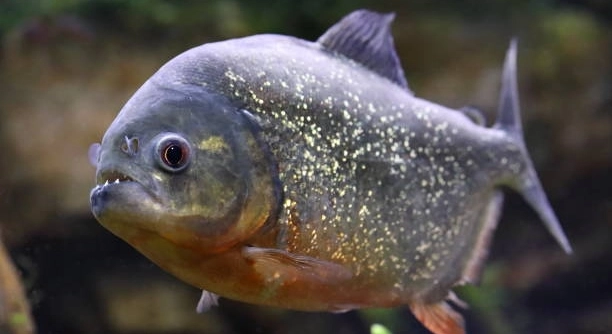
Piranhas are popular aquarium fish that require careful feeding to stay healthy. Overfeeding can cause health problems and affect water quality. Knowing the signs of overfeeding is important for maintaining a balanced environment for your fish.
Overfeeding piranhas often results in excess food remaining uneaten, leading to poor water conditions and increased waste. Symptoms include lethargy, bloating, and frequent swimming near the surface, all indicating digestive distress and potential health risks.
Recognizing these signs early helps prevent serious issues and supports the well-being of your piranha in a home aquarium.
Signs Your Piranha Is Overfed
Overfeeding piranhas often causes visible changes in their behavior and appearance. One common sign is leftover food accumulating in the tank, which can quickly degrade water quality. Your piranha might become less active, spending more time resting or swimming slowly. Bloating is another indication, as overfed fish tend to retain excess food in their stomach, making their bodies appear swollen. You may also notice your fish gasping for air near the water surface because the water’s oxygen level can drop when excess food decomposes. In some cases, the piranha may develop cloudy eyes or show signs of fin rot due to poor water conditions. Regular observation helps catch these symptoms early.
Maintaining proper feeding routines limits stress on your piranha and preserves the tank environment. Recognizing these signs allows timely action to improve your fish’s health.
Addressing overfeeding quickly avoids long-term health complications. Keeping a consistent feeding schedule and measuring food portions helps prevent excess. Feeding only what your piranha can consume in a few minutes reduces waste buildup. Monitoring water quality regularly is crucial since overfeeding accelerates ammonia and nitrate spikes. If signs of overfeeding persist, consider adjusting feeding frequency or consulting an aquatic specialist. Clean the tank frequently to remove uneaten food and maintain stable water parameters. This careful management supports your piranha’s vitality and helps maintain a clean habitat.
How to Adjust Feeding Habits
Adjusting feeding routines is essential to prevent overfeeding and keep your piranha healthy. Feeding smaller portions less often helps maintain balance.
Start by reducing the amount of food offered during each feeding session. Gradually lower the quantity until your piranha finishes its meal within a few minutes. Avoid feeding multiple times a day unless necessary. Consistency in timing is also important, as piranhas thrive on routine. Choose high-quality, nutritionally balanced food designed for carnivorous fish. Observe your fish’s behavior and physical condition to ensure the new feeding plan is effective. Remember to remove any leftover food promptly to keep the tank clean and prevent water issues.
Tracking your piranha’s feeding habits and tank conditions over several weeks will help determine the best feeding schedule. Making gradual changes is less stressful for the fish and allows better control over their diet. Feeding your piranha responsibly promotes longevity and reduces the risk of health problems caused by overfeeding. Maintaining this balance contributes to a thriving, well-maintained aquarium.
Managing Tank Cleanliness
Maintaining a clean tank is vital when dealing with overfeeding. Uneaten food quickly pollutes the water, causing harmful chemical buildup. Regular cleaning prevents this and supports a healthy environment for your piranha.
Frequent water changes help reduce toxins from decaying food. Removing leftover food with a siphon during cleaning stops waste accumulation. Clean filters often to ensure proper water flow and filtration. A well-maintained tank minimizes stress on your fish and lowers the risk of disease. It also keeps the aquarium visually appealing and healthier overall. Neglecting tank cleanliness can lead to cloudy water, algae growth, and unhealthy conditions for your piranha.
In addition to cleaning, monitoring water parameters such as ammonia, nitrites, and nitrates is essential. These levels rise rapidly when excess food breaks down. Using test kits regularly allows you to spot imbalances early and take corrective action. Proper tank management requires commitment but rewards you with a stable, safe home for your fish. Keeping the environment clean supports your piranha’s long-term health and activity.
Choosing the Right Food
Selecting appropriate food is crucial to avoid overfeeding and maintain nutrition. Piranhas require a diet rich in protein, typically from animal sources.
Opt for high-quality pellets or frozen foods designed for carnivorous fish. These foods are nutritionally balanced and reduce waste compared to overfeeding with live or excess food. Avoid feeding large amounts of fatty or processed items, which can cause digestive issues and contribute to obesity. Offering variety prevents boredom and mimics a natural diet, supporting overall well-being. Portion control remains essential even with the best food.
Providing the right food in controlled amounts ensures your piranha receives all necessary nutrients without excess. A consistent feeding plan combined with suitable food choices promotes optimal health and vibrant behavior. This balance also limits the risk of water pollution caused by leftover food. Investing in quality food and managing feeding frequency contributes significantly to your fish’s longevity and tank cleanliness.
Monitoring Your Piranha’s Health
Regular observation of your piranha’s condition is key to spotting overfeeding effects early. Watch for changes in behavior, appetite, and appearance.
Keep a log of feeding times and amounts. Note any unusual signs like lethargy, bloating, or erratic swimming. This helps identify patterns and adjust care accordingly.
Preventing Overfeeding
Limiting feeding frequency is essential. Feed your piranha only once or twice daily, giving just enough food to be consumed quickly.
Avoid free-feeding or leaving food in the tank for extended periods. This practice reduces waste and prevents water quality issues.
The Role of Tank Size
A larger tank dilutes waste more effectively and supports better water quality, helping to prevent problems caused by overfeeding.
A small tank requires more frequent cleaning and careful feeding control to maintain stable conditions and a healthy environment.
Adjusting to Your Piranha’s Needs
Piranhas’ appetites vary by age, size, and activity level. Adjust feeding amounts as your fish grows or changes behavior.
Observe your piranha closely and be flexible in feeding routines to meet its changing needs while avoiding overfeeding.
FAQ
How often should I feed my piranha?
Feeding your piranha once or twice daily is sufficient. Young piranhas may require more frequent feedings, but adult fish do best with controlled portions to prevent overfeeding. Feeding too often increases waste and deteriorates water quality.
What happens if I overfeed my piranha?
Overfeeding leads to leftover food that pollutes the tank, causing ammonia spikes and poor water conditions. Your piranha may become bloated, lethargic, and show signs of stress or illness. Long-term overfeeding can result in organ damage and reduced lifespan.
Can I feed my piranha live food?
Yes, live food such as small fish, insects, or worms can be part of their diet, but it should be given in moderation. Live food can introduce parasites or bacteria if not properly sourced. Balanced commercial foods are safer for regular feeding.
How do I know if my piranha is bloated?
A bloated piranha will have a noticeably swollen belly compared to its usual slim shape. The body may appear rounded or distended, and the fish might struggle to swim normally. This condition often results from excess food or poor digestion.
Is it safe to feed my piranha human food scraps?
Feeding human food scraps is not recommended. Many human foods contain ingredients harmful to fish, such as salt, spices, or oils. Stick to foods formulated for carnivorous fish or safe live options to avoid digestive problems.
How much food is too much?
Feed only what your piranha can finish within 3 to 5 minutes. Any uneaten food left in the tank after this time risks polluting the water. Start with small amounts and adjust based on your fish’s consumption and behavior.
What should I do if I notice leftover food in the tank?
Remove any leftover food immediately using a net or siphon. Regular tank cleaning helps prevent water quality issues caused by decaying food. If leftover food persists, reduce feeding amounts and monitor closely.
Can overfeeding cause diseases in piranhas?
Yes. Overfeeding weakens the immune system and creates poor water conditions that encourage bacterial and fungal infections. Diseases such as fin rot and swim bladder problems are common in overfed piranhas.
How do water changes help with overfeeding problems?
Regular water changes dilute toxins produced by uneaten food and fish waste. They maintain a stable and healthy environment. Performing partial water changes of 20-30% weekly is a good practice to keep the tank balanced.
Should I change my feeding routine if my piranha is sick?
If your piranha is sick, reduce feeding or stop temporarily based on veterinary advice. Overfeeding can worsen illness. Providing a clean environment and proper medication, if needed, supports recovery.
Are pellets better than live food for feeding piranhas?
Pellets designed for carnivorous fish offer balanced nutrition and are less likely to pollute the tank compared to live food. However, mixing pellet feed with occasional live or frozen food mimics a natural diet and provides variety.
What signs indicate my piranha is hungry or full?
Hungry piranhas actively swim near the surface or come to the front of the tank during feeding times. A full piranha will show less interest in food and may swim away or ignore feedings. Over time, appetite changes can signal health or feeding issues.
Can overfeeding affect water parameters?
Yes. Overfeeding increases ammonia, nitrite, and nitrate levels rapidly due to decomposing food and excess fish waste. Poor water parameters stress your piranha and lead to illness. Monitoring water chemistry regularly is crucial.
Is fasting beneficial for piranhas?
Occasional fasting, such as skipping one day of feeding per week, can help prevent digestive issues and improve overall health. It allows the fish’s digestive system to clear and reduces the risk of overfeeding-related problems.
How should I adjust feeding if I have multiple piranhas?
Feed according to the number of fish and their size. Overfeeding multiple piranhas increases waste quickly. Distribute food evenly and monitor that all fish eat but no excess remains. Adjust portions carefully to avoid water quality decline.
Can overfeeding cause behavioral changes?
Overfed piranhas may become less active, show signs of discomfort like erratic swimming, or spend more time near the water surface gasping for air. These changes often indicate stress related to poor digestion or oxygen levels.
Final Thoughts
Proper feeding is essential to keeping your piranha healthy and active. Overfeeding can cause many problems, including poor water quality, health issues, and behavioral changes. By controlling the amount and frequency of food, you create a better environment for your fish. It is important to feed only what your piranha can eat in a short time and avoid leaving leftovers in the tank. This helps prevent water contamination and reduces the risk of illness. Maintaining a consistent feeding schedule supports your fish’s digestion and overall well-being.
In addition to managing food quantity, the type of food you provide matters. High-quality pellets or frozen foods designed for carnivorous fish supply balanced nutrition. While live food can be offered occasionally, relying too much on it may introduce unwanted bacteria or parasites. Variety in the diet keeps your piranha interested and supports natural feeding habits. Alongside feeding, regular tank maintenance, including water changes and filter cleaning, is crucial to prevent the buildup of harmful substances. Monitoring water parameters helps you spot problems early and take corrective action quickly.
Watching your piranha’s behavior and physical condition provides valuable feedback on its health. Signs such as bloating, lethargy, or changes in appetite may indicate overfeeding or other issues. Adjusting feeding amounts, cleaning the tank, and testing water quality will help maintain a safe and healthy habitat. Overfeeding is a common mistake but can be avoided with careful attention and routine care. These simple steps ensure your piranha lives a longer, healthier life in a well-balanced environment.

Hello,
If you enjoy the content that we create, please consider saying a "Thank You!" by leaving a tip.
Every little bit helps us continue crafting quality advice that supports the health, happiness, and well-being of pets around the world, for pets of all shapes, sizes, and species.
We really appreciate the kindness and support that you show us!