
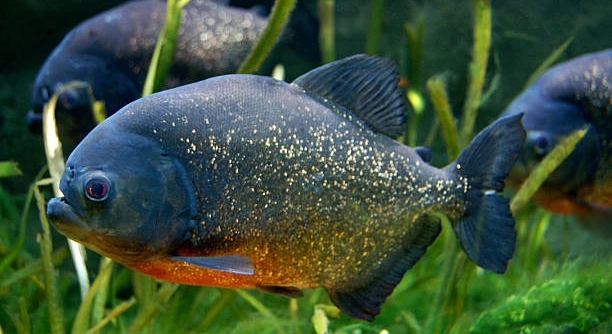
Have you noticed your piranha looking unusually swollen lately? Bloated piranhas can be worrying for any fish keeper, especially when the cause is not obvious. This article explores some unexpected reasons behind that puffed-up appearance.
Piranha bloating can result from various issues such as internal parasites, overfeeding, poor water quality, swim bladder disorder, infections, constipation, or even stress. Each cause affects the fish differently and requires specific care to resolve the problem effectively.
Understanding these factors will help you keep your piranha healthy and comfortable. There is more to bloating than just food, and addressing the root cause is essential for their well-being.
Internal Parasites Causing Bloating
Internal parasites are a common reason for a piranha to look bloated. These tiny organisms live inside the fish’s digestive system and cause discomfort. When infected, the piranha may swell because its body reacts to the parasites’ presence. Parasites can also cause loss of appetite, lethargy, and abnormal swimming behavior. They usually enter the tank through contaminated food or new fish that have not been quarantined properly. Treating the infection often involves using specific anti-parasitic medications. It’s important to maintain good tank hygiene and isolate new fish before adding them to the main aquarium. Regular observation helps detect signs early and prevents severe problems. Preventing parasite infections improves your piranha’s overall health and reduces the risk of bloating caused by these invaders.
Internal parasites often cause additional health issues beyond bloating, so early treatment is critical for recovery.
Besides parasites, poor diet and environmental factors also play a significant role in causing bloating. Overfeeding can overwhelm your piranha’s digestive system, leading to constipation and swelling. Feeding your fish small, balanced meals and avoiding excessive treats helps maintain digestive health. Water quality also impacts your piranha’s condition; toxins from waste build-up can irritate the fish’s organs, causing bloating. Frequent water changes and proper filtration keep the environment clean. Stress, caused by overcrowding or aggressive tank mates, can affect digestion and immune response. Keeping your aquarium well-maintained and observing your fish’s behavior regularly ensures you catch problems before they worsen. Taking these steps promotes a healthier, less bloated piranha.
Swim Bladder Disorder and Its Effects
Swim bladder disorder is another reason a piranha may appear swollen. This condition affects the fish’s buoyancy and can cause it to float abnormally or struggle to swim properly. It happens when the swim bladder, an internal gas-filled organ, becomes damaged or infected. Swim bladder issues may result from infections, constipation, or physical injury. Maintaining a balanced diet and avoiding overfeeding reduce the risk of this disorder. If your piranha shows signs of trouble swimming or unusual swelling, a vet visit may be necessary. Treatment can involve adjusting diet, improving water conditions, or medication to clear infections. Proper care and early detection help your fish recover and reduce bloating caused by swim bladder problems.
Overfeeding and Constipation
Overfeeding is a common cause of bloating in piranhas. Feeding too much or too often overwhelms their digestive system, causing constipation and swelling.
Constipation occurs when food moves slowly through the digestive tract. This can cause your piranha’s belly to expand and feel hard. Providing smaller, measured meals and including fiber-rich foods can help prevent this issue. Overfeeding also pollutes the water, which may worsen bloating. Reducing food quantity and ensuring a balanced diet improves digestion and keeps the fish healthy. Monitoring feeding habits closely is essential to avoid digestive problems and maintain your piranha’s well-being.
If constipation happens, fasting your piranha for a day or two can help clear its digestive system. You may also try feeding cooked peas, which act as a natural laxative. Keeping the tank clean and stable supports recovery and prevents bloating from returning.
Poor Water Quality
Poor water quality is a major factor affecting your piranha’s health and can cause bloating. Waste buildup increases toxins, stressing the fish and harming its organs. Dirty water makes it harder for the piranha to digest food and maintain internal balance, leading to swelling. Regular water testing, partial water changes, and good filtration are essential. Proper water conditions reduce stress, support immune function, and prevent infections that cause bloating. Clean water promotes overall well-being and helps keep your piranha’s body functioning properly. Neglecting water quality creates a harmful environment that contributes directly to bloating and other health issues.
Stress and Its Impact on Piranhas
Stress can cause your piranha to bloat by disrupting its normal bodily functions. Factors like overcrowding, sudden changes, or aggressive tank mates increase stress levels.
When stressed, piranhas may eat less or overeat, both leading to bloating. Keeping a calm environment with enough space helps reduce stress and promotes healthy digestion.
Bacterial and Fungal Infections
Bacterial and fungal infections can cause inflammation and swelling in piranhas. These infections often develop from injuries or poor water conditions. Prompt treatment with appropriate medications is necessary to prevent serious health issues. Maintaining a clean tank reduces the chance of these infections and keeps your fish healthy.
Physical Injury and Swelling
Physical injuries from fights or sharp decorations can lead to localized swelling. Injuries weaken the immune system, making your piranha more vulnerable to bloating from infections or stress.
Regularly inspect the tank for hazards and monitor your fish’s behavior to catch injuries early and reduce swelling risks.
FAQ
Why does my piranha look bloated but still eats normally?
A piranha can appear bloated yet maintain a healthy appetite if the cause is early-stage digestive issues or mild infections. Sometimes internal parasites or mild constipation cause swelling without affecting feeding immediately. It’s important to observe other signs like lethargy or abnormal swimming to pinpoint the cause. Regular tank maintenance and diet control usually help prevent bloating while your fish continues to eat well.
How can I tell if my piranha is constipated?
Constipation in piranhas often shows as a swollen belly and reduced or no feces. The fish may also become less active or have trouble swimming properly. You might notice hard or rounded stomachs. To relieve constipation, try fasting your fish for 24-48 hours, then offer cooked peas to aid digestion. Keeping feeding amounts small and controlled helps prevent constipation.
Can poor water quality cause bloating immediately?
Poor water quality doesn’t always cause instant bloating but can gradually affect your piranha’s health. High levels of ammonia, nitrites, or nitrates stress the fish’s organs and immune system, making them prone to infections and digestive problems that lead to bloating. Frequent water testing, regular partial water changes, and proper filtration are key to maintaining a healthy environment and preventing swelling.
Are swollen piranhas always sick?
Not all swollen piranhas are sick, but swelling usually signals an underlying problem. It might be caused by overeating, mild constipation, or stress without severe illness. However, ignoring bloating can lead to serious health issues like infections or organ failure. Monitoring your fish closely and addressing changes early helps avoid illness and keeps your piranha comfortable.
How long does it take for a bloated piranha to recover?
Recovery time depends on the cause and treatment. Mild constipation or overfeeding might improve in a few days with fasting and diet adjustments. Infections or parasite treatments can take several weeks. Consistent care, clean water, and proper medication speed up healing. Patience is important because recovery varies per fish and condition.
Can stress alone cause bloating in piranhas?
Stress alone can contribute to bloating by disrupting digestion and weakening the immune system. Overcrowding, aggressive tank mates, or sudden changes increase stress and may lead to swelling over time. Reducing stress by providing enough space, hiding spots, and peaceful tankmates helps prevent bloating caused by stress.
Is it safe to treat bloating at home without a vet?
Many mild cases of bloating can be managed at home with proper feeding, fasting, and water maintenance. Over-the-counter medications for parasites or infections might help, but it’s best to consult a vet if symptoms worsen or don’t improve. Professional advice ensures correct diagnosis and effective treatment to avoid complications.
What foods should I avoid to prevent bloating?
Avoid feeding your piranha large amounts of dry pellets or fatty foods that are hard to digest. Overfeeding protein-rich or processed foods can cause constipation and bloating. Include natural, varied diet options like small live or frozen fish and occasional vegetables for fiber. Feeding smaller, frequent meals reduces the risk of digestive upset.
How often should I clean my tank to prevent bloating?
Cleaning the tank weekly with partial water changes of about 25-30% helps keep water parameters stable. Regular removal of uneaten food and waste prevents toxins from building up and causing health problems. Consistent tank maintenance is crucial to avoid conditions that lead to bloating.
Can bloating be a sign of pregnancy in piranhas?
Piranhas are not live-bearers; they lay eggs instead. Swelling is not related to pregnancy but usually signals health issues like constipation, infection, or water quality problems. Understanding this helps avoid misinterpreting bloating and encourages prompt treatment.
Final Thoughts
A bloated piranha can be a sign that something is wrong, but it doesn’t always mean the worst. Many causes of bloating are manageable if caught early. From overfeeding and constipation to water quality issues and stress, these problems often have simple solutions. Paying close attention to your fish’s behavior and appearance is the best way to catch any signs of bloating before they become serious. Regular care and good tank maintenance play a big role in preventing health problems and keeping your piranha comfortable.
It is important to remember that not all bloating has the same cause. Sometimes it may be as simple as adjusting the feeding schedule or improving the cleanliness of the tank. Other times, it could be a sign of infections or internal parasites that require medication. Always take note of other symptoms your piranha may show, like changes in swimming patterns, appetite, or activity level. These signs can help you or a vet identify the problem faster. Acting quickly and calmly can help your fish recover more easily.
Keeping your piranha healthy means creating a balanced environment where it can thrive. This includes feeding the right types and amounts of food, maintaining clean water, and providing a stress-free tank space. Avoid overcrowding and aggressive tank mates, and watch for injuries that can lead to swelling. With patience and care, you can reduce the chances of bloating and enjoy watching your piranha stay active and healthy for years to come.

Hello,
If you enjoy the content that we create, please consider saying a "Thank You!" by leaving a tip.
Every little bit helps us continue crafting quality advice that supports the health, happiness, and well-being of pets around the world, for pets of all shapes, sizes, and species.
We really appreciate the kindness and support that you show us!