
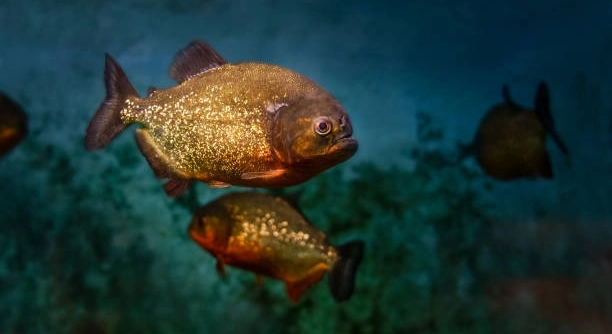
Having a piranha tank can be exciting, but sometimes it develops an unpleasant smell. This odor can be frustrating and affect your enjoyment of the aquarium. Understanding the causes is the first step to fixing the problem.
The smell in a piranha tank usually comes from poor water quality, leftover food, decaying plants, waste buildup, inadequate filtration, overfeeding, or improper cleaning routines. Each of these factors contributes to the growth of bacteria and toxins that cause the odor.
Knowing what causes the smell will help you maintain a healthier tank for your piranhas and keep your space fresh and clean. Let’s explore the common reasons and how to address them.
Poor Water Quality
Maintaining good water quality is essential for any aquarium, especially one housing piranhas. Dirty water can quickly lead to bad smells because waste and uneaten food break down, creating ammonia and other harmful substances. If the water isn’t changed regularly or filtered properly, these toxins build up and cause a strong odor. Testing the water frequently for ammonia, nitrite, and nitrate levels helps ensure a healthy environment. It’s also important to remove waste and debris daily to prevent decay. If the tank is overcrowded, the water quality worsens faster, so keeping the right number of fish is key. Clean water supports your piranhas’ health and keeps the smell under control.
Regular partial water changes of about 20-30% weekly can drastically improve water quality and reduce odors in your tank.
Consistent care and attention to water conditions prevent bad smells and keep your piranha tank healthy. Using a quality filter and avoiding overstocking also make a big difference. Keep testing and cleaning to maintain balance in your tank’s environment.
Leftover Food and Overfeeding
Uneaten food left in the tank is a common source of odor. Piranhas may not always finish their meals, and leftover bits start to rot quickly. Overfeeding worsens this problem by increasing waste and uneaten scraps. When food decomposes, it releases foul smells and pollutes the water. Feeding your piranhas only what they can eat in a few minutes helps reduce this issue. Removing any leftover food promptly will also keep the tank cleaner and smelling fresher. Careful feeding habits support better water quality and fish health.
Overfeeding can cause serious water quality problems and odors in your tank if not managed properly.
To avoid this, feed small portions at a time and observe your fish’s eating habits. If food remains after a few minutes, remove it using a net or siphon. Regular cleaning of uneaten food from the substrate and decorations is necessary. Using sinking pellets or frozen food can help control feeding amounts and reduce waste. Proper feeding not only cuts down smells but also prevents obesity and disease in your piranhas. Being mindful about feeding routines is a simple yet effective way to keep your tank environment balanced and odor-free.
Decaying Plants
Dead or decaying plants in your piranha tank can cause a strong smell. When plants break down, they release gases and organic waste that pollutes the water and creates odor. It’s important to remove any dying leaves or plants quickly.
Regularly check your tank for plants that look unhealthy or are shedding leaves. Removing these parts prevents buildup of decomposing material. Live plants can help absorb some waste, but dead ones add to the problem. If you use artificial plants, clean them often to avoid algae and dirt accumulation. Keeping plants healthy and removing decay supports a fresher tank environment.
In some cases, dead plant matter sinks to the bottom and mixes with fish waste, making it harder to spot. Use a gravel vacuum during water changes to remove this buildup. This will keep your tank clean, reduce smells, and improve water quality for your piranhas.
Inadequate Filtration
A filter that is too small or not cleaned regularly will not remove enough waste from the tank. Poor filtration allows toxins to build up, which causes unpleasant smells and can harm your fish. Make sure the filter suits your tank size and fish load.
Filters work by removing debris, breaking down harmful chemicals, and circulating oxygen-rich water. If the filter media is clogged or old, it cannot work efficiently. Clean or replace filter parts according to the manufacturer’s instructions to maintain good function. A strong, well-maintained filter keeps water clearer and fresher.
It’s also important to use the right type of filter. Some filters provide better biological filtration, which helps break down fish waste into less harmful substances. Choosing a filter with multiple stages—mechanical, chemical, and biological—improves water quality. Investing time in filter upkeep means fewer odors and a healthier tank for your piranhas.
Waste Buildup
Fish waste accumulates quickly if not removed regularly. This waste breaks down and produces a strong odor. Regular cleaning of the tank bottom is important to control smells.
Uneaten food and dead fish also add to waste buildup. Using a gravel vacuum during water changes helps keep the substrate clean and odor-free.
Overcrowding
Too many piranhas in one tank cause faster waste buildup and strain the filtration system. This leads to poor water quality and bad smells. Keeping the right number of fish for your tank size is essential.
Overcrowding stresses fish, making them more prone to illness. It also reduces oxygen levels, which can increase odor problems. Proper stocking supports a healthier, fresher tank.
Improper Cleaning Routines
Skipping regular cleaning or only doing partial maintenance causes waste and debris to accumulate. This leads to foul smells and poor water quality. Consistent cleaning schedules are key to preventing odors.
How to Fix Smelly Tanks
Maintaining your piranha tank involves regular water changes, proper feeding, and cleaning. Use quality filtration and avoid overcrowding. Removing decaying plants and waste promptly helps keep the tank fresh. These steps reduce smells and support your fish’s health.
FAQ
Why does my piranha tank smell even after cleaning?
Sometimes, cleaning doesn’t remove all the hidden waste. Decaying plant matter or uneaten food trapped in decorations or gravel can still cause odors. Filters might also need deeper maintenance or replacement. Regular thorough cleaning, including vacuuming the substrate and checking filter media, helps solve this.
How often should I change the water in my piranha tank?
A good rule is to change 20-30% of the water every week. This keeps toxins like ammonia and nitrate at safe levels. More frequent changes may be needed if the tank is crowded or the filter isn’t very strong. Always use dechlorinated water at the right temperature to avoid stressing your fish.
Can overfeeding really cause smells?
Yes, overfeeding leads to leftover food sinking and decomposing, which produces bad smells. Feeding only what your piranhas can eat in 3-5 minutes prevents waste buildup. It also keeps your fish healthier by avoiding obesity and water pollution.
What type of filter is best for piranha tanks?
Filters with mechanical, biological, and chemical filtration stages are ideal. Mechanical filtration removes debris, biological filtration breaks down harmful toxins, and chemical filtration removes odors and impurities. Canister filters or high-quality hang-on-back filters work well for larger piranha tanks.
How can I tell if my tank is overcrowded?
If fish seem stressed, fight often, or water quality drops quickly despite maintenance, your tank might be overcrowded. Piranhas need space—generally one fish per 10 gallons is a safe guide. Overstocking increases waste and weakens your filtration system.
Is it okay to use artificial plants to avoid decay?
Artificial plants don’t decay but can trap waste and algae, which can also smell. They need regular cleaning to prevent buildup. Live plants help absorb toxins but require good care to avoid dying and adding to the problem.
Can bad smells harm my piranhas?
Yes, odors often signal poor water quality, which can stress or harm fish. High ammonia or nitrate levels can damage their gills and immune system. Maintaining a clean tank reduces smells and helps keep your piranhas healthy.
How do I clean the filter without losing beneficial bacteria?
Rinse filter media gently in tank water (not tap water) during water changes. This keeps beneficial bacteria alive while removing debris. Replace filter media only when it’s falling apart or after several months to maintain filtration balance.
What if the smell comes from the tank equipment?
Sometimes hoses, tubes, or decorations collect algae and waste, causing odors. Clean all equipment regularly using a brush or soak in a mild bleach solution (rinsed well afterward). Proper maintenance of gear prevents hidden sources of smells.
Can adding an air pump reduce smells?
An air pump improves oxygen circulation, which helps bacteria break down waste faster. Better oxygen levels reduce foul odors by preventing anaerobic bacteria growth. Using an air stone or bubbler is an easy way to improve water quality and reduce smells.
How can I prevent smells long term?
Keep a consistent routine of water changes, feeding control, filter maintenance, and substrate cleaning. Avoid overcrowding and remove decaying plants or dead fish immediately. Regular monitoring of water parameters and tank cleanliness prevents odors from building up again.
Keeping a piranha tank free from bad smells takes some regular care, but it is very doable. The main reasons for odors usually come down to water quality, leftover food, waste buildup, and tank maintenance. By paying attention to these areas, you can create a cleaner and healthier environment for your piranhas. It’s important to keep the water clean with frequent partial changes and a good filtration system that fits your tank size. This will help remove harmful toxins and keep your tank smelling fresh.
Feeding your piranhas carefully also plays a big role in controlling smells. Overfeeding leads to uneaten food that quickly decomposes and pollutes the water. Feeding only what your fish can eat in a few minutes reduces waste and helps keep the water clear. It’s also necessary to remove any dead plants, leftover food, and fish waste regularly. Using a gravel vacuum during water changes is a good way to clean the bottom where debris collects. Keeping decorations and filters clean also prevents bacteria buildup that causes odors.
Finally, it’s important to avoid overcrowding your tank. Too many fish produce more waste than the tank can handle, which overwhelms the filter and water changes. Following the recommended stocking levels gives your piranhas enough space to thrive and reduces the chance of smells developing. Overall, staying consistent with cleaning, feeding, and water maintenance will keep your piranha tank fresh and healthy. This helps your fish live longer and enjoy their home, while also making your aquarium a nicer space to be around. Regular care makes all the difference.

Hello,
If you enjoy the content that we create, please consider saying a "Thank You!" by leaving a tip.
Every little bit helps us continue crafting quality advice that supports the health, happiness, and well-being of pets around the world, for pets of all shapes, sizes, and species.
We really appreciate the kindness and support that you show us!