
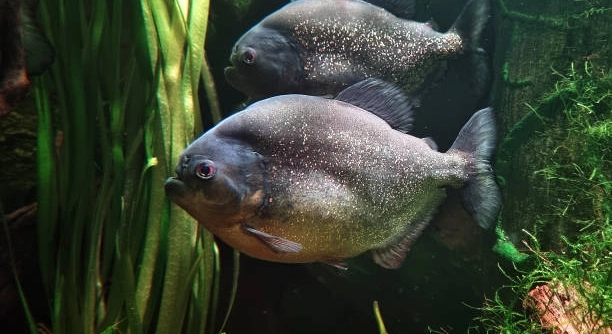
Have you ever sat near an aquarium at night and found yourself wondering if the piranhas inside ever take a break from swimming?
Piranhas do sleep, though not in the same way humans do. Their rest involves reduced movement and awareness, typically occurring during nighttime hours when they settle near the bottom or in vegetation to stay safe.
Learning how to spot these quiet moments can help you better understand their behavior and care for them in a more natural way.
How Piranhas Sleep in the Wild and in Tanks
Piranhas are light sleepers that rest mainly at night. In the wild, they find calm spots under roots, inside plants, or near rocks where they can stay safe. They slow down their movements and become less alert but do not fully lose awareness. Their bodies stay still, and their eyes stay open, making it harder to tell if they’re asleep. In tanks, their resting behavior is similar. They prefer dim lighting and quiet surroundings. You might notice them hovering near the bottom or hiding behind decorations. They’ll often avoid other fish during this time. Their breathing slows slightly, but they remain responsive if disturbed. This light form of sleep helps them avoid danger while still getting the rest they need. It’s a way of staying alive in environments where being completely unaware could be risky. Owners should respect these periods and avoid handling or feeding them during rest.
Piranhas rely on low light and quiet surroundings to settle into a resting state. Sharp movements, lights, or tank tapping can disrupt their rhythm.
When a piranha is sleeping, its color may become a bit duller, and its fins stop moving as much. It won’t chase food or other fish. It may drift slightly in place or gently hover near plants or rocks. Their gills move slowly, showing they are breathing calmly. You may see a slight twitch now and then, but they mostly stay still. Watching closely, you’ll notice they often return to the same spots each night. They like areas that feel hidden or dark, and they usually sleep alone, not in groups. Even during rest, their eyes remain open, but they are not actively looking around. Knowing these signs can help you give your piranha the peaceful space it needs to feel safe and rest properly.
Signs Your Piranha Is Resting
A resting piranha stays mostly still, often close to the bottom or behind decorations, with minimal fin or body movement.
Their resting behavior can look strange if you’ve never seen it before. Some owners mistake it for sickness or stress. The key signs include stillness, slow breathing, and no interest in food or movement. A healthy piranha at rest doesn’t float awkwardly or breathe heavily. Instead, it gently hovers or settles on a stable spot like a flat rock or plant. Its posture stays steady, and the eyes, while open, won’t track movement. Rest usually happens at night, but some piranhas nap briefly during the day if the tank is quiet. If you turn on the light or make a sudden noise, your piranha may react quickly. This quick response shows they’re only lightly resting and still aware. Creating a low-stress setup with hiding spaces and a stable light schedule can help your piranha stick to its natural rest cycle without trouble.
What You Can Do to Help Your Piranha Rest
Keeping your piranha’s environment calm at night supports better rest. Avoid sudden light changes or loud noises near the tank, especially in the evening. Stick to a regular lighting schedule and don’t disturb them once they’ve settled down.
Use a timer to create a day-night cycle in your tank. Aim for 10–12 hours of light during the day and darkness at night. If your room has ambient light at night, consider using a tank cover or placing the tank away from light sources. Dim lighting in the evening can help signal your piranha it’s time to rest. Make sure tank mates aren’t too active at night, as constant movement may keep your piranha alert. Give them hiding spots like plants, rocks, or caves so they can feel safe. These spots help them rest without stress and reduce the chance of sudden movement or conflict.
Feeding schedules also play a role in your piranha’s rest pattern. Try feeding earlier in the day rather than right before lights go off. Digesting food takes energy and may keep them more alert than usual. Clean water is also important. If ammonia or nitrate levels are high, it could disrupt their comfort and sleep. Regular water checks and weekly partial water changes make a difference. Also, avoid putting your tank in high-traffic areas. Constant movement and sound can make your piranha nervous, even when the lights are off. A calm, predictable space with limited distractions makes it easier for your fish to settle into a natural resting routine every night without being startled.
Things That Can Disturb Their Rest
A loud environment or sudden movements can keep your piranha alert for longer than usual. Poor tank conditions, strong lights, and lack of shelter can also prevent them from settling down properly.
Stress is a big reason piranhas don’t rest well. Loud music, tapping on the glass, or sudden flashes of light can put them on edge. Tank placement matters too—avoid areas near TVs, speakers, or doors. Bright lighting late into the evening can throw off their routine. Use dim lighting in the hours leading up to night and turn off the lights completely once it’s dark. A tank without plants or hiding spots makes your fish feel exposed, which raises their stress. Add thick plants, driftwood, or caves where they can tuck themselves away. If your piranha shares the tank with aggressive fish, that can also disrupt sleep. Watch for signs of chasing or fin nipping. If needed, use dividers or house them separately.
Do All Piranhas Sleep the Same Way?
Different piranha species may have slightly different rest habits, but most follow a similar nighttime routine. Red-bellied piranhas, for example, often rest near the bottom, while others may prefer hiding behind plants or in darker corners.
Age and tank conditions also influence how they rest. Younger piranhas may be more active at night, while adults settle down more easily.
How Long Do Piranhas Sleep?
Piranhas don’t follow exact sleep hours like humans, but most rest for several hours each night. Once the lights go out, they settle into a calmer state and may remain that way until the light returns. Some may rest for shorter periods during the day if the tank stays quiet. Unlike deep sleep in mammals, their rest is lighter and keeps them partly alert to danger. The key is consistency—keeping the tank calm, dark, and quiet helps them stick to a steady sleep cycle without stress or interruptions that could disturb their natural rhythm.
Can You Watch Them Sleep?
Yes, you can watch them during rest, but do it gently. Use a dim light from across the room and avoid getting too close or tapping the glass.
Do piranhas sleep with their eyes open?
Yes, piranhas sleep with their eyes open. Unlike humans, they do not close their eyes fully during rest. This helps them stay alert to possible danger in their environment. Even when resting, their eyes remain open but they reduce movement and awareness to conserve energy while staying safe.
How can I tell if my piranha is resting and not sick?
A resting piranha will stay still and slow its breathing but will maintain a steady posture. Its eyes remain open but it won’t react immediately to small movements outside the tank. If your piranha floats oddly, has clamped fins, or shows labored breathing, it might be sick rather than resting.
Do piranhas rest during the day or only at night?
Piranhas mainly rest at night when it’s darker and quieter. However, they can take short naps during the day if the tank conditions are calm. These daytime rests are usually brief and happen in hidden spots to avoid stress.
What kind of environment helps piranhas rest better?
A calm, quiet tank with dim lighting and plenty of hiding spots encourages better rest. Plants, rocks, and caves allow them to feel safe. Avoid bright lights at night and loud noises near the tank. A stable light schedule also supports their natural rest cycle.
Is it normal for piranhas to be inactive for long periods?
Yes, it’s normal for piranhas to be inactive while resting. They conserve energy by reducing movement but stay alert to threats. If inactivity lasts through the day or they refuse food for long periods, it could signal health issues.
Can I feed my piranha before it rests?
Feeding your piranha earlier in the day is best. Feeding right before rest time can make them more active and disrupt their natural resting patterns. Also, digesting food requires energy, which may keep them alert longer.
What should I avoid to not disturb my piranha’s rest?
Avoid tapping on the glass, sudden light changes, loud noises, and moving around the tank quickly. These actions can stress your piranha and interrupt their rest. Keeping a quiet environment and a regular lighting schedule helps maintain their calm.
Do piranhas need complete darkness to sleep?
Complete darkness isn’t always necessary, but low light levels are important. They prefer dim or shaded areas rather than bright lights. If your room has ambient light, using a tank cover or placing the tank away from windows helps simulate night conditions.
How long do piranhas typically rest each night?
Piranhas usually rest for several hours at night, generally following the tank’s light schedule. They enter a lighter sleep state rather than deep sleep, staying partly alert. Regular quiet and darkness promote a steady resting period.
Can tank mates affect a piranha’s rest?
Yes, aggressive or very active tank mates can disturb a piranha’s rest by chasing or crowding it. Make sure your piranha’s companions are compatible and calm, especially at night. Providing enough space and hiding spots reduces stress and helps all fish rest better.
What are signs of poor rest in piranhas?
Signs include constant movement at night, sudden darting, refusal to eat during the day, or showing stress behaviors like hiding excessively. Poor water quality or noisy surroundings can cause rest problems. Monitoring behavior and tank conditions can help identify issues early.
Does the size of the tank affect piranha rest?
Tank size can influence how comfortable your piranha feels while resting. A cramped or overcrowded tank may cause stress and prevent proper rest. Providing enough space with secure hiding places encourages natural behavior and better rest patterns.
Is it okay to watch piranhas while they rest?
Watching them gently is fine, but avoid bright lights or tapping the glass. Using a dim light from a distance lets you observe without causing stress. If your piranha reacts strongly or swims away, it’s best to give them space.
How do water quality and temperature impact piranha rest?
Poor water quality with high ammonia or nitrates causes stress and discomfort, which disrupts rest. The water temperature should be stable and within the ideal range for piranhas (around 75-82°F). Sudden changes can disturb their calm and make rest difficult.
Can piranhas get tired or need more rest?
Yes, if stressed or unwell, piranhas may need extra rest to recover. However, excessive lethargy can also signal illness. Pay attention to changes in their normal rest and activity cycles to ensure they stay healthy.
Piranhas do need rest to stay healthy, even though their sleep looks very different from ours. They don’t fully close their eyes or enter deep sleep like humans do. Instead, their rest is lighter and keeps them partly alert to danger. Most piranhas slow down their movements, breathe more calmly, and stay still during the night. This helps them save energy and stay safe from predators. In tanks, they often rest near plants, rocks, or in quiet corners where they feel protected. Understanding this natural behavior helps us give piranhas a better environment to live in.
Creating a calm and stable environment is very important for piranhas to rest well. They need a proper day and night cycle with low light or darkness during their resting hours. Loud noises, sudden light changes, or too much activity in the tank can make them feel stressed and keep them awake. Providing hiding spots like plants, caves, or driftwood helps them feel safe, which encourages rest. Feeding them earlier in the day instead of right before night helps too, since digesting food requires energy and might keep them more active. Clean water and proper temperature also play a big role in their comfort and rest quality.
Watching piranhas during their rest times can be interesting but it’s important to be gentle and patient. Avoid tapping on the glass or shining bright lights on them. Instead, use dim lighting from a distance and keep the environment quiet. Remember that even when resting, piranhas are still alert and sensitive to changes around them. When they get the right conditions, they can rest properly, stay healthy, and show their natural behaviors more clearly. By paying attention to their resting habits, you help create a better home for these fascinating fish.

Hello,
If you enjoy the content that we create, please consider saying a "Thank You!" by leaving a tip.
Every little bit helps us continue crafting quality advice that supports the health, happiness, and well-being of pets around the world, for pets of all shapes, sizes, and species.
We really appreciate the kindness and support that you show us!