
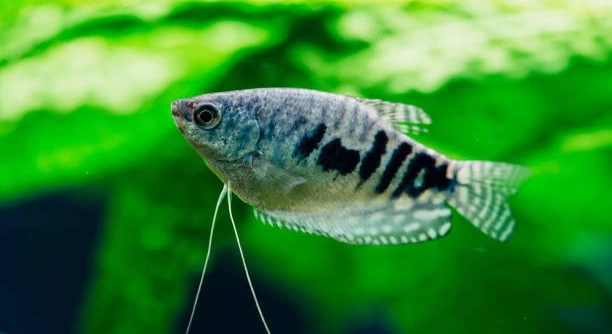
Gouramis are popular freshwater fish known for their peaceful nature and unique behaviors. One curious habit they show is remaining silent and still for about seven minutes. This quiet moment often leaves fishkeepers wondering about its meaning.
The seven minutes of silence in gouramis is a natural resting behavior linked to their breathing and stress regulation. During this time, gouramis slow their movement and rely on their labyrinth organ to breathe atmospheric air, helping them recover and maintain balance.
Understanding this silent pause will give you better insight into your gourami’s health and habits. It’s a small behavior with important reasons behind it.
Why Gouramis Need Their Quiet Time
Gouramis spend several minutes remaining still and silent as part of their natural resting cycle. This quiet period allows them to conserve energy and regulate their breathing using a special organ called the labyrinth organ. Unlike most fish, gouramis can breathe air directly from the surface, which helps them survive in low-oxygen environments. During these minutes, they reduce movement to lower oxygen consumption and maintain balance in their system. This behavior also helps them recover from minor stress or excitement. It’s not unusual to see a gourami hover motionless near the tank surface during this time. While it may seem like they’re inactive, this silent pause is essential for their well-being. Being aware of this habit helps fishkeepers avoid unnecessary worry when their gouramis suddenly become quiet for several minutes.
This resting period is healthy and normal. It shows your gourami is adapting well to its environment.
Recognizing this behavior can improve how you care for your fish. It helps in understanding their needs better and creates a calmer aquarium atmosphere.
How Stress Affects Gourami Silence
Gouramis might also use silence as a way to cope with stress. When fish feel threatened or uncomfortable, they often reduce activity and become still to avoid drawing attention. Stressors can include changes in water quality, sudden noises, or aggressive tank mates. By staying quiet, gouramis lower their heart rate and breathing to conserve energy and reduce stress effects. In some cases, prolonged silence might indicate ongoing discomfort or illness, so it’s important to monitor other signs like loss of appetite or unusual behavior. Keeping the tank stable with proper water conditions and a peaceful environment will help minimize stress and support healthy silent moments. Quiet periods are natural, but they can sometimes be a subtle signal that something needs attention in the tank. Taking steps to reduce stress helps your gouramis feel safe and maintain their regular patterns.
The Role of the Labyrinth Organ
The labyrinth organ allows gouramis to breathe air directly from the surface. This adaptation helps them survive in low-oxygen water.
Because their environment sometimes lacks enough oxygen, gouramis use the labyrinth organ to take in air. This means they can spend time near the water’s surface, quietly resting while still getting the oxygen they need. The organ functions like a lung, allowing them to survive in conditions that would stress other fish. This breathing method explains why gouramis often remain motionless for several minutes, conserving energy while maintaining oxygen intake. It’s a vital part of their biology that supports their silent behavior.
This breathing style also means gouramis can tolerate water conditions that might be harmful to other fish. Their ability to breathe air makes them more adaptable but still requires clean water and a healthy tank environment to thrive.
Signs That Silence Might Mean Something Else
If gouramis stay silent and still for long periods, it may indicate stress or illness. Watch for other signs like faded colors, loss of appetite, or unusual swimming.
Sometimes silence is more than normal rest; it can signal health problems. If your gourami remains inactive beyond typical silent periods or shows other symptoms, it’s important to check water quality and tank conditions. Illnesses like bacterial infections or parasites often cause lethargy and silence. Regular water tests and tank maintenance help prevent issues. When a fish is sick, its silence becomes a warning. Early action improves recovery chances. Keep an eye on behavior patterns to know when silence is healthy and when it calls for care. Monitoring your gourami’s overall condition helps ensure their quiet moments are normal, not a sign of trouble.
When Gouramis Are Quiet Around Other Fish
Gouramis may stay silent and still when other fish are nearby. This behavior helps avoid conflict and keeps peace in the tank.
They often use silence as a way to observe and assess their surroundings before interacting. This cautious approach reduces stress and helps maintain harmony among tank mates.
Impact of Tank Environment on Silence
The tank environment plays a key role in gouramis’ silent behavior. Poor water quality or inappropriate temperature can increase stress, causing longer silent periods. Proper filtration, regular water changes, and stable temperature create a comfortable space, reducing unnecessary quietness caused by discomfort or stress. A well-maintained tank supports natural resting behavior without added worry.
Encouraging Healthy Silent Periods
Providing hiding spots and a calm environment encourages natural, healthy quiet moments in gouramis.
FAQ
Why do gouramis stay silent for exactly seven minutes?
The seven-minute silence isn’t an exact rule but an observed average where gouramis pause to rest and regulate breathing. This time allows them to use their labyrinth organ efficiently and conserve energy. It varies depending on the individual fish and tank conditions, but this quiet period is a normal part of their behavior.
Is the silence a sign of illness?
Not always. Silence can be healthy rest or a response to stress. However, if it’s accompanied by other signs like loss of appetite, faded colors, or unusual swimming, it could indicate illness. It’s important to monitor your gourami closely to distinguish between normal rest and health problems.
Can gouramis die from staying silent too long?
No, silence itself isn’t harmful. It’s a natural behavior to rest and regulate breathing. Problems arise only if silence is caused by stress or disease. Proper tank care and attention to other health signs ensure your gourami stays safe during these quiet moments.
How can I tell if my gourami is stressed?
Stress signs include hiding excessively, loss of appetite, rapid breathing, or aggressive behavior. Silence combined with these signs suggests your gourami needs attention. Checking water quality, tank mates, and environment can help reduce stress.
Should I try to make my gourami move during silent periods?
It’s best to let them rest naturally. Forcing movement can increase stress. Gouramis need these breaks for healthy breathing and energy conservation. Only intervene if you see signs of illness or distress.
Do all gouramis behave this way?
Most gourami species show silent resting behavior, but the length and frequency can vary. Individual personality and tank setup also influence how often they remain still and quiet.
Does tank size affect gourami silence?
A larger tank with proper hiding spots and stable water conditions reduces stress and supports natural behaviors. Smaller, crowded tanks may cause longer silent periods due to discomfort or stress.
How often should I check water quality for gouramis?
Weekly testing is ideal. Regular checks keep ammonia, nitrite, and nitrate levels safe, preventing stress and illness. Clean water supports healthy breathing and natural silent periods.
Can tank mates affect gourami silence?
Yes. Aggressive or overly active fish can cause gouramis to stay quiet to avoid conflict. Peaceful tank mates promote a calm environment where gouramis feel safe to rest openly.
What role does feeding play in gourami behavior?
Proper feeding supports energy levels and overall health. Overfeeding can cause water quality issues, leading to stress and longer silent periods. Feeding small, regular amounts encourages active, healthy fish.
Is it normal for gouramis to be silent at certain times of the day?
Yes. Gouramis often rest during quieter parts of the day or night. Their natural rhythm includes periods of low activity, which is part of their normal behavior.
Can lighting affect gourami silence?
Bright or sudden lighting changes can stress gouramis, causing longer silent periods. Soft, consistent lighting helps them feel secure and supports regular behavior patterns.
What should I do if my gourami’s silence changes suddenly?
Sudden changes in behavior might signal stress or illness. Review tank conditions, water quality, diet, and tank mates. If the silence continues or other symptoms appear, consider consulting a vet experienced with fish.
Do gouramis make sounds during their silent periods?
Generally, no. Gouramis are quiet fish. Their silent periods mean reduced movement and no noticeable sounds, as they focus on breathing and resting quietly.
How can I create an ideal environment for healthy gourami silence?
Maintain stable water quality, proper temperature, gentle filtration, and provide plants or decorations for hiding. A calm tank with compatible fish encourages natural rest without stress.
This FAQ covers common concerns about gourami silence and helps in understanding their behavior better. Proper care and attention will ensure your gourami’s silent moments are healthy and natural.
Gouramis have a unique way of resting that involves staying silent and still for several minutes. This behavior is a natural part of how they manage their breathing and energy. Thanks to their special labyrinth organ, gouramis can breathe air from the surface, which allows them to pause and conserve energy even when the water oxygen level is low. This quiet time is important for their health and helps them recover from mild stress or excitement. It is normal to see your gourami spending time near the surface, motionless but breathing steadily. Understanding this behavior can help fishkeepers feel more confident that their fish are simply resting, not in trouble.
However, it is important to keep an eye on your gourami’s overall behavior and environment. If the silent periods become longer than usual or your fish shows other signs like faded color, lack of appetite, or strange swimming patterns, it may be a sign of stress or illness. Stress can be caused by poor water quality, aggressive tank mates, or sudden changes in the tank. Maintaining a stable, clean tank with peaceful fish and proper feeding helps keep your gouramis comfortable. Regular water testing and good tank maintenance reduce the chance that your gouramis will feel the need to stay silent due to stress. If you notice anything unusual, acting quickly can prevent health problems.
Creating a calm and safe environment encourages healthy resting behavior in gouramis. Providing plants or decorations for hiding spots makes them feel secure. Keeping the lighting soft and avoiding sudden changes helps reduce stress. Remember, gouramis are delicate fish with specific needs. Paying attention to their quiet moments is part of good care. By understanding why they remain silent for minutes at a time, you can better support their well-being and enjoy watching their peaceful nature. Your care will help them thrive, showing that their silence is a sign of comfort, not concern.

Hello,
If you enjoy the content that we create, please consider saying a "Thank You!" by leaving a tip.
Every little bit helps us continue crafting quality advice that supports the health, happiness, and well-being of pets around the world, for pets of all shapes, sizes, and species.
We really appreciate the kindness and support that you show us!