
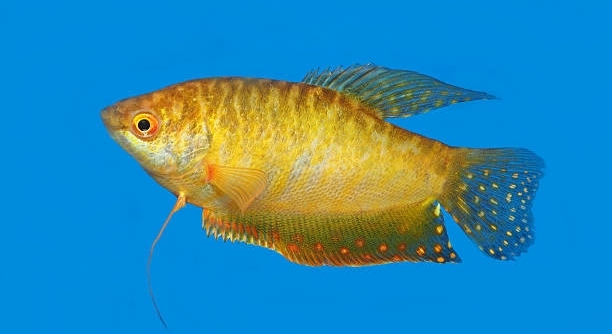
Do you ever find yourself wondering how long it takes for your gourami to feel comfortable around you? Watching them dart away or hide can feel a little disheartening when all you want is a calm connection.
It may take up to 7 days for a gourami to begin trusting its environment and owner. This process depends on factors such as tank conditions, daily routines, and gentle, consistent interactions that help build a sense of safety.
Understanding what influences your gourami’s behavior will help you make small but meaningful changes that support their comfort and trust.
Why Your Gourami Needs Time to Feel Safe
When you bring a new gourami home, everything around them is unfamiliar. The tank might be clean and decorated, but it still feels strange to them. Gouramis are naturally cautious fish. They don’t like sudden movements, loud sounds, or crowded environments. During the first few days, they often hide behind plants or decorations. This is normal behavior. As time passes and they learn there’s no threat, they slowly start to explore. If you keep the tank quiet and peaceful, they’re more likely to feel safe. Feeding them at the same time every day can also help create a routine. It’s important not to tap the glass or chase them with nets unless necessary. Give them space and let them observe you. Once they realize your presence doesn’t mean danger, they’ll come out more often and start acting naturally. These small signs show that trust is starting to build.
Be patient during this time. Pushing too hard can cause stress and delay progress.
A calm environment, regular care, and gentle behavior are the key steps to helping your gourami feel secure. You don’t need to do much—just be consistent and respectful of their space. With time, they will adjust and grow more confident.
Signs Your Gourami Is Beginning to Trust You
Your gourami may start swimming out in the open more often, even when you’re near the tank. This is a good sign.
If your gourami begins to recognize your presence, it might swim toward you during feeding times or hover near the glass. These are subtle but important changes in behavior. Trust can also be seen when they stop hiding as frequently and become more active during the day. Some gouramis even accept food from your hand once they’re comfortable. This takes time, and not all fish will do it, but the behavior shows they associate you with something positive. Another sign is reduced skittishness. If they no longer dart away when you walk by, it means they feel less threatened. Keep your approach slow and avoid loud noises or quick movements around the tank. These behaviors help create a more peaceful space and show your gourami that it’s safe to be seen.
How Your Behavior Affects Their Trust
Your movements and tone around the tank can make a big difference. If you’re loud, move quickly, or tap the glass, your gourami might stay hidden longer. Calm, slow actions help them feel safer and more willing to come out in the open.
Approaching the tank slowly and keeping your hands away from the glass helps reduce stress. When you feed them, try using the same hand or motion each time. These small things become familiar to your gourami. If they start linking your presence with something positive—like food or quiet time—they’ll grow more confident. Avoid making sudden changes to the tank or switching decorations too often. Stability helps build comfort. If you need to clean the tank or move something, do it gently and try not to chase them around. Trust builds over time, and even the smallest habits can either help or hurt the progress.
Some owners make the mistake of thinking their fish is bored or needs attention, so they tap or interact more than needed. Gouramis don’t react well to this. They prefer quiet observation. Standing or sitting calmly by the tank and giving them time to watch you works better. Let them approach when they’re ready. This is how you gain trust.
Tank Conditions That Support Trust
A stable environment plays a big role in helping gouramis feel safe. Temperature swings, dirty water, or a tank that’s too small can make them more anxious. Keeping the water clean and at a steady temperature helps lower their stress.
Use a thermometer and test the water regularly for ammonia, nitrites, and pH balance. Gouramis prefer warm, calm waters with plenty of hiding spots. Live plants, smooth decorations, and gentle filters can make a big difference. Avoid sharp objects that may injure them. If they feel secure in their space, they’re more likely to come out and explore. Lighting matters too—keep it soft and avoid bright lights all day. Stick to a lighting schedule so they know when to expect rest. Also, make sure your tank isn’t overcrowded. Gouramis don’t like too much competition. The right tankmates and enough space will encourage peaceful behavior and make them feel more relaxed.
Feeding Habits That Build Comfort
Feeding at the same time each day helps create a routine your gourami can rely on. Consistency builds comfort and gives them something to look forward to. Use slow, steady motions so they aren’t startled during feeding.
Try not to overfeed. Uneaten food dirties the water and causes stress. Give small amounts and observe how much they eat. If your gourami swims up when you approach, it’s a good sign they’re learning to trust you.
Why It’s Important Not to Rush
Building trust with your gourami is a slow process. Rushing or trying to force interaction can cause more harm than good. These fish need time to learn that you are not a threat. Watch their behavior closely. If they seem nervous or hide more than usual, back off and give them more space. Let them move at their own pace. The progress might be slow, but when they finally swim up to greet you or stay calm during water changes, you’ll know it was worth the wait. Patience and gentle habits make a big difference in the long run.
When to Expect a Change
You may start to see your gourami relax within a week. If the tank is calm and your habits are gentle, they often settle in around day five or six.
FAQ
How long does it take for a gourami to trust its owner?
Most gouramis begin to show signs of trust after about 7 days, but this varies. Factors like tank environment, feeding routines, and how calm you are around them play important roles. Some fish may take longer, especially if they were stressed before. Consistency and patience help speed up the process.
What are signs that my gourami is starting to trust me?
You might notice your gourami swimming closer when you approach the tank, especially during feeding. They may stop hiding as much and become more active during the day. If they hover near the glass or accept food from your hand, it’s a clear sign they feel safer around you.
Can I speed up the trust-building process?
Yes, but only gently. Keep the tank environment stable with clean water and steady temperature. Approach the tank slowly and avoid sudden movements. Feeding at the same time every day creates routine. Never tap the glass or chase them. Let your gourami come to you when ready.
What should I avoid doing to prevent scaring my gourami?
Avoid loud noises, tapping the glass, and fast movements near the tank. Don’t overcrowd the tank with too many fish or introduce aggressive species. Sudden changes in water temperature or decorations can stress them. Handling them too often or roughly will also delay trust.
Is it normal for gouramis to hide a lot in the beginning?
Yes, it’s normal for new gouramis to hide. They are cautious by nature and need time to feel safe. Hiding helps them avoid stress. As they grow more comfortable, they will explore more and become active during feeding and when you’re near.
How important is the tank setup in building trust?
Very important. A tank with plenty of hiding spots, smooth decorations, and live plants helps gouramis feel secure. Proper water conditions—clean, warm, and stable—reduce stress. Avoid sharp or rough objects. A calm, stable tank supports relaxation and trust-building.
Can gouramis recognize their owners?
Gouramis don’t recognize faces like pets do, but they can learn to associate your presence with food and safety. Over time, they may come closer when they see you, showing they expect something positive. This is their way of “knowing” you in a simple way.
What if my gourami never comes out of hiding?
If your gourami stays hidden after two weeks, check tank conditions for problems like poor water quality or bullying by other fish. Try making the environment calmer and feeding more gently. Some gouramis are shy by nature and may take longer or prefer to stay hidden.
How can I encourage my gourami to eat from my hand?
Start by feeding near the tank glass and gradually move your hand closer over several days. Use small amounts of food and keep your hand still. Avoid sudden movements. When your gourami feels safe, they might swim to your hand to eat, showing strong trust.
Should I interact with my gourami every day?
Regular, gentle interaction helps build trust but avoid forcing contact. Stand quietly by the tank and feed at consistent times. This creates a routine they can rely on. Too much activity or tapping can stress them, so balance is key.
Can stress affect how quickly my gourami trusts me?
Stress slows trust-building. Poor water quality, loud noises, or aggressive tankmates increase stress. Keep the tank peaceful and stable. The calmer your gourami feels, the faster it will adapt and trust you.
Is it okay to have other fish with gouramis during trust-building?
Yes, but choose peaceful tankmates. Aggressive fish can stress gouramis and delay trust. A quiet, stable community tank encourages relaxation. Make sure the tank isn’t overcrowded and each fish has enough space to avoid competition.
What role does lighting play in gourami behavior?
Soft, steady lighting helps gouramis feel secure. Bright or flickering lights can scare them and cause hiding. A consistent light schedule mimics natural conditions and supports healthy activity patterns.
How do I clean the tank without stressing my gourami?
Clean the tank gently and avoid sudden water changes. Use a siphon to remove debris carefully. Try to do maintenance at the same time and keep your movements slow. Avoid chasing your gourami during cleaning to prevent stress.
Can gouramis forget their trust if I change my behavior?
Yes, inconsistent behavior like loud noises, tapping, or sudden movements can cause your gourami to become nervous again. Maintaining calm, gentle habits is important to keep their trust strong over time.
Building trust with your gourami is a gradual process that takes patience and care. These fish are naturally cautious, so it is normal for them to be shy or hide at first. By keeping their environment stable and calm, you help them feel safer. Regular feeding at the same time every day gives them a routine they can depend on. Over time, your calm and gentle presence will encourage them to explore the tank more and come closer to you. It is important to respect their space and let them adjust at their own pace.
Small changes in your daily habits can make a big difference in how your gourami behaves. Approaching the tank slowly and avoiding loud noises helps reduce their stress. Feeding them with slow, steady motions shows them you are not a threat. Keeping the water clean and the temperature steady also supports their comfort. A tank with plenty of hiding spots and soft lighting helps gouramis feel secure. These factors work together to create an environment where your fish can relax and trust you.
Remember, trust is built over days and sometimes weeks, so patience is key. Avoid rushing your gourami or forcing interaction, as this can cause more harm than good. Pay attention to their behavior and give them time to get used to you and their surroundings. When your gourami starts swimming closer, accepting food from your hand, or staying calm during maintenance, you will know the trust has grown. Taking small, steady steps helps create a healthy relationship between you and your fish, making your tank a peaceful place for both of you.

Hello,
If you enjoy the content that we create, please consider saying a "Thank You!" by leaving a tip.
Every little bit helps us continue crafting quality advice that supports the health, happiness, and well-being of pets around the world, for pets of all shapes, sizes, and species.
We really appreciate the kindness and support that you show us!