
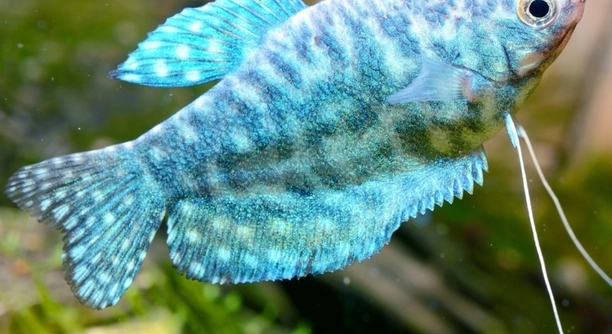
Gouramis are fascinating freshwater fish known for their unique behaviors. They communicate in ways that are often subtle and easy to overlook. Understanding these signals helps us appreciate their complex social lives.
Gouramis use a variety of underestimated methods to communicate, including body posture, color changes, bubble nests, fin movements, and chemical signals. These behaviors play important roles in territory defense, mating, and social hierarchy within their groups.
Recognizing these communication styles reveals much about gourami behavior and interaction. This insight enhances both aquarium care and natural observation of these intriguing fish.
Body Posture and Movement
Gouramis often use their body posture to send messages to other fish. When a gourami feels threatened or wants to show dominance, it will puff up its body and fins to look bigger. This makes it appear more intimidating to others nearby. On the other hand, a relaxed gourami will have smooth movements and a calm body shape. Quick darting motions usually mean the fish is scared or startled. Watching these subtle changes helps understand how gouramis react to their environment and to other fish in the tank. Sometimes, a gourami will slowly approach another fish to show curiosity or interest, but if it spreads its fins wide and moves stiffly, it’s warning others to keep distance. Recognizing these signals is key to creating a peaceful aquarium where gouramis can thrive.
Body posture is a clear indicator of a gourami’s mood and intentions.
By observing these movements, hobbyists can better respond to the fish’s needs, reducing stress and improving interactions between tank mates. This understanding helps prevent aggression and promotes a calm tank environment. Gouramis often rely on these physical cues because their small size limits loud communication, so body language becomes essential for their social structure. Paying attention to how a gourami positions itself can also reveal when it feels unwell or threatened. For example, a fish that remains tightly curled or motionless may be stressed or sick. Noticing these behaviors early allows caretakers to adjust conditions or separate aggressive fish. Overall, body posture and movement are critical tools gouramis use daily to communicate and maintain harmony within their groups.
Color Changes
Color changes in gouramis are subtle but very important signals. When a gourami is stressed, angry, or ready to mate, its colors may become brighter or duller. For example, a male gourami often shows more intense colors during courtship to attract a female. Stress can cause the fish to lose its vibrant hues, making it look pale or faded. These color shifts give clues about the fish’s emotional state and health. Many gouramis have special pigment cells that allow these changes to happen quickly. Observing color changes can help identify problems early and improve care. This form of communication is an easy way to understand what a gourami is feeling without any noise or movement.
Color changes provide visible hints about gouramis’ feelings and status in their environment.
When a gourami brightens its colors, it is usually showing confidence or readiness to breed. Conversely, dull or patchy coloring may indicate illness or discomfort. These changes are often temporary but meaningful, showing how the fish responds to its surroundings. Aquarium owners who notice a sudden loss of color should check water quality and tank mates because poor conditions cause stress. Color changes also help gouramis signal each other without direct contact, reducing fights. During mating, vibrant colors help males stand out, increasing their chances of success. Understanding these color cues enriches the experience of keeping gouramis by revealing their inner world. This knowledge allows better support for their health and happiness.
Bubble Nests
Male gouramis build bubble nests to attract females and protect their eggs. These nests are made by blowing bubbles that stick together on the water surface. The size and quality of the nest show the male’s health and readiness to breed.
Building bubble nests takes time and energy. The male gathers saliva-coated bubbles and carefully places them in clusters. He guards the nest fiercely, chasing away intruders. This behavior is common during the breeding season and signals strong parental instincts. The nest also keeps eggs safe from predators and helps oxygenate them. Watching a male gourami prepare a bubble nest offers a clear sign of his breeding condition and mood.
Bubble nests also serve as a way for males to claim territory. By maintaining the nest, the male communicates dominance and control over the area. This reduces conflicts with other males and increases chances of reproductive success. Nest-building is a fascinating behavior that shows how gouramis combine physical effort and social signaling for survival.
Fin Movements
Gouramis use fin movements to express different feelings. Slow, gentle fin waves often show calmness, while rapid flicks can signal irritation or alertness. These movements help other fish understand what the gourami is experiencing without aggressive confrontation.
Fin displays are an important part of social interaction in gourami groups. For example, spreading fins wide can be a warning to keep away or a way to appear larger. During courtship, males will flare their fins to impress females. Tail flicks or quick fin shakes may indicate frustration or stress. These signals reduce fights and maintain balance among fish. Paying attention to fin movements offers valuable clues about how gouramis communicate in their space.
Chemical Signals
Gouramis release chemicals in the water to communicate with others. These signals can indicate stress, readiness to breed, or mark territory. Chemical communication is subtle but very effective in their aquatic environment.
These chemical cues help gouramis avoid conflict and find mates without direct contact. They detect these signals through their sense of smell, allowing them to respond quickly to changes around them.
Eye Contact
Eye contact between gouramis is a way to show interest or dominance. A steady gaze can signal curiosity or challenge, depending on the situation.
Maintaining eye contact helps establish social hierarchy and reduces unnecessary fights by showing confidence or submission among fish.
Vibrations and Sounds
Gouramis produce vibrations and low sounds to communicate in the water. These signals are often used during mating or territorial disputes. Vibrations travel well underwater and can alert others without visual contact. This form of communication adds another layer to how gouramis interact quietly but effectively in their habitat.
How do gouramis use body language to communicate?
Gouramis rely heavily on body language to send messages to each other. They change their posture, flare fins, and alter swimming speed to express feelings like aggression, fear, or curiosity. For example, a gourami that puffs up its body and spreads its fins is showing dominance or trying to scare off rivals. Slow, smooth movements often mean the fish is calm or interested, while quick darting can signal stress or fright. Understanding these signs helps in recognizing the social dynamics within the tank and prevents conflicts.
Why do gouramis build bubble nests?
Male gouramis build bubble nests as part of their breeding process. These nests are clusters of saliva-coated bubbles at the water surface that protect eggs and young fry. The nest’s size and quality show the male’s health and readiness to mate. During breeding, the male guards the nest aggressively to keep predators and other fish away. Nest building also signals to females that the male is a good candidate for mating. It’s a fascinating behavior that shows gouramis’ instinct to protect their offspring.
Can gouramis change color, and what does it mean?
Yes, gouramis can change color to communicate. Brighter colors often mean a fish is healthy, confident, or ready to breed, especially in males during courtship. Duller or faded colors can indicate stress, illness, or fear. Color changes happen through special pigment cells that react to the fish’s mood and environment. Watching these shifts can give clues about a gourami’s health and emotional state, helping owners adjust tank conditions or check for potential problems early.
How do gouramis use chemical signals?
Gouramis release chemicals into the water to send messages to others nearby. These chemicals can indicate stress, mark territory, or signal breeding readiness. Since water carries these scents efficiently, chemical communication is very effective in crowded or murky environments. Gouramis detect these cues with their sense of smell and react accordingly, avoiding fights or finding mates. This invisible form of communication is a vital part of their social behavior, even though it often goes unnoticed by aquarium keepers.
What role do fin movements play in gourami communication?
Fin movements are a key way gouramis express themselves. Slow fin waves often show calmness or curiosity, while quick flicks or flares can signal aggression or alertness. Males spread their fins wide to intimidate rivals or attract females during mating. These movements help reduce physical fights by allowing fish to “talk” through body language. Watching fin signals closely can reveal how gouramis feel and interact with others, improving tank harmony.
Do gouramis communicate through eye contact?
Yes, gouramis use eye contact to communicate interest or dominance. A steady gaze can show curiosity or a challenge, depending on context. Eye contact helps establish social order in groups and can prevent unnecessary fights. It’s a quiet but meaningful way for gouramis to connect and understand each other without making noise or moving aggressively.
How do vibrations and sounds function in gourami communication?
Gouramis produce low-frequency sounds and vibrations to send messages underwater. These signals are often used during mating rituals or territorial disputes. Because sound travels well through water, vibrations can alert other fish to presence or mood without visual cues. Though these noises are subtle and often unnoticed by humans, they add an important layer to how gouramis communicate effectively and peacefully within their environment.
Can understanding gourami communication improve aquarium care?
Absolutely. Recognizing the signs gouramis use to communicate—whether through body language, color changes, or chemical signals—helps hobbyists create better environments. It reduces stress and aggression among fish by allowing timely intervention when problems arise. Knowing when a gourami is ready to breed or feeling threatened means owners can adjust tank conditions or separate fish if needed. This deeper understanding leads to healthier, happier gouramis and a more peaceful aquarium overall.
Are all gourami species similar in how they communicate?
While many gourami species share common communication methods, there are differences based on species size, habitat, and behavior. Some may rely more on color changes, while others use bubble nests more extensively. However, body language, chemical signals, and fin movements remain core communication tools across most gouramis. Observing your specific species closely will help identify its unique ways of interacting.
How can I tell if my gourami is stressed through its communication?
Signs of stress in gouramis include dull or faded colors, rapid or erratic swimming, hiding frequently, and unusual fin movements like constant flicking or clamping fins close to the body. Chemical signals of stress can’t be seen but may lead to aggressive or withdrawn behavior. Recognizing these cues early allows changes like improving water quality or adjusting tank mates, which helps reduce stress and supports the fish’s well-being.
Gouramis are interesting fish with many ways to communicate beyond just swimming around or making noises. They use their bodies, colors, fins, and even chemicals in the water to send messages to others. These signals help them find mates, protect their space, and keep peace in their groups. Understanding how gouramis talk to each other can make keeping them much easier and more enjoyable. It also allows us to see these fish as more than just pets—they have their own little ways of interacting and living together.
Watching gouramis closely reveals their subtle behaviors. When a fish changes color or moves its fins, it is trying to tell something important. These signs may show that a fish is happy, stressed, or ready to breed. Male gouramis often build bubble nests, which is a clear way of communicating during mating. They also use eye contact and body postures to show dominance or submission. Chemical signals in the water carry messages that help them avoid fights or find partners quietly. All these communication methods work together to keep their social world balanced and healthy.
By paying attention to these signs, people who keep gouramis can provide better care. Recognizing when a fish feels threatened or uncomfortable allows changes to the tank setup or the way fish are grouped. Knowing when they are ready to mate helps create the right environment for breeding. Overall, understanding gourami communication improves their health and happiness. It also makes the aquarium more peaceful and enjoyable to watch. Learning about these fish’s communication is a step toward becoming a more responsible and thoughtful aquarium owner.

Hello,
If you enjoy the content that we create, please consider saying a "Thank You!" by leaving a tip.
Every little bit helps us continue crafting quality advice that supports the health, happiness, and well-being of pets around the world, for pets of all shapes, sizes, and species.
We really appreciate the kindness and support that you show us!