
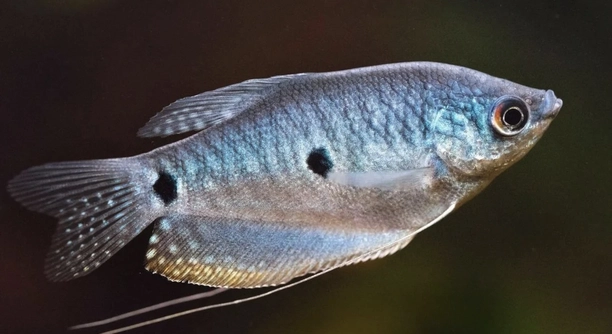
Are your gouramis showing sudden movements, subtle reactions, or changes in behavior that seem tied to their surroundings and environment?
Alert gouramis display seven distinct sensory responses, including heightened vision, rapid fin movements, color shifts, sound sensitivity, water vibration detection, chemical cue reactions, and behavioral changes when exposed to new stimuli or perceived threats.
These responses help gouramis navigate their world, and by noticing them, you can better understand their needs and improve their habitat.
Vision Sensitivity and Color Recognition
Gouramis rely heavily on their eyesight. Their eyes are adapted to detect movement, light changes, and color shifts in the water. In an alert state, their pupils may widen slightly, and they often fixate on moving objects like tank mates or sudden shadows. Some species even show subtle color changes when stimulated visually, especially under bright lighting or when something unfamiliar enters the tank. These changes help them assess threats or opportunities, such as spotting food or identifying potential danger. Vision is their first line of awareness, and when they become more active or focused, it’s often triggered by what they see around them.
Gouramis may become more vivid in color when watching something new or when responding to bright, sudden movements near the tank.
If your gourami seems frozen in place and intensely focused, it’s probably examining something visually. It may also swim closer to investigate. This shows its natural alertness and curiosity. Keeping the tank environment calm, without quick hand gestures or flickering lights, supports their visual comfort. Their eyesight works best in stable lighting with clear water, so routine maintenance and proper tank placement make a big difference. Observing this behavior can help you tell when your gourami is paying close attention to its surroundings.
Sound and Vibration Detection
Gouramis are sensitive to noise and movement near or around their tanks. Sounds you might not notice, like tapping glass or closing a cabinet door, can trigger visible reactions from them.
They detect low-frequency vibrations through their lateral line system, a row of tiny sensory organs along their bodies. This system allows them to “feel” movement in the water, including approaching objects or sudden disturbances. Even the hum of a filter or air pump can cause subtle changes in behavior. When gouramis feel vibrations, they may dart away, freeze, or even flare their fins slightly. These reactions aren’t random—they’re their way of staying alert to possible changes or threats. Keeping the tank in a low-traffic area and using soft-close lids can help reduce stress from excess noise and vibration. If you notice your gourami hiding more often or acting jumpy, check for sources of unnecessary vibration or loud sounds.
Chemical Cues and Scent Awareness
Gouramis respond to chemical changes in the water, especially when another fish is stressed or when food is introduced. They can detect these cues through their sense of smell, even when the source isn’t visible.
Their noses aren’t like ours, but they have special receptors that allow them to “smell” dissolved particles in the water. If another fish is hurt or stressed, it may release chemicals that alert nearby gouramis. You might notice your gourami acting more alert, pausing mid-swim, or moving toward the source of the scent. They may also become more active if you’ve just added food, even if they haven’t seen it yet. Their ability to detect scent helps them find food, sense changes in water conditions, and stay aware of other fish. When water quality drops, their scent sensitivity can lead to restlessness, so regular cleaning and testing are important for their comfort and alertness.
They may become focused and pace near the surface or corners if they sense a change in the chemical balance. These movements are not random—they signal that the gourami is reacting to something unseen. When introducing new tank mates or medicating the tank, watch for this behavior. It tells you the gourami is processing new information through scent. In tanks with poor filtration, this response may happen more often, which can cause chronic stress. Keeping the water clean, introducing changes gradually, and monitoring reactions will help keep your gourami comfortable and healthy. This sense plays a big role in their overall awareness.
Fin Flare and Posture Shifts
A sudden flare of the fins is one of the clearest signs your gourami is alert. This behavior helps them appear larger, especially when reacting to new tank mates or unfamiliar activity nearby.
Posture and fin behavior shift quickly when a gourami feels something has changed. Their dorsal fins may stiffen, their bodies might become more upright, and they often stop swimming briefly to assess. These movements help them prepare to defend themselves or investigate further. If the stimulus is not threatening, the gourami usually relaxes within seconds. But if the cause remains or seems dangerous, they may retreat, become aggressive, or hold their alert stance longer. This response is especially noticeable during feeding, cleaning, or when new objects are introduced. Over time, repeated stimulation without actual threats may lead to less flaring. This is their way of adapting, but it’s still important to watch these signals and adjust your interactions accordingly.
Surface Behavior and Breathing Patterns
When alert, gouramis often rise to the surface more frequently. This isn’t always about oxygen—it can signal they’re checking for changes in light, sound, or movement above the tank.
They may also pause just below the surface, remaining still while watching. These moments usually mean they’re trying to detect something unfamiliar.
Feeding Response and Movement Changes
An alert gourami reacts quickly to feeding routines. If it senses food nearby, it may dart forward, swim in tight circles, or flare slightly. These are signs of anticipation and awareness. Over time, they associate certain sounds or sights with feeding. Even before food touches the water, they may change pace or shift direction quickly. This reaction shows their memory and sensitivity to routine. If they suddenly ignore food or slow down, it may point to stress or a health issue. Observing how they behave during feeding times gives insight into their overall awareness and well-being.
Reaction to Light Adjustments
Changes in lighting often trigger fast shifts in swimming patterns. They may hide briefly, become still, or swim in a zig-zag motion to reorient themselves.
What causes my gourami to suddenly freeze and stay still?
Freezing is a common alert response in gouramis. When they detect sudden movement, unfamiliar sounds, or changes in water conditions, they often stop moving to assess potential threats. This stillness allows them to gather more information visually and through vibrations without drawing attention. Freezing can also be triggered by stress or discomfort, such as poor water quality or overcrowding. If your gourami freezes frequently or for long periods, check the tank environment and ensure it is stable and clean. Providing hiding spots can help them feel safe and reduce freezing episodes.
Why does my gourami flare its fins at times when nothing seems to be near?
Flaring fins is a natural way for gouramis to appear larger when they sense something unusual, even if it’s not immediately visible. They may be reacting to subtle changes in water vibrations, reflections, or even chemical cues. Sometimes, the fish flare when adjusting to new tankmates or when stressed. This behavior also happens during feeding or when exploring unfamiliar objects. If fin flaring becomes constant without obvious triggers, it may indicate stress or territorial behavior. Keeping a calm environment and consistent tank conditions reduces unnecessary flaring.
How can I tell if my gourami is responding to chemical changes in the water?
Look for sudden shifts in behavior, such as increased activity, pacing near certain tank areas, or hovering near the surface. Gouramis detect dissolved chemicals from food, waste, or stressed tankmates through their sense of smell. If you recently added medication, introduced new fish, or changed water parameters, your gourami may respond by becoming more alert or restless. Regular water testing and partial changes help maintain chemical balance and keep your gourami comfortable.
Do gouramis react to sounds outside the tank?
Yes, gouramis are sensitive to vibrations and low-frequency sounds around their tank. Noises like tapping glass, loud voices, or household appliances can startle them. This sensitivity comes from their lateral line system, which detects water movement and vibrations. If your gourami suddenly darts or freezes after a noise, it is reacting to these external stimuli. Minimizing loud noises near the tank and placing it in a quieter area can help keep your fish calm.
What does it mean when my gourami changes color suddenly?
Color changes in gouramis often signal alertness or stress. Brightening colors might indicate curiosity or excitement, while dull or pale tones can show discomfort or illness. When they detect new objects, changes in lighting, or other fish, their skin may shift to communicate their emotional state. Consistent dullness or patchy color changes should prompt a check on water quality, diet, and health. Healthy gouramis usually display stable, vibrant colors.
Why does my gourami swim to the surface more often than usual?
Frequent trips to the surface can be linked to alertness or oxygen needs. Gouramis have a labyrinth organ allowing them to breathe air, so they naturally surface to gulp air. Increased surface visits may mean they’re sensing changes above water or reacting to light and movement. However, if this behavior is excessive and paired with rapid gill movement, it may signal low oxygen levels or poor water quality. Ensuring good aeration and clean water will support their breathing and reduce stress.
How do feeding routines affect my gourami’s alertness?
Gouramis quickly learn to recognize feeding times and related cues like sounds or movement near the tank. Before food arrives, they may become more active, swim faster, or display fin flaring. This anticipation is a sign of their alert sensory system and memory. Skipping meals or changing feeding times abruptly can confuse them and affect their behavior. Keeping a consistent feeding schedule helps gouramis stay relaxed and responsive without unnecessary stress.
Is my gourami’s reaction to light changes normal?
Yes, changes in lighting can make gouramis shift behavior quickly. They might hide, stop swimming, or swim in unusual patterns to adjust. Sudden bright lights can startle them, while gradual changes are easier to handle. Using a dimmer or timed lighting helps them adapt smoothly. Abrupt light changes often cause temporary alertness, which is a normal sensory response. Maintaining a stable light cycle supports their well-being and natural rhythms.
What should I do if my gourami seems overly alert or stressed?
Check water quality first—clean water is essential. Reduce noise, avoid sudden movements near the tank, and provide plants or hiding places. Observe if tankmates cause stress or if lighting is too harsh. Sometimes, lowering the feeding frequency or adjusting tank maintenance routines helps. If stress signs continue, consulting a specialist can be useful to rule out illness or environmental problems.
Can alert behaviors signal health problems?
Yes, sudden or excessive alertness might indicate health issues such as parasites, infections, or poor water conditions. If your gourami acts restless, hides often, or shows unusual color changes along with alert responses, it’s time to check for illness. Maintaining a clean tank, balanced diet, and proper environment helps prevent health-related stress and supports natural sensory responses.
Understanding how alert gouramis respond to their environment is important for their care and well-being. These fish use several senses to stay aware of what is happening around them, including vision, sound detection, chemical cues, and physical movements. Each of these senses helps gouramis recognize food, detect danger, and communicate with other fish. Watching their behavior closely gives clues about how they feel and if they are healthy. When gouramis flare their fins, freeze, or change colors, they are showing signs of alertness that are natural for them. These behaviors can also help fish keep themselves safe and comfortable in their tanks.
Proper care means paying attention to how gouramis react to changes in their surroundings. Lighting, noise, water quality, and tank mates all play a role in their alertness. If the environment is too loud or the water is not clean, gouramis can become stressed and overly alert. This stress can affect their health and behavior negatively. On the other hand, a calm, stable environment helps them feel safe and reduces unnecessary reactions. Providing hiding spots and keeping a steady feeding routine also supports their natural alertness without causing distress. When these basic needs are met, gouramis are more likely to show normal, healthy responses to stimuli in their tanks.
By knowing the common sensory responses of gouramis, caretakers can better understand what the fish are experiencing. This understanding allows for quicker responses to any issues that might arise. If a gourami is acting differently than usual—whether it is more jumpy, less active, or not eating well—it can be a sign that something needs to be checked or changed. Watching how gouramis behave over time helps build a stronger connection between the caretaker and the fish. It also improves the overall care given to these beautiful and sensitive creatures. Awareness of their alert responses is a key part of keeping gouramis happy and healthy in their aquatic homes.

Hello,
If you enjoy the content that we create, please consider saying a "Thank You!" by leaving a tip.
Every little bit helps us continue crafting quality advice that supports the health, happiness, and well-being of pets around the world, for pets of all shapes, sizes, and species.
We really appreciate the kindness and support that you show us!