
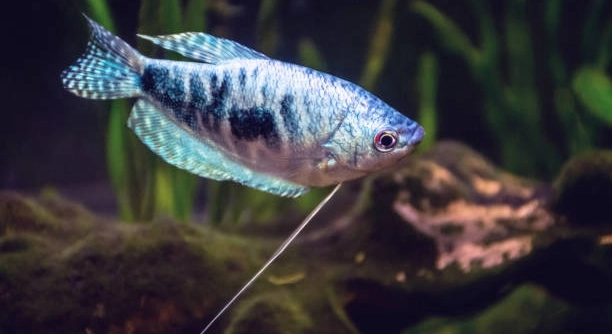
Do your gouramis sometimes rest in strange places, making you pause and wonder if everything is okay in the tank?
Gouramis often choose unusual resting spots due to their labyrinth organ, territorial instincts, or stress-related behavior. These spots can include filter outlets, tank corners, plant leaves, and even upside-down positions near the surface.
Learning about these unique habits can help you understand their needs better and keep their environment peaceful and healthy.
Floating Near the Surface
Gouramis have a special organ called the labyrinth, allowing them to breathe air. Because of this, you might often see them resting near the water’s surface. This behavior is normal and usually nothing to worry about. They tend to float still just below the top layer, especially when they are calm or feeling relaxed. Clear access to the surface is important for them. If the tank is too crowded or the water level is too high, it may stress them. Providing floating plants can also offer support and comfort during these rest periods. Surface floating can become more common when the fish is older or after a feeding session.
It’s a natural behavior, but it’s still important to watch for signs of illness like gasping or staying in one spot for too long.
If your gourami floats often, make sure the water quality is stable. High nitrates or poor oxygen levels can impact their comfort.
Hiding Behind the Filter
Gouramis like having secure places to rest. The space behind a filter often feels safe and quiet, especially if the tank is busy.
This behavior might start if they feel stressed by bright lighting or other tank mates. The filter’s current also provides a bit of stimulation, which can feel soothing when they are trying to rest. For some fish, it’s a sign they want more shelter. If your gourami hides often behind the filter, consider adding more plants or decorations. A shaded or tucked-away spot can reduce stress and allow them to rest more openly. This change can make them feel more secure and reduce the need to stay behind equipment. It’s helpful to check the filter as well. Strong currents or loud vibrations can be uncomfortable over time. Always keep the filter clean and ensure it isn’t pushing them too hard into hiding. Their comfort depends on how calm and balanced the tank feels.
Resting on Plant Leaves
Gouramis often rest on wide, sturdy plant leaves because they feel stable and provide a gentle place to relax. These spots allow the fish to stay near the surface without needing to swim constantly.
If your tank includes broad-leaved plants like Amazon swords or anubias, don’t be surprised if your gourami spends time lounging on them. It’s a comfortable and natural spot for them to slow down, especially after eating or when they’re trying to avoid movement. The leaf surface gives gentle support, and being near the top helps them breathe with ease. This habit is more common when the lighting is soft and the tank feels calm. Make sure the leaves are clean and healthy. Decaying plants can affect water quality and irritate your fish. Regular trimming and stable lighting will help create a good space for plant-based resting.
Choosing live plants instead of fake ones can make a big difference. Real plants are softer and more comfortable for gouramis. Hard plastic edges on artificial plants may scratch or stress the fish, discouraging them from using these spots. Live plants also help with oxygen and filtration, creating a more balanced tank. Keeping a calm setup encourages this healthy and peaceful resting behavior.
Tucked in Tank Corners
Gouramis sometimes rest in tank corners to escape activity. These spots feel calm and protected, especially when lighting is low or decorations are limited. It’s their way of finding a quiet break from busier parts of the tank.
Corners offer a solid boundary that can reduce visual stress. If this becomes frequent, try adding soft decorations nearby so the space feels less bare and more like a natural hiding spot.
Under Floating Decorations
Gouramis like floating decorations because they provide shelter near the surface. Items like floating logs or large plant clusters can block light and create shade, which feels safe and helps them breathe more easily. These areas also help reduce water movement. If your gourami rests under floating objects often, it may be asking for more surface cover throughout the tank. Consider spreading out decorations to give them more options and maintain a calm, evenly lit environment. Keep decorations clean and stable, so they don’t trap waste or move unexpectedly. When well-placed, these floating spots support healthy rest and reduce stress.
Upside Down Under Leaves
This position can look odd but is usually harmless. Gouramis sometimes rest upside down under leaves to stay hidden and still breathe easily. As long as they swim normally afterward, it’s not a cause for concern.
FAQ
Why does my gourami stay still for long periods?
Gouramis often remain still when resting, especially during the day or after eating. Stillness helps them conserve energy. If they look relaxed, breathe normally, and respond when approached, this behavior is usually fine. However, if the stillness comes with rapid breathing, loss of color, or clamped fins, it could point to poor water quality or illness. Always check the ammonia, nitrite, and nitrate levels to rule out stress from the tank environment. Clean water, gentle lighting, and a calm setting help them rest better and reduce unnecessary stillness from stress.
Is it normal for gouramis to sleep upside down?
Yes, it can be. Some gouramis sleep or rest at odd angles, including upside down under leaves or floating objects. This is often due to their natural behavior of finding calm, covered spaces near the surface. If they return to upright swimming shortly after and eat normally, there’s no need to worry. What matters most is consistency in behavior. If this posture is new and comes with a lack of appetite or trouble swimming, it could mean something is wrong. Look for changes in water quality or signs of internal issues before assuming the worst.
Do gouramis rest more when they’re stressed?
Yes, stress can increase resting. When gouramis are overwhelmed by tank mates, light, or noise, they may retreat and rest more often. This is a coping behavior and not necessarily a sign of illness unless paired with other symptoms. To help, reduce strong currents, add hiding spots, and keep lighting low. Avoid sudden tank changes and aggressive species in the same space. Observation is key—if they seem alert when approached but otherwise still, they are likely trying to feel safe. Creating a predictable and quiet environment can help lower stress and improve overall activity levels.
What’s the difference between resting and being sick?
Resting gouramis look peaceful and balanced, with normal breathing and color. They float or sit calmly, often returning to swimming after a short time. Sick gouramis may stay still too, but they often show extra signs: pale or darkened color, clamped fins, fast breathing, or lying on one side. They may avoid food and seem less aware of surroundings. Always start by testing the water and reviewing recent changes in food, temperature, or tank mates. A healthy gourami should still show interest in movement, even if it rests more at times.
Should I be worried if my gourami hides all the time?
Not always. Hiding is normal in new tanks or after a stressful event. Gouramis enjoy quiet, shaded spaces, especially if the tank is busy or exposed. If hiding continues beyond a few days, check for signs of bullying, loud vibrations, or poor water conditions. Add plants and decorations to make open areas feel safer. Rearranging the tank can also help reset territory. As long as the fish eats and swims fine during feeding times, frequent hiding is likely a comfort-seeking habit rather than a health concern.
Can tank lighting affect where gouramis rest?
Yes, lighting plays a big role. Bright light can make gouramis feel exposed, leading them to seek out shaded or hidden spots like tank corners, behind filters, or under floating plants. Use dimmable lights or choose soft, natural lighting to help them feel comfortable throughout the day. Floating plants and tall décor can also help create dappled light and reduce harsh exposure. Gouramis are more active and relaxed when the lighting mimics their natural habitat. Sudden lighting changes, especially at night, can also startle them and affect rest patterns.
Why does my gourami rest near the heater?
If a gourami often stays close to the heater, the rest of the tank might be too cold. They are tropical fish and prefer temperatures between 76°F and 82°F (24°C to 28°C). Uneven heat distribution can lead them to the warmest area for comfort. Check your thermometer in multiple spots and adjust flow to ensure the water is evenly warm. If necessary, reposition the heater or add a small circulation pump. Consistent temperature across the tank encourages them to move freely rather than gather around heated zones for rest.
Do different types of gouramis rest differently?
Yes, different gourami species may have slightly different resting preferences. Dwarf gouramis often rest on leaves and near floating plants, while pearl gouramis may use open areas more often. Three-spot or gold gouramis may hide more if they feel threatened. Behavior also depends on the size of the tank, the number of hiding spots, and the presence of other fish. Watch each species and even each individual fish, as some are naturally more active or more shy. Knowing their preferences helps you set up a tank that feels safe and supportive.
Final Thoughts
Gouramis are peaceful and interesting fish that often rest in unusual spots. These spots can include plant leaves, corners, floating decorations, and even filters or heaters. Their resting habits can sometimes look strange, but in most cases, it is completely normal. Each gourami may have a favorite place to rest depending on its personality, tank setup, and overall comfort. When the tank is calm and the water conditions are stable, gouramis are more likely to rest in visible and unique places. Watching their behavior closely helps you learn what is normal for them and what might need attention.
Stillness in gouramis is not always a cause for concern. It can be a sign of comfort, especially if they are alert and eating well. However, it’s important to notice any changes that come with the stillness. Loss of appetite, clamped fins, unusual swimming, or fading color can all suggest a possible issue. Always check the water first, as poor water quality is often the reason behind stress or sickness. Offering a well-maintained environment with the right temperature, clean water, and soft lighting goes a long way in supporting healthy behavior. Adding plants and places to hide also helps gouramis feel more at ease in their tank.
Understanding your gourami’s resting habits takes time and regular observation. Noticing when and where they rest can help you catch small issues early. Their unique behavior adds personality to your aquarium and can tell you a lot about their health. A gourami that rests in a calm spot and swims around with ease is usually doing fine. With the right setup, care, and attention, your gourami will continue to rest peacefully and stay healthy. It’s always a good idea to support their natural behaviors rather than trying to change them. By providing a peaceful space, you help your gourami feel safe, active, and balanced every day.

Hello,
If you enjoy the content that we create, please consider saying a "Thank You!" by leaving a tip.
Every little bit helps us continue crafting quality advice that supports the health, happiness, and well-being of pets around the world, for pets of all shapes, sizes, and species.
We really appreciate the kindness and support that you show us!