
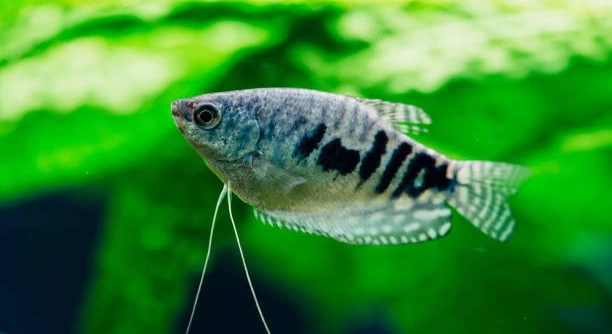
Gouramis are popular freshwater fish kept in home aquariums. Many owners enjoy watching their behavior and wonder how much these fish recognize about their surroundings. Understanding their responses can help improve care and interaction.
Gouramis do show some ability to recognize their owner’s voice or presence through repeated exposure and conditioning. Studies indicate they respond to familiar sounds by changing their behavior, though this recognition is limited compared to mammals.
Learning how gouramis react to their environment can enhance the bond between fish and owner. This insight helps create a more engaging and comfortable aquarium experience.
How Gouramis Learn to Recognize Sounds
Gouramis are known to be quite intelligent for fish. They can learn to associate certain sounds or movements with feeding time or other routines. Over time, they may begin to notice when their owner is near by recognizing repetitive noises, such as footsteps or voice patterns. This is not the same as understanding language, but more about associating familiar sounds with positive experiences. The more consistent the interaction, the stronger their response becomes. It’s a form of conditioning where the fish links a sound with something good, like food. If you regularly talk to your gourami or make similar sounds when feeding, it can start to recognize and react to those cues. This ability helps create a simple form of communication, improving the connection between the fish and the owner without complicated training.
Recognition depends heavily on consistency and patience. Gouramis need time to link sounds with events.
While gouramis do respond to familiar noises, their recognition remains basic. It’s mostly about learned associations rather than true understanding. This means their reactions can be surprising but remain limited compared to pets like dogs or cats.
What This Means for Owners
Understanding that gouramis can recognize voices in a simple way can change how you interact with them. Speaking softly or making calm sounds regularly can encourage the fish to be more comfortable around you. This makes watching and caring for them more enjoyable. However, it’s important to remember that loud or sudden noises might scare them. Keeping a peaceful environment helps your gourami feel safe and build trust.
Regular interaction through sound is beneficial. It encourages your gourami to be more active and responsive.
Because gouramis respond mainly through conditioning, patience is key. Try to create a routine where you speak or make gentle sounds before feeding. Over weeks, the fish will start to associate your voice with food or comfort. This recognition can reduce their stress and make them more interactive. Although their responses won’t be as obvious as with some pets, you may notice your gourami swimming toward the sound or becoming visibly more alert. This small level of recognition can make caring for them feel more rewarding and personal, helping you form a quiet bond through consistent daily interaction.
Signs Your Gourami Recognizes You
Gouramis often show small but clear signs when they recognize their owner. They may swim closer to the front of the tank or follow your movements. Some even change their colors slightly or become more active when you speak or approach the aquarium.
These behaviors suggest a form of recognition based on routine and sound. When a gourami associates your presence with feeding or care, it may respond by coming closer or swimming excitedly. This shows the fish has learned to link your voice or movements with positive experiences. Although the reaction is simple, it still reflects the fish’s ability to notice familiar patterns. Over time, these responses can grow stronger with consistent interaction, making your fish feel more connected and less shy around you.
However, it’s important to observe your gourami’s reactions carefully. Some fish are naturally shy or stressed, which can hide these signs. Avoid sudden noises or quick movements that may frighten them, as this can prevent recognition behaviors from developing. Patience and gentle interaction are key to encouraging your gourami to respond to your voice or presence.
Creating a Stronger Connection with Your Gourami
Speaking softly or tapping lightly on the tank before feeding helps gouramis learn to recognize you. They respond better to calm, gentle cues that become part of their routine. This consistent pattern builds trust and familiarity.
By creating a daily routine, your gourami will begin to expect your presence as part of their day. The fish may swim towards your voice or watch you intently. This shows they associate your sound with food or comfort. Avoid loud noises or sudden movements, as these can cause stress. Instead, maintain a quiet, stable environment to help your gourami feel safe and secure.
The bond formed through sound and routine may seem small, but it makes a difference in how your gourami behaves and interacts. This kind of connection encourages more natural, relaxed behavior and helps you enjoy the calming presence of your fish even more.
How Gouramis Differentiate Voices
Gouramis use their senses to pick up on familiar sounds and vibrations. Over time, they can tell apart the regular voices they hear often from unfamiliar ones. This helps them respond better to their owner’s voice in daily routines.
This ability is limited and based mostly on repetition. The fish do not understand words but recognize tone and pattern. Familiarity helps gouramis stay calm and expect certain actions, like feeding, when they hear known sounds.
Training Your Gourami with Voice
Consistent interaction through a calm voice and gentle tapping helps train gouramis to respond. Repeating the same sounds during feeding times builds recognition. This simple routine encourages the fish to associate your voice with food and safety. Patience and quiet help make this training effective.
Impact of Environment on Recognition
A peaceful and stable environment helps gouramis focus on learning familiar sounds. Loud noises or changes can cause stress, which limits their ability to recognize voices and respond well. Keeping a calm aquarium supports better interaction.
FAQ
Can gouramis really recognize their owner’s voice?
Gouramis can recognize their owner’s voice to a limited extent. They do this by learning to associate familiar sounds and tones with positive experiences, like feeding. It’s more about routine and repetition than true understanding. Over time, they respond better to voices they hear often.
How long does it take for a gourami to recognize my voice?
Recognition usually develops over several weeks of consistent interaction. If you talk softly or make the same sounds around feeding times every day, your gourami will start responding by swimming closer or becoming more alert. Patience is important because each fish learns at its own pace.
What are common signs that my gourami recognizes me?
Signs include swimming toward your voice or presence, becoming more active, and showing brighter colors. Your gourami might also follow your movements or come near the tank glass when you speak. These behaviors indicate they associate you with food or safety.
Can loud noises scare my gourami and affect recognition?
Yes, loud or sudden noises can stress gouramis and make them shy or hide. Stress interferes with their ability to learn and recognize voices. Keeping a quiet and calm environment helps your fish feel safe and more likely to respond positively.
Is it possible to train gouramis like other pets?
Training gouramis is simpler than with dogs or cats. They respond mainly through conditioning, meaning they learn to associate sounds or actions with rewards like food. Regular, gentle interaction helps reinforce this connection, but their responses will remain basic.
Do all gouramis recognize voices the same way?
No, individual gouramis can vary in how well they recognize voices. Some may be more social or curious, while others are shy and less responsive. Factors like species, environment, and past experiences also influence how much they react.
How can I improve my gourami’s recognition of my voice?
Speak calmly and consistently during feeding or care routines. Use gentle tones and repeat sounds daily. Avoid sudden changes in volume or tone, which can confuse or scare your fish. Over time, this steady interaction builds recognition.
Can gouramis recognize voices through closed doors or windows?
Gouramis rely on vibrations and sound waves, so voices behind closed doors or windows may be harder for them to detect clearly. They respond best to sounds close to the tank where vibrations travel more easily in the water.
Will gouramis remember my voice if I’m away for a while?
Gouramis can remember familiar sounds for some time, but long absences may weaken this recognition. Consistent interaction helps keep their response strong. If you return after a break, your fish might need a short time to readjust.
Are there other ways gouramis recognize their owners?
Besides voice, gouramis recognize owners through routine actions like feeding schedules and movements near the tank. They may also respond to visual cues like hand gestures or shadows. Sound and routine together create a fuller recognition experience.
Does the size of the aquarium affect recognition?
In smaller tanks, gouramis are more likely to notice and respond to their owner’s voice due to proximity. In large tanks, sound and vibrations may disperse, making it harder for the fish to recognize familiar cues.
Can stress or illness affect a gourami’s ability to recognize voices?
Yes, stress or poor health can reduce a gourami’s responsiveness. When fish feel unwell or threatened, they focus more on survival than learning. Ensuring a clean tank and good care supports better recognition and interaction.
What is the best time of day to interact with my gourami?
Gouramis are often more active during feeding times, so interacting just before feeding is effective. They are more likely to respond to familiar sounds when they expect food or care, making recognition clearer.
Can gouramis recognize the voices of multiple people?
They can recognize multiple voices if those voices are consistently present around the tank and linked to feeding or care. However, recognition might be stronger for the person who interacts with them most often.
Is it normal for gouramis to ignore my voice sometimes?
Yes, sometimes gouramis may not respond, especially if they are resting, hiding, or stressed. Their recognition is limited and depends on mood and environment. This doesn’t mean they don’t remember you, just that they aren’t always reactive.
How do I know if my gourami is stressed?
Signs include hiding frequently, loss of color, erratic swimming, or refusing food. Stress lowers their ability to recognize voices and respond. Maintaining clean water, stable temperature, and quiet surroundings helps reduce stress and improve interaction.
Can other aquarium noises affect recognition?
Background noises like filters, air pumps, or music can compete with your voice, making it harder for gouramis to focus on your sound. Minimizing distractions and keeping consistent tones helps your fish notice and recognize your voice better.
Are there any species of gourami better at recognizing voices?
Some gourami species, like the dwarf gourami, tend to be more interactive and responsive, possibly showing better recognition. However, differences between species are small, and individual temperament plays a larger role in response.
What should I avoid when trying to get my gourami to recognize my voice?
Avoid shouting, sudden loud noises, or tapping aggressively on the tank. These can frighten your fish and reduce their trust. Consistent, gentle, and calm sounds encourage better recognition and comfort.
Can I use music or recordings to train my gourami?
Gouramis respond best to natural, live sounds like your voice. Music or recordings might confuse them since they don’t understand the source or meaning. Using your own voice in feeding routines is more effective for recognition.
Gouramis show a simple ability to recognize their owner’s voice through repeated sounds and routines. This recognition is based on conditioning, meaning the fish learn to connect familiar noises with things like feeding or safety. They don’t understand words, but they can tell when a voice or sound is familiar. Over time, gouramis may respond by swimming closer or becoming more active when they hear their owner. This shows that even fish have a small way to connect with the people who care for them.
The way gouramis recognize voices depends a lot on how owners interact with them. Consistency is important — speaking softly and regularly during feeding times helps the fish learn to associate the voice with food. It also helps to keep the environment calm and free from sudden noises, which can cause stress. Stressful conditions make it harder for gouramis to respond and recognize familiar sounds. So, gentle and quiet care improves their ability to recognize and react to their owner’s voice. This simple interaction can make taking care of gouramis more enjoyable.
Although gouramis do not have the same level of recognition as pets like dogs or cats, the connection formed through voice and routine still matters. It helps the fish feel more comfortable and less shy, which can improve their overall health and behavior. For many owners, these small signs of recognition create a meaningful bond. Understanding how gouramis respond to voices can lead to better care and a more peaceful aquarium experience. Patience and gentle attention go a long way in helping your gourami feel safe and connected.

Hello,
If you enjoy the content that we create, please consider saying a "Thank You!" by leaving a tip.
Every little bit helps us continue crafting quality advice that supports the health, happiness, and well-being of pets around the world, for pets of all shapes, sizes, and species.
We really appreciate the kindness and support that you show us!