
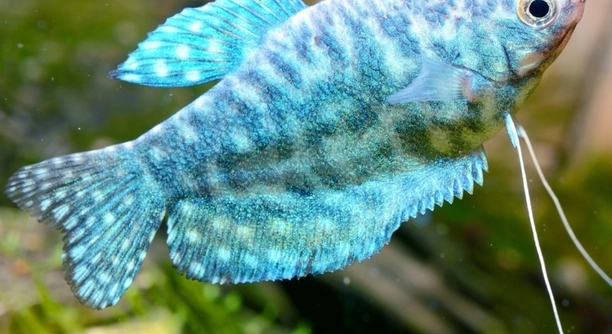
Gouramis are fascinating freshwater fish known for their curious nature and distinct behaviors. Observing their movements can reveal much about their exploration patterns within their environment. Understanding these actions helps aquarists better care for their aquatic pets.
Seven specific gourami movements indicate their exploratory behavior. These include fin fluttering, slow circling, substrate nudging, surface air gulping, body tilting, lateral gliding, and sudden darting. Each move serves a role in environmental assessment and interaction with surroundings.
Recognizing these movements can enhance the way you observe and interact with your gourami, improving their well-being in captivity.
Fin Fluttering and Slow Circling
Fin fluttering is one of the most common movements gouramis use to explore their surroundings. They gently flap their pectoral fins while remaining mostly still. This action helps them sense water currents and nearby objects. Slow circling follows fin fluttering and involves the fish swimming in a calm, circular pattern. This behavior allows gouramis to inspect an area more closely and gather information about potential hiding spots or food sources. Both movements indicate a cautious but curious approach to exploration, showing the fish’s need to remain aware of their environment while minimizing risk. These subtle motions provide valuable insight into how gouramis adapt to new tanks or changes within their habitat.
These behaviors occur frequently when gouramis encounter unfamiliar settings or rearranged tank decorations. Monitoring these movements can help aquarists detect signs of stress or comfort.
Fin fluttering and slow circling are quiet ways gouramis gather sensory data. Observing these can deepen understanding of their comfort levels and how they interact with the tank environment.
Substrate Nudging and Surface Air Gulping
Substrate nudging involves gouramis lightly pushing or tapping the bottom of the tank with their mouths or bodies. This action helps them explore the texture and detect small food particles or potential threats. It is often a sign that the fish is actively investigating its environment. Surface air gulping is another key movement, where gouramis swim to the water surface and take in air. This is necessary because they possess a labyrinth organ allowing them to breathe atmospheric oxygen. This behavior is common in low-oxygen tanks or during periods of increased activity.
Substrate nudging shows active exploration and foraging behavior. Surface air gulping supports their unique respiratory system, indicating environmental conditions or activity levels.
Substrate nudging plays a significant role in how gouramis interact with their tank’s floor. It allows them to find food and assess the cleanliness of their environment. Consistent nudging may signal interest in the tank’s substrate quality or possible food presence. Surface air gulping, while normal, can also indicate oxygen levels. If observed frequently, it may suggest the tank requires better aeration or water circulation. Both movements are essential for understanding gourami health and comfort. They reveal much about the fish’s daily routine and environmental responses. Aquarists should watch for changes in these behaviors to ensure optimal living conditions.
Body Tilting and Lateral Gliding
Body tilting happens when gouramis angle their bodies, often tilting slightly to one side. This movement helps them view objects or areas from different perspectives, enhancing spatial awareness. It is a subtle but deliberate behavior linked to careful observation.
Tilting can indicate that gouramis are examining their environment more closely, especially when something catches their attention. This behavior is often paired with slow movements or pauses, suggesting the fish is assessing whether to approach or avoid an object. It reflects their cautious nature when exploring unfamiliar territories.
Lateral gliding involves smooth, sideways swimming movements along tank surfaces or plants. It allows gouramis to inspect narrow spaces without drawing much attention. This methodical motion helps them navigate their habitat efficiently, reducing stress while gathering information about their surroundings.
Sudden Darting
Sudden darting is a rapid, sharp movement that gouramis use to investigate or react quickly to stimuli. This burst of speed can serve to startle prey or avoid perceived threats. It reflects their alertness and adaptability in the tank environment.
This behavior often follows slower exploration actions, signaling a shift from cautious observation to quick response. It may occur when gouramis spot something interesting or when they feel disturbed by external factors. Sudden darting helps them cover more ground quickly and avoid danger. Watching these swift movements provides insight into their comfort levels and reactions to changes in their tank. It also highlights the importance of providing a stable environment to minimize stress.
Fin Spreading
Fin spreading is when gouramis fully extend their fins, making themselves appear larger. This can be a display of curiosity or a way to feel more secure while exploring. It also helps them maneuver through tight spaces with greater control.
This behavior often occurs near new objects or tank mates. Fin spreading signals that the gourami is alert and actively engaging with its environment, showing confidence or cautiousness depending on the situation.
Gentle Pecking
Gentle pecking involves light tapping or nibbling on plants, decorations, or tank glass. This is part of their exploration, testing textures and searching for food particles. It reflects their natural foraging instincts and interaction with the tank setup.
Hovering Near Plants
Gouramis often hover near plants to feel safe while observing their surroundings. Plants offer shelter and a sense of security, allowing them to explore without feeling exposed. This behavior is common in well-planted tanks, promoting comfort during exploration.
Tail Flicking
Tail flicking consists of quick, small movements of the tail fin. It can indicate alertness or a reaction to changes in the environment. This movement helps gouramis maintain balance and readiness as they navigate their space.
What does it mean when a gourami flutters its fins?
Fin fluttering is a way gouramis sense their surroundings. By gently moving their fins, they detect changes in water flow and nearby objects. This behavior often shows curiosity and careful exploration. It also helps them stay aware of other tank inhabitants and any potential changes in their environment.
Why do gouramis circle slowly around the tank?
Slow circling is a deliberate movement used to inspect the area. Gouramis swim calmly in circles to gather detailed information about their habitat. This allows them to find safe spots, sources of food, or places to hide. It’s a cautious form of exploration, showing the fish is comfortable enough to investigate without rushing.
What is substrate nudging and why do gouramis do it?
Substrate nudging involves the fish tapping or pushing the tank bottom with their mouths or bodies. This helps them explore textures and search for hidden food particles. It’s a natural foraging behavior that also allows gouramis to check the cleanliness and safety of their environment.
How often should I expect my gourami to gulp air at the surface?
Surface air gulping is normal because gouramis have a labyrinth organ that lets them breathe atmospheric oxygen. The frequency depends on tank oxygen levels and activity. More frequent gulping might suggest low oxygen or high activity, while occasional gulping is typical and not a concern.
Why do gouramis tilt their bodies while swimming?
Body tilting helps gouramis view objects or areas from different angles. This increases their awareness of the environment and helps them decide whether to approach or avoid something. It’s a subtle but important part of their exploration process.
What does lateral gliding tell me about my gourami’s behavior?
Lateral gliding is a smooth, sideways swimming movement used to explore narrow spaces quietly. It shows that the fish is methodically gathering information and trying to remain calm while navigating its surroundings. This behavior indicates a comfortable but alert state.
Is sudden darting a sign of stress or normal behavior?
Sudden darting is a natural reaction to stimuli, either to investigate quickly or avoid potential threats. While it often signals alertness, frequent or frantic darting may indicate stress or discomfort. Observing the context and frequency can help determine if the behavior is healthy or a sign of an issue.
What does fin spreading indicate in gouramis?
Fin spreading makes the gourami appear larger and more confident. It can be a sign of curiosity, territorial display, or readiness to navigate through tight areas. Watching when and how often this occurs helps gauge the fish’s comfort and mood.
Why do gouramis peck gently at plants or tank surfaces?
Gentle pecking is part of their natural foraging instinct. They explore textures, check for food particles, and interact with their environment through light tapping or nibbling. This behavior supports their need to investigate and understand their surroundings.
How does hovering near plants benefit gouramis?
Hovering near plants provides security and shelter. Plants create a safe zone, allowing gouramis to observe the tank without feeling exposed. This behavior promotes calmness and encourages exploration while reducing stress.
What does tail flicking signify in gouramis?
Tail flicking is a quick movement that helps maintain balance and readiness. It can indicate alertness or a reaction to environmental changes. This small motion keeps the fish prepared for sudden movements or adjustments in their position.
How can I encourage my gourami to explore more?
Providing a varied and enriched tank environment encourages exploration. Adding plants, decorations, and hiding spots creates interest and stimulation. Maintaining clean water and stable conditions supports their health and confidence to move around freely.
When should I be concerned about my gourami’s movements?
Concern arises if movements become erratic, overly frequent, or accompanied by signs of distress like rapid breathing, clamped fins, or lethargy. Changes in normal exploration behavior may indicate illness, poor water quality, or stress that needs addressing.
Can gourami movements indicate their health status?
Yes, many movements reflect health. Calm and regular exploration suggests good health, while unusual or absent movements may signal problems. Monitoring behaviors like fin fluttering, darting, or air gulping provides insight into their well-being and tank conditions.
What environmental factors affect gourami exploration behavior?
Water temperature, oxygen levels, tank size, and decoration all impact exploration. Stable temperatures and proper oxygen encourage active behavior. Overcrowded or bare tanks may reduce movement. Providing a balanced environment helps gouramis feel secure and willing to explore.
Final Thoughts
Gouramis show many movements that reveal how they explore their surroundings. These behaviors are important signs of their comfort and curiosity in the tank. Paying attention to movements like body tilting, fin spreading, and gentle pecking helps understand their mood and health. Recognizing these actions can improve how you care for them and create a better environment that meets their needs.
Providing a varied and safe environment encourages gouramis to move freely and explore. Plants, decorations, and open swimming spaces offer stimulation and shelter, reducing stress. Stable water conditions with proper temperature and oxygen levels support healthy activity. When gouramis feel secure, their natural exploratory behaviors become more visible and regular. This balance between comfort and interest is key to their well-being.
Observing gouramis over time allows you to notice changes in their movements that may signal health or environmental issues. Sudden or frequent darting, lack of fin fluttering, or unusual air gulping can indicate stress or illness. Regular monitoring and maintaining tank conditions will help prevent problems. Understanding these movement patterns strengthens your ability to provide proper care and keep gouramis thriving in their habitat.

Hello,
If you enjoy the content that we create, please consider saying a "Thank You!" by leaving a tip.
Every little bit helps us continue crafting quality advice that supports the health, happiness, and well-being of pets around the world, for pets of all shapes, sizes, and species.
We really appreciate the kindness and support that you show us!