
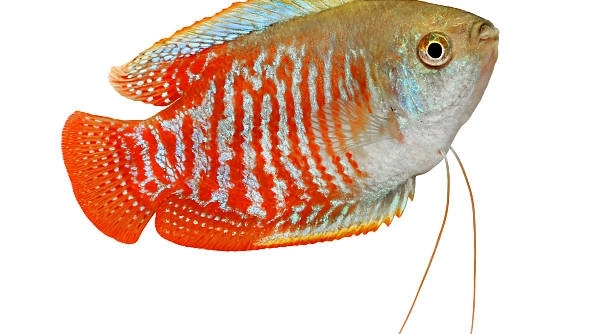
Gouramis are popular aquarium fish known for their bright colors and peaceful nature. However, they can sometimes show behaviors that indicate they are asserting control over their environment. Recognizing these signs helps maintain a balanced tank.
Gouramis display territorial behaviors through physical displays, changes in swimming patterns, and interactions with tank mates. These signs indicate their efforts to claim and defend specific areas within the aquarium, ensuring their comfort and dominance in the shared space.
Identifying these behaviors allows aquarists to create a healthier environment for all fish, preventing conflicts and promoting harmony in the tank.
Signs of Aggressive Behavior in Gouramis
Aggression is a clear sign that a gourami is claiming its space. This behavior may include chasing other fish, flaring its fins, or even nipping at tank mates. These actions are usually attempts to establish dominance or protect a preferred area within the aquarium. Gouramis may also display vibrant colors to intimidate others. This can happen when the tank is overcrowded or when there are insufficient hiding spots. Recognizing aggressive behavior early can prevent injury and stress among fish. Providing ample space and decorations helps gouramis feel secure and reduces the need for territorial disputes. Observing your gourami’s interactions closely allows you to identify any signs of tension. Acting promptly ensures a calmer, healthier tank environment for all aquatic inhabitants.
Aggression in gouramis is often temporary and linked to specific triggers such as breeding or changes in the tank setup. Managing these factors is key to maintaining peace.
Creating a balanced environment involves careful monitoring of tank conditions and fish behavior. Adjustments such as rearranging plants, adding hiding places, or separating aggressive individuals may be necessary. Avoiding sudden changes in water parameters and maintaining proper feeding routines also supports harmony. Understanding these needs helps keep gouramis comfortable and reduces their urge to defend territory aggressively. Regular observation combined with thoughtful tank management creates a positive living space for gouramis and their companions.
Territorial Marking and Space Claiming
Territorial gouramis often patrol specific areas, marking boundaries by swimming repeatedly around them. This behavior signals other fish to keep away. It is a natural method to control and protect their space. Tank size and layout significantly influence territorial behaviors. Smaller tanks increase competition for limited space, which can heighten territorial displays. Gouramis may use bubbles or nest-building as additional signals to claim areas. These actions usually occur during breeding seasons but can also happen anytime the fish feels threatened or unsettled.
Territorial marking helps gouramis maintain order and reduce direct confrontations by establishing clear boundaries. Observing these patterns aids in managing tank harmony.
Preventing excessive territorial behavior starts with providing sufficient space and environmental enrichment. Plants, rocks, and decorations create visual barriers, helping gouramis feel secure. Dividing the tank with decorations or partitions can also reduce conflicts. Ensuring that gouramis have personal areas limits stress and aggressive tendencies. Monitoring how gouramis respond to tank layout changes informs necessary adjustments. Prioritizing space management leads to a peaceful aquarium where gouramis coexist with minimal tension.
Changes in Swimming Patterns
Gouramis may alter their swimming when claiming territory. They often patrol the same routes repeatedly. This behavior marks their area and discourages other fish from entering.
Repeated swimming along tank edges or near specific decorations signals territorial boundaries. These routes become predictable zones that the gourami defends actively. Other fish tend to avoid these areas to reduce conflict. When the tank layout changes, gouramis might increase patrols to reestablish their territory. In smaller tanks, this behavior becomes more intense due to limited space. Monitoring these patterns helps determine when a gourami feels threatened or dominant.
Watching for changes in swimming behavior is essential to managing territorial stress. Providing enough room and rearranging tank elements can ease tension and improve coexistence among fish. Adjusting the environment encourages gouramis to feel secure and reduces their need to patrol aggressively.
Display of Color Intensity
Gouramis often intensify their colors when asserting dominance. Bright coloration signals strength and helps deter rivals from approaching their territory. This display serves as a warning rather than an immediate threat.
Color changes usually accompany other territorial behaviors such as fin flaring or chasing. These visual signals are a natural way for gouramis to avoid physical fights. However, prolonged stress from frequent displays can weaken the fish. Ensuring a well-balanced environment with proper lighting and diet supports healthy coloration without excessive aggression. Understanding these color changes helps in assessing your gourami’s mood and territorial status.
Maintaining stable water conditions and avoiding overcrowding reduces stress-related color shifts. By monitoring and adjusting the tank environment, it is possible to keep gouramis calm and vibrant while minimizing aggressive displays. This balance improves overall fish health and tank harmony.
Nest Building Behavior
Gouramis build bubble nests as part of their breeding and territorial instincts. These nests mark their claimed space in the tank.
The presence of a bubble nest often increases territorial behavior. Gouramis become more protective of the area around the nest, chasing away other fish to safeguard it.
Increased Hiding and Retreating
When feeling threatened, gouramis may retreat to specific hiding spots repeatedly. This behavior shows their need to protect themselves within their territory.
Repeated use of hiding places indicates stress or territorial tension. Providing ample cover helps gouramis feel secure and reduces aggressive encounters.
Interactions with Tank Mates
Gouramis often test boundaries by nudging or chasing tank mates. This behavior defines social hierarchy and territorial limits within the aquarium.
Changes in Appetite
A territorial gourami might eat less or more aggressively guard feeding areas. Appetite shifts can indicate stress or dominance behavior.
What causes gouramis to claim space aggressively?
Territorial behavior in gouramis is usually triggered by limited space, breeding instincts, or stress from overcrowding. When their environment feels crowded or disrupted, gouramis act to protect their preferred areas. This can include chasing other fish, patrolling boundaries, or displaying bright colors to warn rivals. Ensuring proper tank size and a stable environment helps reduce these aggressive tendencies.
How can I tell if my gourami is stressed due to territorial disputes?
Signs of stress include rapid breathing, hiding excessively, loss of appetite, and faded colors. Aggressive behavior like constant chasing or fin nipping may also indicate stress. Monitoring these symptoms early allows intervention before the fish suffer serious health effects.
Is it normal for gouramis to build bubble nests frequently?
Yes, bubble nest building is natural, especially for males during breeding. It’s a way to claim territory and prepare a site for eggs. Even without a female present, males may build nests as part of their instinct to secure a space.
Can territorial behavior harm other fish in the tank?
Yes, aggressive gouramis may injure other fish by chasing, nipping, or stressing them out. This can lead to fin damage, weakened immune systems, and increased vulnerability to disease. Keeping the tank balanced with enough space and hiding spots minimizes harm.
What tank size is best to reduce territorial behavior?
A larger tank, ideally 30 gallons or more, gives gouramis ample room to spread out and reduces competition. More space means less overlap in territories and fewer conflicts. Tank shape and decorations also influence how gouramis establish their zones.
How does tank decoration affect gourami territory claims?
Plants, rocks, and decorations create visual barriers and hiding spots. These help gouramis feel secure and reduce direct confrontations by breaking line of sight. Arranging the tank to provide multiple territories can ease tension among fish.
Should I separate aggressive gouramis from others?
If aggression causes injury or constant stress, separating fish is often necessary. Using tank dividers or separate tanks prevents fighting and protects weaker fish. It’s important to monitor behavior closely to decide if separation is needed.
Does feeding schedule impact territorial disputes?
Inconsistent or insufficient feeding can increase competition and aggression. Regular, adequate feeding reduces food-related conflicts and helps gouramis feel less threatened. Feeding in multiple locations also lowers territorial guarding of feeding spots.
Can gouramis change their behavior over time?
Yes, gouramis may become more or less territorial depending on tank conditions, maturity, and social dynamics. Changes in tank size, new fish introductions, or environmental stress can affect their behavior. Observing patterns helps adjust care accordingly.
What role does water quality play in territorial behavior?
Poor water quality increases stress, which can heighten territorial aggression. Maintaining clean water with stable parameters promotes calmness and better health. Regular testing and proper filtration are essential for a balanced tank environment.
How to safely introduce new gouramis to an established tank?
Introduce new gouramis slowly and provide plenty of hiding places. Rearranging decorations before adding new fish helps disrupt existing territories and reduces aggression. Monitor interactions closely during the first days and be ready to separate fish if fights escalate.
Are certain gourami species more territorial than others?
Some gourami species, like the Three-spot gourami, tend to be more territorial than others. Knowing the temperament of your gourami species helps set expectations and manage tank mates better. Researching species-specific behavior supports proper aquarium planning.
Can gouramis coexist peacefully with other fish?
Yes, with proper tank size, décor, and compatible tank mates, gouramis can coexist peacefully. Avoid housing them with overly aggressive or very timid species. Matching temperaments and providing enough space lowers territorial disputes and promotes harmony.
What signs indicate a gourami is ready to breed?
Increased bubble nest building, intensified color, and more frequent territorial displays often signal readiness to breed. Males may become more aggressive to protect their nest. Recognizing these signs helps manage breeding conditions and reduces tank stress.
How to reduce aggression without separating fish?
Improving tank layout with plants and decorations, increasing tank size, and ensuring regular feeding helps lower aggression. Adding more hiding spots breaks lines of sight and disperses territories. Keeping stress low and providing enrichment supports peaceful behavior.
Understanding how gouramis claim space is essential for maintaining a peaceful aquarium. Territorial behavior is a natural part of their instincts, especially in confined environments. Recognizing the signs—such as changes in swimming patterns, increased color intensity, or bubble nest building—can help manage their environment effectively. Proper tank size, sufficient decorations, and regular feeding reduce tension and make the aquarium more comfortable for all fish. This knowledge supports healthier fish and a calmer tank atmosphere.
Creating a balanced environment for gouramis requires attention to their needs and behaviors. When gouramis feel secure, they are less likely to become aggressive or stressed. Providing plenty of hiding spots and visual barriers breaks up the tank into smaller territories. This arrangement limits direct confrontations and allows each fish to claim a personal space. Maintaining water quality and stable conditions also helps prevent stress-related aggression. Overall, a well-planned tank minimizes conflicts and promotes harmony among tank mates.
Managing gouramis’ territorial behavior is a continuous process. Changes in tank population, décor, or water conditions can affect how gouramis interact. Regular observation and adjustments ensure a healthy environment for these fish. Sometimes, separating overly aggressive gouramis is necessary to protect others. Being proactive in addressing signs of territorial stress leads to better fish health and tank balance. This approach creates a space where gouramis and their tank mates can coexist peacefully over time.

Hello,
If you enjoy the content that we create, please consider saying a "Thank You!" by leaving a tip.
Every little bit helps us continue crafting quality advice that supports the health, happiness, and well-being of pets around the world, for pets of all shapes, sizes, and species.
We really appreciate the kindness and support that you show us!