
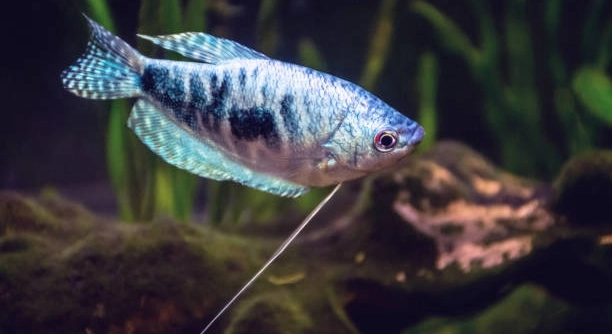
Gouramis are popular freshwater fish kept in home aquariums. Knowing when to change their water is important for their health and comfort. These fish show subtle signs when their environment needs attention.
Gouramis signal the need for a water change through changes in behavior, appearance, and activity levels. These signs include increased surface gulping, faded colors, lethargy, and unusual hiding. Recognizing these indicators helps maintain a healthy tank environment.
Observing these cues can keep your gouramis happy and thriving. Understanding their signals is key to proper aquarium care and water quality management.
Changes in Swimming Behavior
When gouramis feel uncomfortable in their water, their swimming patterns often change. You might notice they swim more slowly or stay near the surface longer than usual. Sometimes, they hide in corners or cling to plants more often. These behaviors usually indicate poor water quality. Gouramis rely on clean water for oxygen and comfort. If the water gets dirty, they struggle to breathe and avoid open areas. This shift in movement can be a clear sign that it’s time for a water change. Watching their behavior closely can help you spot problems early, preventing health issues. Regular water changes improve their environment and encourage natural, active swimming. Being attentive to how your gouramis move helps ensure they remain healthy and happy in their tank.
Slow swimming or hiding can mean the water needs refreshing.
Noticing changes in your gouramis’ swimming is important. Slow or erratic movements often point to low oxygen or buildup of toxins in the water. These signs should prompt an immediate water change to improve conditions. Fresh water restores oxygen levels and reduces harmful substances, helping gouramis regain normal activity. Maintaining this routine supports their well-being and longevity.
Surface Gulping and Gasping
Gouramis occasionally come to the surface to gulp air, but excessive surface gulping can be a warning sign. This behavior suggests low oxygen levels in the tank water. When oxygen decreases, gouramis try to breathe at the surface where oxygen concentration is higher. This often happens when the water is dirty or overcrowded. Monitoring this behavior is important because it signals the need for a water change to restore oxygen balance. Regular partial water changes keep oxygen levels stable, which prevents stress and illness in gouramis. Removing waste and uneaten food through water changes also helps keep the tank healthy. Being proactive about water quality ensures gouramis stay comfortable and active, reducing chances of respiratory problems related to poor water conditions.
Faded Colors
Faded or dull colors in gouramis often mean poor water quality. Clean water helps maintain their vibrant appearance.
When the water becomes dirty or unbalanced, gouramis may lose their bright colors. This fading happens because stress from poor conditions affects their health. Regular water changes remove toxins and waste that cause discoloration. Clear, fresh water supports the natural pigments in their skin and scales. If you notice your gouramis’ colors fading, it’s a clear sign to change the water promptly. Keeping their environment clean helps them look lively and healthy.
Sometimes, color fading can also signal illness or stress, so it’s important to check water conditions first. Improving water quality through frequent changes usually restores their natural colors within days. Watching for this sign helps you act early to protect your fish.
Increased Hiding
Gouramis hide more when they feel stressed or unsafe. Dirty water can cause this behavior.
Hiding frequently means your gouramis may be uncomfortable. Poor water quality, such as high ammonia or nitrate levels, can stress them, making them seek shelter more often. Stress weakens their immune system and slows growth. Changing the water regularly reduces harmful chemicals and improves clarity. This creates a safer environment that encourages your gouramis to swim freely and explore their tank again.
If you notice your gouramis hiding more than usual, test the water parameters immediately. Consistent water changes are key to reducing stress and promoting natural behavior. A balanced tank environment helps them feel secure and active.
Cloudy or Murky Water
Cloudy water is a clear sign that the tank needs attention. It often means waste and debris are building up.
Dirty water affects gouramis’ health by lowering oxygen and increasing harmful substances. Regular water changes keep the water clear and safe for them to thrive.
Unusual Appetite Changes
A sudden loss or increase in appetite can indicate water quality issues. Poor water conditions stress gouramis, affecting their eating habits. Ensuring regular water changes keeps their environment stable, supporting normal feeding behavior. Monitoring appetite alongside water quality helps catch problems early and maintain healthy fish.
Increased Waste Production
If your gouramis produce more waste than usual, it could mean the water quality is poor. Waste buildup in the tank requires more frequent water changes to maintain a healthy environment. Clean water reduces harmful toxins and keeps your fish comfortable.
How often should I change the water in my gourami tank?
Water changes depend on tank size, filtration, and fish load. Generally, a 25% water change every one to two weeks is recommended for gouramis. More frequent changes might be needed if the tank is small, overcrowded, or shows signs of poor water quality. Regular partial changes help maintain stable water conditions and reduce toxin buildup, which supports gourami health and reduces stress. Observing your fish’s behavior and water clarity can guide adjustments to this schedule.
What are the best ways to perform a water change without stressing gouramis?
Perform water changes slowly and carefully to avoid shocking your gouramis. Use a siphon to remove water from the tank’s bottom and replace it with dechlorinated, temperature-matched water. Changing about 20-30% at a time is safe and effective. Avoid sudden large water changes, which can upset water chemistry and stress the fish. Turning off tank lights during changes and moving slowly around the tank also helps minimize stress.
Can I use tap water directly for water changes?
Tap water usually contains chlorine or chloramine, which are harmful to fish. Always treat tap water with a water conditioner to remove these chemicals before adding it to your tank. Additionally, check that the water temperature matches the tank water to avoid temperature shock. Testing your tap water for pH, hardness, and other parameters is a good idea, especially if your fish show signs of stress or illness.
What signs indicate it’s an emergency and I need to change the water immediately?
If your gouramis are gasping at the surface, swimming erratically, or hiding excessively, these are urgent signals to change the water. Cloudy or foul-smelling water and rapidly fading colors are also red flags. In such cases, perform a partial water change immediately to remove toxins and improve oxygen levels. Afterward, test water parameters to identify the root cause and adjust maintenance routines accordingly.
Is it okay to clean the tank decorations and plants during a water change?
Cleaning decorations and plants occasionally helps prevent algae and waste buildup but avoid over-cleaning. Use only tank water or dechlorinated water to gently rinse them. Avoid soap or chemicals, as these can harm your gouramis. Cleaning too often or too thoroughly can remove beneficial bacteria essential for a healthy tank ecosystem. A light rinse every few weeks during water changes is usually sufficient.
How can I maintain good water quality between water changes?
Regular feeding in small amounts helps reduce excess waste. Use a good filtration system that fits your tank size and stock level. Test water parameters frequently to catch any imbalance early. Avoid overcrowding and remove uneaten food promptly. Live plants can also improve water quality by absorbing nitrates. These habits, combined with scheduled water changes, maintain a stable and healthy environment for your gouramis.
What happens if I change too much water at once?
Changing too much water at once can cause sudden shifts in temperature, pH, and other chemical levels. These rapid changes can shock gouramis, leading to stress, illness, or even death. Large water changes also remove beneficial bacteria that help break down waste. It’s safer to perform smaller, more frequent water changes to keep the tank stable and the fish comfortable.
Are there differences in water change needs between male and female gouramis?
Male and female gouramis generally have similar water care needs. However, males can be more territorial and sensitive to stress, so maintaining excellent water quality is particularly important for them. Both sexes benefit equally from regular, partial water changes and stable tank conditions to stay healthy and display their best colors. Gender alone does not require different water change routines.
Can I change water during the day, or is it better to do it at night?
Water changes can be done anytime, but doing them when the tank lights are off or dimmed may reduce stress. Gouramis and other fish are less active in low light, so changes then are less disruptive. Avoid changing water right before feeding, as this can confuse the fish. Consistency and gentle handling during water changes are more important than the exact time of day.
How does overfeeding affect the need for water changes?
Overfeeding leads to leftover food sinking and decomposing, which increases waste and toxin levels in the tank. This puts extra strain on your filtration system and accelerates water quality decline. As a result, more frequent water changes may be necessary to keep the tank safe. Feeding your gouramis small amounts they can finish quickly helps minimize waste and maintains cleaner water for longer periods.
Maintaining clean water is one of the most important parts of keeping gouramis healthy and happy. These fish depend on good water quality to breathe easily and stay free from stress. When the water gets dirty or the levels of harmful substances rise, gouramis show clear signs that it’s time for a water change. Paying close attention to their behavior, appearance, and the condition of the water can help you act before problems become serious. Regular water changes remove waste, reduce toxins, and keep oxygen levels high, which creates a comfortable living environment for your fish.
It’s also important to have a consistent routine for water changes. Small, partial water changes done regularly are much better than doing large, sudden changes only occasionally. Sudden shifts in water chemistry can shock the fish and cause more harm than good. Using clean, treated water that matches the tank temperature will keep your gouramis safe during the change. Watching for signs like faded colors, sluggish swimming, or gasping at the surface gives clues about when the water needs refreshing. A clean tank will help your gouramis stay vibrant and active.
Lastly, combining water changes with good tank maintenance habits is key to success. Feeding your gouramis the right amount, avoiding overcrowding, and keeping the filter working well all support water quality. Cleaning decorations gently and removing uneaten food also make a difference. When these steps are done together, your gouramis can enjoy a healthy, stable environment. Paying attention to their signals and keeping the water fresh helps prevent illness and stress. Taking these actions shows care and helps your gouramis thrive for a long time.

Hello,
If you enjoy the content that we create, please consider saying a "Thank You!" by leaving a tip.
Every little bit helps us continue crafting quality advice that supports the health, happiness, and well-being of pets around the world, for pets of all shapes, sizes, and species.
We really appreciate the kindness and support that you show us!