
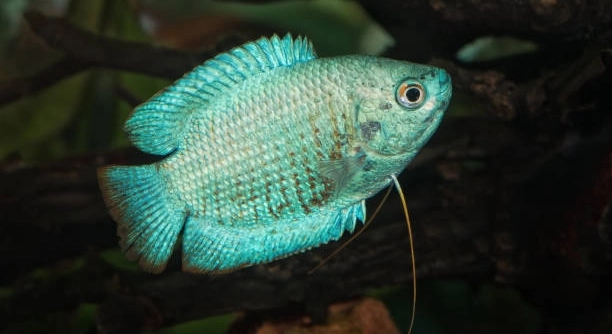
Are your gouramis acting shy or sluggish lately, leaving you unsure of how to encourage more vibrant and active behavior?
Feeding gouramis certain nutrient-rich foods can enhance their energy, coloration, and social behaviors. Ingredients like spirulina, brine shrimp, and vegetables play a key role in supporting their mood and overall vitality.
These food options are simple to include in your gourami’s diet and can support a healthier, more interactive aquarium environment.
Spirulina Boosts Color and Energy
Spirulina is one of the most effective foods for improving gourami behavior. It’s rich in vitamins, minerals, and protein, which help support immune function and vibrant coloring. When added to their diet regularly, spirulina can lead to more active swimming, brighter hues, and stronger social interaction between tank mates. It can be found in flakes, pellets, or gel food, making it easy to add into daily feedings. Unlike some processed options, spirulina provides natural nutrients without unnecessary fillers. You may notice your gouramis becoming more curious and interactive, especially during feeding times. This added stimulation helps reduce stress and supports overall tank harmony. Feeding spirulina two to three times a week in small amounts is enough to see changes without overwhelming their diet. Always remove uneaten portions after feeding to maintain clean water and prevent overfeeding, which can have the opposite effect on their behavior.
Offer spirulina-based foods in rotation rather than every day. This keeps their diet balanced and prevents dependency on a single source of nutrition.
By using spirulina regularly but in moderation, you can encourage brighter coloration and help your gouramis stay active throughout the day. It’s a small addition that can make a clear difference in behavior.
Brine Shrimp Stimulate Activity
Brine shrimp are a natural protein source that excites gouramis and encourages movement. This live or frozen food is known to spark quick swimming, active chasing, and brighter body colors after regular feeding.
Feeding brine shrimp once or twice a week adds variety and excitement to your gourami’s diet. These small crustaceans are highly digestible and provide essential fatty acids that support brain and nerve health. Many fishkeepers notice improved alertness and appetite within days of introducing them. Frozen options are convenient and just as nutritious as live ones. Rinse the shrimp before feeding to reduce any salt content and avoid adding unwanted particles to your tank. Make sure to feed in small amounts that your gouramis can eat within a few minutes to prevent water issues. Consistent feeding with brine shrimp can also reduce aggression by keeping the fish more satisfied and less reactive toward tank mates.
Daphnia Encourage Exploration
Daphnia are a light, natural food source that helps stimulate foraging instincts. Gouramis respond quickly to their movement, which encourages more activity and interaction with their surroundings, especially in tanks that need more stimulation.
These tiny crustaceans float slowly, making them easy for gouramis to chase and eat. Offering daphnia a few times a week can bring out natural searching behaviors that improve both physical and mental engagement. They also support digestive health, especially in fish prone to bloating. Daphnia are low in fat and rich in fiber, making them safe for regular use. Frozen options are easy to portion and store. Feed only what they can eat in a couple of minutes to avoid leftover debris that may affect water quality. Including this small, natural treat can make feeding time more engaging while helping your gouramis stay alert and socially active.
You may notice that your gouramis swim in new patterns when searching for daphnia. This extra movement benefits their muscle tone and keeps them more active throughout the day. It’s an easy way to add a healthy challenge to their routine. Combined with other high-quality foods, daphnia help round out a varied diet that supports both behavior and health in a subtle but effective way.
Peas Improve Digestion and Mood
Shelled green peas are a helpful vegetable addition that supports digestion in gouramis. When fish feel less bloated and sluggish, they often display brighter colors and improved swimming activity within a few days.
To prepare peas, boil them briefly, remove the outer skin, and chop them into small bits. Feeding peas once a week can reduce constipation, which is common in gouramis fed only pellets or flakes. A healthier gut often leads to a more energetic mood. You may notice them swimming more freely and displaying stronger interaction with their tank mates. Unlike fibrous plant matter that’s harder to digest, peas are soft and easily broken down in the gut. Their natural nutrients also support metabolic balance. Stick to a small portion, just enough to be eaten in under three minutes. Uneaten pieces should be removed quickly to avoid clouding the tank. With regular feeding, peas help maintain both mood and body function.
Bloodworms Increase Feeding Response
Bloodworms bring out a strong feeding response in gouramis. Their scent and movement trigger quick reactions, making fish more eager and energetic. Frozen or freeze-dried forms work well and are easy to portion without causing mess.
This protein-rich treat should only be given once or twice weekly. Too much can cause bloating or lead to poor water quality. Keep portions small and remove any uneaten food promptly.
Zucchini Supports Calm Behavior
Zucchini is a soft vegetable that helps calm anxious gouramis. It’s easy to digest and gentle on their system. Slice it thin, blanch briefly, and offer it once a week in small, bite-sized pieces.
Freeze-Dried Tubifex Build Confidence
These cubes can be stuck to the tank wall, encouraging gouramis to approach and interact. They enjoy the texture and flavor, which often boosts feeding confidence and reduces hiding behavior.
FAQ
What foods should I avoid feeding my gourami?
Avoid feeding gouramis overly processed or oily foods. Bread, crackers, or human snacks can cause digestive issues. Also, avoid feeding large amounts of live foods that are not quarantined, as they can introduce parasites or diseases. Stick to high-quality flakes, pellets, and natural foods like brine shrimp or vegetables.
How often should I feed my gouramis these special foods?
Feed treats like bloodworms, brine shrimp, and tubifex once or twice a week. Vegetables such as peas and zucchini can be given weekly. Spirulina and flakes can be fed daily but in small amounts to avoid overfeeding. A balanced feeding schedule helps maintain health and behavior without water quality problems.
Can these foods improve gourami coloration quickly?
Some foods, like spirulina and brine shrimp, can enhance coloration within a few weeks. The rich nutrients, especially carotenoids and proteins, boost natural pigments. However, results depend on overall diet and tank conditions. Clean water, proper lighting, and low stress also influence color vibrancy.
Will feeding these foods prevent gouramis from being aggressive?
A varied diet can reduce aggression by keeping gouramis satisfied and less territorial. Foods that encourage social behavior, such as live or moving foods like daphnia and brine shrimp, can distract from dominance struggles. However, tank size, hiding places, and compatible tank mates also affect aggression levels.
Is it safe to feed only live foods?
Feeding only live foods is not recommended. Live foods can carry bacteria or parasites if not properly sourced or quarantined. A mix of flakes, pellets, and occasional live or frozen foods ensures balanced nutrition and reduces health risks. Always monitor how your gouramis react to new foods.
How do I prepare vegetables like peas and zucchini for my gouramis?
Boil vegetables briefly until soft but not mushy. Peel peas to remove the tough skin, then chop into small pieces. For zucchini, slice thinly and blanch for a few seconds. Cool before feeding. Remove any uneaten pieces within a few minutes to maintain water quality and prevent decay.
What is the best way to introduce new foods?
Introduce new foods gradually by mixing small amounts into their regular diet. Observe how your gouramis respond and watch for any signs of digestive upset or rejection. Rotate foods regularly to prevent boredom and maintain balanced nutrition.
Can feeding these foods affect water quality?
Yes, uneaten food can decay and lower water quality, causing ammonia spikes and stress. Feed only what your gouramis can consume in a few minutes and remove leftovers promptly. Regular water changes and filtration are essential to maintain a healthy environment.
Are frozen foods as nutritious as live foods?
Frozen foods retain most nutrients and are a safer option compared to live foods, which can carry diseases. Properly stored frozen options like brine shrimp and bloodworms provide high protein and stimulate natural feeding behaviors without the risks associated with live feeding.
How much should I feed my gouramis daily?
Feed small portions two to three times daily, enough for them to finish within two to three minutes. Overfeeding can lead to obesity, poor water quality, and reduced activity. Monitor their body condition and adjust portions as needed to maintain healthy weight and behavior.
Final Thoughts
Feeding gouramis the right foods plays a key role in their behavior and overall well-being. Offering a variety of foods such as live, frozen, and vegetables helps keep them active and engaged. Foods like daphnia and bloodworms encourage natural hunting and movement, which promotes mental stimulation and physical health. Including vegetables like peas and zucchini supports digestion and can reduce stress, leading to calmer, more vibrant fish. A balanced diet is essential for maintaining these positive behaviors consistently over time.
It is important to remember that moderation is crucial when feeding special foods. Treats like bloodworms or tubifex should only be given once or twice a week to avoid digestive problems and maintain water quality. Overfeeding can lead to poor tank conditions, which negatively affect fish behavior and health. Feeding small portions multiple times a day allows gouramis to digest their food properly and stay active. Removing any uneaten food quickly helps keep the aquarium clean and reduces the risk of harmful bacteria or toxins.
Lastly, gouramis are sensitive to changes in their environment, including their diet. Introducing new foods gradually ensures that they adjust well and avoid stress or digestive upset. Monitoring their response to different foods helps identify what best suits their needs and preferences. Combining a varied diet with good tank conditions, proper space, and compatible tank mates supports healthy, bright behavior. Keeping these factors in balance will help your gouramis thrive and show their best natural behavior over time.

Hello,
If you enjoy the content that we create, please consider saying a "Thank You!" by leaving a tip.
Every little bit helps us continue crafting quality advice that supports the health, happiness, and well-being of pets around the world, for pets of all shapes, sizes, and species.
We really appreciate the kindness and support that you show us!