
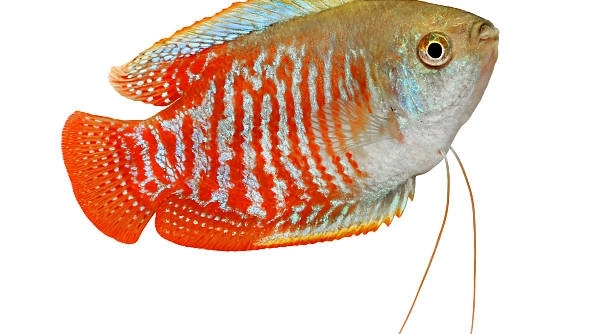
Are your gouramis darting around their tank or acting oddly even though everything seems normal? This kind of behavior can feel confusing, especially when their environment appears to be fine and stress-free on the surface.
Gourami restlessness is often triggered by poor water quality, inconsistent temperatures, lack of enrichment, or tank overcrowding. Environmental instability and aggressive tank mates can also play a major role in causing stress-related behavior in these fish.
Understanding the small details of gourami care can help you spot what’s off before it becomes a bigger problem.
Sudden Changes in Water Parameters
Gouramis are sensitive to their environment. Even small shifts in water parameters can affect their behavior. A sudden drop or rise in pH, ammonia, nitrite, or nitrate levels can cause restlessness. When these levels are off, your fish might start swimming erratically or avoiding certain areas of the tank. This can happen after a large water change, the addition of new decorations, or simply from inconsistent maintenance. Stability is key for these fish. Using a reliable test kit helps keep track of your tank’s water chemistry. Regular, small water changes are safer than large, infrequent ones. Try to keep the temperature stable, too, since swings in warmth or cold can make your gourami feel uneasy. A thermometer placed on the tank’s side is a simple way to monitor this. With proper attention, you can avoid many common issues that lead to sudden behavioral changes in your gourami.
Keep a written log of your tank parameters so you can spot trends before they cause stress.
Testing water weekly helps keep your tank predictable. When levels are steady, your gourami feels more secure and will show calm, healthy behavior. Sudden spikes or drops are often what make them restless or hide frequently.
Overcrowded Tank Environment
An overcrowded tank limits swimming space and raises stress levels. Gouramis need room to move freely without bumping into other fish all the time. When too many fish share one tank, it causes constant movement, competition for space, and sometimes aggression. This type of environment pushes your gourami into a state of anxiety. You may notice them trying to avoid others, breathing heavily, or pacing the glass. They might also hide more often or stop eating. A proper stocking plan considers both the size and temperament of each species. It’s not just about how many fish you have—it’s about how they interact. Adding too many fish, especially fast swimmers or fin-nippers, makes it hard for gouramis to relax. Stick to the recommended fish-to-water ratio and provide lots of hiding places. Live plants and tank decorations help create boundaries and reduce direct contact, which lowers the chance of stress-driven restlessness.
Inconsistent Lighting Schedule
Too much light or an irregular light schedule can make your gourami feel unsettled. These fish rely on a steady day-night rhythm, and when that’s off, they may become anxious and active at odd hours.
Using an automatic timer is a simple way to keep your lighting consistent. Gouramis generally do well with 8 to 10 hours of light each day. Leaving the light on for too long can stress them out and cause them to hide or pace. On the flip side, not enough light can disrupt their activity cycle. Avoid placing the tank in a spot where it gets too much natural light, especially if it causes sudden brightness or fluctuating shadows. These sudden changes can make your gourami jumpy. If you notice them acting differently when the light turns on or off, that’s a sign the current setup may need adjusting for a calmer environment.
Stick to a soft light setting rather than something too bright. A gentle, warm-toned LED works well and helps create a relaxed tank atmosphere. Bright, harsh lighting not only stresses your gourami but can also increase algae growth, making tank maintenance harder. Soft lighting helps them feel safer and behave more normally.
Lack of Hiding Spaces
When your tank doesn’t have enough hiding spots, your gourami may constantly feel exposed. They rely on cover to feel safe. Without it, they may stay near the surface or dart around nervously to find shelter.
Adding plants, rocks, and small caves can help create a sense of safety. Gouramis are shy by nature and often prefer to retreat when they feel overwhelmed. A tank with open space and scattered hiding places lets them explore without constant pressure. You don’t need to overdo it—just make sure there’s enough coverage in different parts of the tank. Mix real and artificial plants if needed. Taller plants near the back and smaller ones in the front can build a natural flow. Decorations that create tunnels or shadowed areas work well too. When your gourami has places to rest and retreat, they tend to behave more calmly and are less prone to stress.
Aggressive Tank Mates
Aggressive fish in the tank can easily stress out your gourami. Fast chasers or fin-nippers may make them hide constantly or swim in erratic patterns. This kind of tension can lead to long-term health problems if left unchecked.
Watch for signs of bullying like damaged fins or refusal to eat. Separating aggressive fish or rearranging tank decorations can sometimes help ease tension. Picking peaceful tank mates from the start is the best way to avoid future problems.
Unstable Water Temperature
Gouramis are tropical fish and prefer stable, warm water. Sudden drops or rises in temperature can make them restless and anxious. Water that’s too cold slows them down, while water that’s too hot makes them overactive and stressed. A quality heater with a built-in thermostat can help keep things steady. Aim for a range between 76°F and 80°F. Place a thermometer in the tank and check it daily, especially during seasonal weather changes. Even a few degrees off can affect their behavior. If your gourami suddenly starts pacing or gasping, temperature shifts might be the cause.
Overfeeding or Poor Diet
Feeding too much or offering low-quality food can upset your gourami’s digestive system. This may lead to bloating, discomfort, and erratic swimming. Stick to a balanced diet and feed only what they can finish in two minutes.
Why is my gourami constantly swimming around the tank?
When your gourami is constantly swimming, it’s often a sign of stress or discomfort. This behavior can be caused by poor water quality, such as high ammonia or nitrite levels, or sudden changes in water temperature. It may also happen if the tank is overcrowded or if the fish lacks hiding places. Gouramis feel safer with stable conditions and enough space to explore without feeling threatened. Make sure your tank is clean, properly cycled, and well-maintained. Adding plants and decorations for shelter can also help your gourami relax and reduce restless swimming.
What water parameters are best for keeping gouramis calm?
Gouramis thrive in stable water with a temperature between 76°F and 80°F (24°C to 27°C). Their ideal pH level is slightly acidic to neutral, around 6.0 to 7.5. Ammonia and nitrite should always be zero, while nitrate levels should be kept below 20 ppm. Regular water testing is essential to catch any shifts early. Sudden changes in these parameters can stress your gourami and cause restlessness. Using a heater with a thermostat and a quality water test kit will help you maintain the best environment for calm behavior.
How much space does a gourami need in a tank?
A single gourami needs at least 20 gallons of water to swim comfortably. Overcrowding reduces swimming space and increases stress. If you keep multiple gouramis or other fish, increase the tank size accordingly. Providing at least 10 gallons per additional fish helps avoid competition and aggression. More space also makes it easier to maintain stable water conditions, which reduces stress-induced restlessness. Proper stocking and tank size are key to a peaceful community and healthy gouramis.
Can lighting affect my gourami’s behavior?
Yes, lighting plays a big role in how gouramis behave. Too bright or inconsistent lighting can cause stress and make them restless. Gouramis prefer a gentle, consistent light cycle of about 8 to 10 hours per day. Using a timer helps keep this schedule steady. Avoid placing the tank where it receives harsh natural sunlight, which can create sudden brightness and shadows. Soft LED lights with warm tones usually work best. Proper lighting supports their natural rhythms and helps them feel secure.
Why does my gourami hide so much?
Hiding is a natural behavior for gouramis, especially if they feel threatened or stressed. Lack of hiding spots in the tank often makes them seek refuge behind plants or decorations. Aggressive tank mates or sudden changes in water conditions can also cause increased hiding. To reduce this, add more plants, caves, or tunnels in the tank. A well-decorated tank with plenty of cover lets gouramis feel safe and lowers their stress levels, encouraging more normal activity.
What should I feed my gourami to keep it healthy and calm?
A balanced diet with high-quality flakes, pellets, and occasional live or frozen foods like brine shrimp or bloodworms keeps gouramis healthy. Avoid overfeeding, as leftover food can pollute the tank and cause digestive problems. Feed only what your gourami can eat within two minutes, once or twice a day. A good diet supports their immune system and reduces stress. Varied food also keeps them interested and less likely to develop boredom or restlessness.
Can tank mates cause gourami restlessness?
Yes, aggressive or overly active tank mates often cause gouramis to become restless. Fast swimmers or fin-nippers can intimidate them and disrupt their peaceful nature. Choose calm, compatible fish that won’t chase or harass gouramis. Peaceful species like small tetras, rasboras, or snails work well. Keeping incompatible fish together can lead to constant stress and abnormal behavior. Observe interactions closely and be ready to separate aggressive fish if needed to maintain a calm tank environment.
How can I tell if my gourami is stressed?
Signs of stress in gouramis include rapid or erratic swimming, hiding more than usual, loss of appetite, faded colors, and heavy breathing. They may also rub against tank surfaces or decorations, which can indicate irritation or discomfort. Stress often results from poor water quality, incompatible tank mates, improper lighting, or insufficient hiding places. Addressing these issues quickly helps prevent illness and restores your gourami’s calm behavior. Regular observation and proper tank care are the best ways to catch stress early.
Is sudden restlessness a sign of illness in gouramis?
Sudden restlessness can sometimes indicate illness, especially if it’s paired with other symptoms like lethargy, clamped fins, or spots on the body. Parasites, bacterial infections, or swim bladder problems might cause abnormal swimming. If your gourami’s restlessness doesn’t improve after checking water quality and tank conditions, it’s a good idea to isolate the fish and consult a vet or experienced aquarist. Early treatment improves recovery chances and keeps the tank healthy for all inhabitants.
How often should I clean my gourami’s tank?
Regular tank maintenance prevents water quality issues that cause restlessness. Partial water changes of 20-30% every one to two weeks keep toxins low. Cleaning the substrate, filters, and decorations helps remove uneaten food and waste buildup. Avoid deep cleaning that disturbs beneficial bacteria. Consistency is more important than frequency—small, regular maintenance keeps the environment stable and your gourami comfortable. A well-maintained tank means fewer sudden changes that stress your fish.
When caring for gouramis, understanding their behavior is key to keeping them healthy and calm. Restlessness is a common sign that something in their environment is off. It could be water quality, tank size, lighting, or even the other fish sharing the tank. Paying close attention to these factors helps create a stable home for your gourami, reducing stress and encouraging natural, peaceful behavior. Small changes in their surroundings can make a big difference in how they act, so staying consistent with maintenance is important.
Maintaining good water quality is one of the most important steps. Regular testing for ammonia, nitrite, nitrate, and pH levels helps catch problems early before they affect your fish’s health. Temperature stability also matters—a steady, warm environment keeps gouramis comfortable. Along with water care, providing enough space and hiding spots is essential. Gouramis need room to swim freely and places to retreat when they feel threatened. Overcrowding or lack of cover can increase anxiety and cause constant movement or hiding, which are signs of stress.
Finally, choosing peaceful tank mates and feeding a balanced diet are key to supporting your gourami’s well-being. Aggressive fish or poor food quality can lead to restlessness and health issues. By observing your gourami’s behavior regularly and adjusting care as needed, you can avoid many common problems. Keeping their environment steady and comfortable allows your gourami to thrive and show its best, calm self. Taking these simple steps makes fishkeeping more rewarding for both you and your gourami.

Hello,
If you enjoy the content that we create, please consider saying a "Thank You!" by leaving a tip.
Every little bit helps us continue crafting quality advice that supports the health, happiness, and well-being of pets around the world, for pets of all shapes, sizes, and species.
We really appreciate the kindness and support that you show us!