
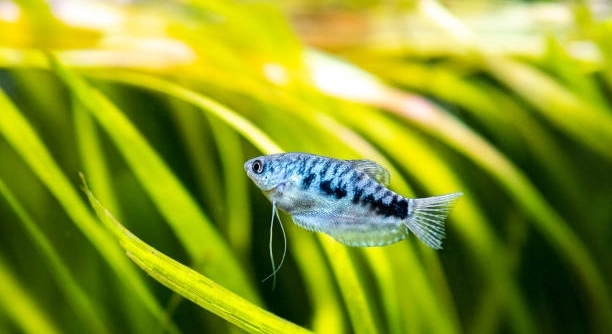
Do you ever find yourself watching your gourami swim under a new light and wonder if the change affects their behavior?
Gourami generally react to new lighting after seven hours with subtle shifts in activity, color display, and positioning. These responses suggest they are adjusting to the environmental change, which can influence their comfort, stress levels, and overall behavior.
As we look closer, we’ll see how small changes in light can lead to notable differences in your gourami’s behavior throughout the day.
Subtle Behavior Changes in Gourami After Lighting Exposure
After about seven hours under new lighting, gourami may start to show small but noticeable changes. You might see them exploring different areas of the tank, especially spots they ignored before. Their colors can also appear brighter or slightly faded depending on the light intensity. Some gourami swim more actively, while others become calmer. These responses are normal and reflect how they adjust to their environment. Lighting can influence their sleep cycle, feeding routine, and stress levels. Consistent behavior monitoring can help you understand if the change is helping or affecting their well-being negatively. It’s important to make lighting shifts gradually, giving them time to adapt. Avoid sudden changes, as they can cause stress and erratic behavior. Observation is key. Watch how they swim, eat, and interact with other fish.
Some gourami may appear slightly more cautious or spend time near shaded areas if the light feels too strong.
If your gourami seem less active or more jumpy, it might be their way of adjusting to a brighter or unfamiliar light. On the other hand, an increase in movement could mean they’re feeling more comfortable or stimulated. Either way, it’s worth keeping track of these subtle behaviors over several days to ensure stability.
Factors That Influence the Reaction
Lighting quality, tank setup, and fish temperament can all influence how gourami react to light changes.
The type of bulb used, its brightness, and even its color temperature can make a big difference. LED lights that are too harsh might cause your gourami to stay hidden or act nervously. Softer, more natural-toned lights tend to support a calm and steady environment. The layout of the tank also matters. Plants, rocks, and hiding spots give gourami the ability to manage how much light they are exposed to. Fish that are naturally shy or less social will usually take longer to adjust than more outgoing ones. A sudden shift from dim to bright can throw off their routine, especially if done without a gradual change. Feeding times, water parameters, and interaction with other fish also play a role in how well they cope. It’s helpful to change one factor at a time so you can better understand what’s affecting their behavior and comfort.
Understanding Stress Signals in Gourami
Some gourami show stress by hiding more, swimming quickly, or refusing food. These are signs they may not be fully comfortable with the new lighting yet. If the behavior continues beyond a few days, it might be time to reassess the lighting setup.
When gourami are stressed from light changes, they may stay near the bottom or behind decorations. Their colors can fade slightly, and their movements might become less fluid. You might notice they avoid open spaces or become more aggressive with tankmates. These signs are ways they protect themselves. Sometimes, dimming the light slightly or shifting the schedule back by an hour or two can help ease the transition. Stress doesn’t always show immediately, so watching them for a few days is key. If the behavior stabilizes after adjustments, it’s usually a sign that your gourami are becoming more comfortable with the lighting.
Other signs of light-related stress include loss of appetite, increased breathing rate, or glass surfing. These signs may not always be linked to lighting alone, so check the water quality, temperature, and tank mates to rule out other issues. Still, lighting can be a strong environmental factor that shapes their daily behavior and stress levels in subtle but important ways.
How to Adjust Lighting for Better Comfort
The goal is to create a lighting setup that feels natural and predictable. Use a timer to keep a consistent cycle, ideally 8–10 hours of light daily. If your lights are too strong, try adding floating plants to soften the intensity.
Avoid placing the tank in direct sunlight or near windows, as this adds uncontrolled brightness and can lead to algae growth. If your gourami seem unsettled, reduce the brightness slowly over a few days. Choose bulbs that offer a warmer, softer tone rather than intense white or blue lights. Try to match the lighting to their natural habitat as much as possible. Rearranging the tank with more hiding areas can also help them feel secure under new lighting. Observe your gourami daily—look for active swimming, regular feeding, and healthy color. These signs suggest they’re comfortable. Making slow, thoughtful changes is the best way to support their health and reduce stress related to lighting adjustments.
Common Mistakes to Avoid
Changing the light too quickly or using a very bright bulb without transition can cause stress. Avoid turning lights on and off suddenly. Sudden shifts can disrupt their sense of time and safety in the tank.
Skipping observation after a lighting change is another mistake. Watch your gourami daily for signs of discomfort.
Ideal Lighting Duration and Setup
A lighting schedule of 8 to 10 hours a day works well for most gourami. Using a timer ensures a stable routine and reduces sudden changes. Choose lights that mimic daylight, but keep the intensity moderate. Avoid flashy LED settings that change colors often, as this can confuse or stress the fish. A mix of natural decor like plants and rocks helps balance the environment and gives them shelter from harsh light. If your tank is bare, the light may feel stronger and less comfortable. Making the setup feel safe and consistent goes a long way in helping your gourami feel at ease.
Signs Lighting Is Working Well
Your gourami swim freely, explore the tank, and display bright colors. They eat regularly and interact calmly with tank mates.
FAQ
How long should I wait before judging if the new light is right for my gourami?
Wait at least one week before deciding if the light setup is working. Some gourami adapt quickly, while others take a bit longer. Watch for signs like regular swimming, eating well, and staying visible. If they hide often or show stress, consider adjusting the intensity or duration slightly. Gradual changes are always better than sudden shifts. A stable routine over several days gives the fish time to feel safe. If your gourami’s behavior doesn’t return to normal after a week, you may need to try a softer or more natural light option.
What color light is best for gourami?
Soft white or natural daylight bulbs are the best choices. Avoid very bright blue or red lights unless used in small amounts. Strong colored lighting can be overwhelming and may trigger stress. A gentle, neutral tone helps mimic their natural environment and supports calm behavior. If you like the look of color lighting for aesthetics, use it only for short periods or in a dim setting. Always give them access to shaded or low-light areas within the tank. The goal is to keep lighting comfortable, not flashy or too intense.
Can too much light harm my gourami?
Yes, too much light can lead to stress and health issues. Constant lighting disrupts their sleep cycle and can make them feel exposed or unsafe. It may also increase algae growth, which can change water quality. Keep a regular light-dark cycle, allowing 12 to 14 hours of darkness daily. If your fish act restless or hide more, the lighting could be too strong or left on too long. It’s not just about brightness—it’s about consistency and balance. Try using dimmable lights or placing floating plants to reduce harsh exposure.
Is it okay to turn off the tank light completely at night?
Yes, it’s not only okay—it’s important. Gourami need a dark period to rest and feel secure. Just like people, they benefit from a regular day-night rhythm. Leaving the light on all night can stress them out and throw off their natural patterns. Use a timer to turn the light off at the same time each night. Complete darkness is fine, but if your room has small amounts of ambient light, that’s usually not a problem. What matters most is giving them enough time to “sleep” and recharge.
What if my gourami become more aggressive after a lighting change?
Lighting can influence behavior, including aggression. If your gourami suddenly become territorial or start nipping, it could be due to the new lighting. Bright lights can cause stress, which might make them act out. Try dimming the light slightly and observe their response over a few days. Also, check if there are enough hiding places or shaded spots in the tank—these give fish a sense of safety. Aggression often lowers once the environment feels more comfortable. If behavior doesn’t improve, consider switching to a different light tone or shortening the light duration.
Should I adjust feeding when changing light conditions?
No major change is needed, but timing your feeding to match the light schedule can help. Feed your gourami once or twice a day during the light period. Avoid feeding them right after the light comes on or just before it turns off. Giving them time to wake up or settle down can reduce food waste and stress. When fish are stressed by lighting, their appetite might change temporarily. If they refuse food for a day or two, that’s okay—just monitor closely. As they adjust, their eating habits usually return to normal.
Do young gourami react differently to new lighting than adults?
Yes, younger gourami may be more sensitive. They tend to react faster to environmental changes, including lighting. Sudden brightness might cause them to hide more often or stay near the bottom of the tank. Keep lighting soft and stable, especially in tanks with juveniles. Gradual transitions help them build trust in their environment. Adult gourami may tolerate stronger lighting better, but both young and old benefit from a consistent and gentle light schedule. Watch how they behave and adjust slowly if needed. The key is keeping their space calm and predictable.
Can tank size affect how gourami react to light?
Absolutely. In smaller tanks, light spreads more directly and can feel intense for the fish. Gourami in smaller setups may have fewer places to hide from bright spots. Use plants, driftwood, or decorations to create shaded areas. In larger tanks, lighting tends to diffuse better, giving fish more freedom to move between light and shadow. The setup matters just as much as the bulb itself. Even in a small tank, you can make smart changes that help reduce stress—like angling the light, using a dimmer, or limiting daily exposure.
Final Thoughts
Changing the light in your gourami’s tank may seem like a small detail, but it can affect how they feel and behave. Light plays a big role in their daily routine. It helps set their sleep cycle, affects their energy, and can even change how they interact with other fish. When you introduce a new light, it’s important to give them time to adjust. Their reaction after seven hours is usually a mix of curiosity and caution. Some may explore more, while others may stay still or hide. Watching these small changes will help you understand what works best for them.
A good lighting setup is not just about brightness or color. It’s also about timing and consistency. Keeping the light on for the same amount of time each day helps your gourami feel secure. Using a soft, warm-toned light and adding floating plants or shaded areas can help create a balanced environment. If your gourami seem stressed or act differently, it’s okay to make slow changes. Lowering the light or adjusting the timing just a little can have a big effect. Each fish is different, so what works for one tank might not work for another. Patience and daily observation go a long way.
It’s also helpful to remember that lighting is just one part of a healthy tank. Clean water, proper food, and safe tank mates all matter too. If you notice your gourami acting strange, don’t assume it’s only the light—check other things in the tank as well. That said, new lighting can be a positive change if done carefully. It can bring out your gourami’s natural colors and even improve their overall activity. By keeping their space calm and stable, you’re helping them stay healthy and comfortable. Over time, you’ll learn what lighting setup makes your fish feel most at ease. With small steps and close attention, you can make sure your gourami are happy in their environment.

Hello,
If you enjoy the content that we create, please consider saying a "Thank You!" by leaving a tip.
Every little bit helps us continue crafting quality advice that supports the health, happiness, and well-being of pets around the world, for pets of all shapes, sizes, and species.
We really appreciate the kindness and support that you show us!