
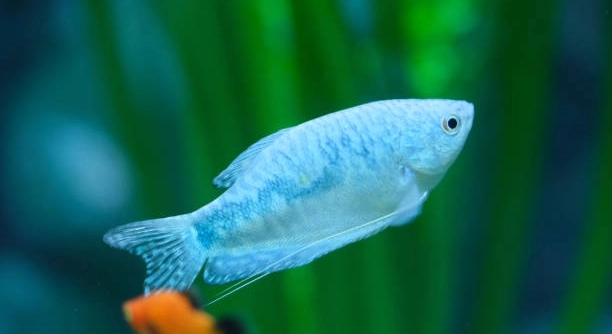
Have you ever watched your gourami swim around and wondered if its feeding habits were completely normal or something to monitor more closely? Recognizing different feeding patterns can help you support your fish’s overall health.
Mature gourami display seven common feeding patterns, including surface feeding, bottom browsing, mid-level grazing, selective eating, rapid feeding, food spitting, and fasting. These patterns can indicate normal behavior or reflect subtle changes in health or environment.
Learning these patterns will help you care for your gourami more effectively and respond to any shifts in behavior before they become serious.
Surface Feeding Habits in Gourami
Surface feeding is one of the most noticeable behaviors in mature gourami. These fish often swim up to the top of the tank to catch floating pellets, flakes, or insects. This pattern reflects their natural instinct, as wild gourami are used to grabbing food that falls on the water’s surface. When they consistently feed this way, it typically shows they are healthy and comfortable in their environment. However, excessive splashing or hesitation before eating may signal changes in water quality or stress. Observing how confidently your gourami rises for food can help you spot any issues early and make quick adjustments to their care routine. It’s also important to use floating food that won’t break apart too easily. Food that dissolves quickly can cloud the water and make feeding more difficult for your fish, so stick with options designed for surface feeders to keep their environment clean and clear.
Not all gourami will feed at the surface every time. They may change patterns based on mood or tank conditions.
When you notice surface feeding becoming more frantic or slower than usual, try checking the water temperature or reducing surface disturbances. These small changes can help restore natural feeding behavior without major adjustments to your setup.
Bottom Browsing Patterns
Gourami may occasionally shift from surface feeding to exploring the bottom of the tank for leftovers or sinking pellets.
This bottom browsing behavior is usually harmless and can indicate your gourami is simply still hungry or has developed a taste for different textures. It’s common when other fish in the tank finish food quickly, leaving your gourami to scavenge. However, frequent bottom feeding may suggest their dietary needs aren’t being fully met at the surface or that too much uneaten food is falling to the bottom. To avoid this, consider offering a mix of floating and slow-sinking pellets to encourage balanced feeding across different levels of the tank. If your gourami regularly ignores surface food but dives for leftovers, it could also point to vision problems, stress, or even illness. Keep the tank floor clean, as leftover debris can rot and alter water chemistry. A clean, well-maintained tank supports healthier habits and reduces risks of digestive issues. If this behavior becomes excessive, observe them for signs like sluggish swimming or lack of appetite during regular feeding times.
Mid-Level Grazing Behavior
Some mature gourami prefer to eat mid-water, catching food as it drifts down. This often happens when they’re uninterested in surface flakes or avoiding more aggressive tank mates near the top.
Mid-level grazing can be encouraged by using slow-sinking pellets or soft frozen foods like bloodworms. These options give gourami time to catch the food at their preferred depth. This feeding pattern usually shows that the fish feels secure and is actively exploring its environment. It’s also common when fish are adapting to new tank setups or changes in routine. You might notice this more often during feeding times when multiple fish are competing at the surface. It helps to feed in smaller portions, spread out across the tank, to reduce pressure during meals. Keeping an eye on how long it takes them to eat can help you gauge their comfort.
If your gourami consistently ignores surface food and only eats mid-level, there may be stress factors affecting their behavior. Loud noises, sudden lighting changes, or aggressive tank mates could cause them to avoid the top. Ensuring your tank has plenty of plants or floating cover can make the fish feel more at ease and bring balance back to their feeding routine. Regular observation helps catch any unusual changes early.
Selective Eating Patterns
Selective eating happens when gourami consistently ignore certain foods or only eat a few bites before swimming away. This can be related to taste preferences or food texture.
This pattern is more common in mature gourami that have had a varied diet for a long time. They may become pickier over time, showing clear preferences for flakes, pellets, or live food. If your gourami starts spitting out food or leaving large portions untouched, it’s best to experiment with small amounts of different types. Rotating protein-rich options with plant-based pellets can help maintain interest. Avoid overfeeding during this phase, since uneaten food can quickly affect water quality. A slight fast followed by offering a favorite treat often restores appetite. Pay attention to changes in energy or body shape. If your gourami starts looking thin or less active, it might be more than just selective eating. Proper nutrition is essential to prevent long-term health issues.
Rapid Feeding Spurts
Rapid feeding often shows up when your gourami rushes to eat everything in sight within seconds. This behavior can happen after skipped meals or when they feel competition from tank mates during feeding time.
If it continues regularly, try feeding smaller amounts more frequently. It can help prevent overeating and bloating.
Food Spitting Behavior
Food spitting can seem confusing at first, but it’s not always a sign of illness. Sometimes, gourami do this to soften harder pellets or test out new food types. If they go back to eat it later, it’s usually nothing to worry about. If they spit out food consistently and ignore it afterward, check if the food is too large or stale. Try soaking dry food briefly or switching to a smaller size. Monitor for signs of stress or discomfort. If spitting is paired with clamped fins or a lack of movement, it may point to health issues that need attention.
Periodic Fasting
Fasting for a day or two isn’t always a problem. Mature gourami sometimes skip meals due to mood changes, water conditions, or seasonal shifts.
FAQ
Why is my mature gourami not eating at all?
If your mature gourami isn’t eating, start by checking water quality. Sudden drops in temperature, high ammonia, or low oxygen can lead to appetite loss. Use a test kit to confirm levels are stable. If the environment looks fine, consider recent changes. New tank decorations, aggressive tank mates, or noise around the aquarium may cause stress. Another possible reason is illness. Watch for signs like clamped fins, dull color, bloating, or erratic swimming. Sometimes, older gourami slow down naturally with age, but skipping meals for more than two days without clear cause should be investigated closely.
Is it normal for gourami to fast occasionally?
Yes, mature gourami can fast for a day or two without problems. Occasional fasting may happen after overeating, during temperature fluctuations, or when they feel unsettled. It also gives their digestive system a short break. However, frequent fasting or clear refusal of food over a longer period could point to health issues, poor water conditions, or stress from other fish. If your gourami resumes eating soon after, it’s usually nothing to worry about. Just be sure to watch for other changes in their behavior or body condition during the fasting period.
What food is best for mature gourami?
Mature gourami do well with a balanced mix of protein and plant-based food. Offer floating pellets, flakes, and frozen or live foods like brine shrimp, bloodworms, and daphnia. Leafy vegetables such as spinach or zucchini (lightly boiled and chopped) can be added once or twice a week. Try to rotate food types to avoid boredom and promote better nutrition. Sinking pellets are helpful for mid-level or bottom-feeding behavior. It’s also a good idea to keep portions small and feed them once or twice daily, depending on their appetite and activity level.
Why does my gourami spit out food before eating it?
Spitting out food before swallowing is common and not always a concern. Gourami may do this to break the food down or test the texture. If they go back and eat it, the behavior is normal. However, if they repeatedly spit it out and leave it untouched, the food may be too dry, large, or stale. Try softening dry pellets with water before feeding. Switching to a smaller pellet size or different texture may help. If they continue rejecting food and show other symptoms like lethargy, loss of color, or rapid breathing, monitor closely for illness.
Can overfeeding harm my gourami?
Yes, overfeeding is a common issue and can harm gourami. Too much food can lead to bloating, constipation, and dirty water. Leftover food quickly decays, raising ammonia and nitrate levels. This stresses the fish and increases disease risk. Feed only what they can finish in about two minutes. Break meals into smaller portions if needed, especially in tanks with multiple fish. Regularly remove any uneaten food and maintain a consistent cleaning schedule. Healthy gourami are active and alert, not overly round or slow-moving after feeding. Watching their behavior closely after meals can help you find the right balance.
Do mature gourami develop new feeding patterns with age?
Yes, feeding patterns can shift as gourami age. Older gourami might slow down, become more selective, or feed less often. Their interest in high-energy food may drop, and they might prefer softer options. Changes in vision, energy levels, or digestion can also affect how they eat. It’s important to adjust the feeding approach accordingly. Offer softer or smaller foods, feed during calmer times, and provide more plant-based choices if they’re not active hunters anymore. Always observe your gourami and make small changes based on what they respond to best. Subtle changes can go a long way in supporting aging fish.
Final Thoughts
Feeding patterns in mature gourami can vary depending on age, health, water conditions, and even personality. Some eat quickly, while others take their time. Occasional fasting, food spitting, or preference for certain textures are all normal behaviors when seen in moderation. It’s important to understand these patterns so you can respond in ways that keep your gourami healthy and comfortable. Small changes in how and when you feed them can often improve their eating habits and reduce waste in the tank. Each gourami is different, so watching them closely during feeding is a good habit to develop.
As gourami grow older, their habits may change. They may eat less or become more particular about food. It doesn’t always mean something is wrong. Try to offer a mix of food types and textures to help meet their nutritional needs. Floating pellets, frozen foods, and leafy greens each offer something useful. If your gourami suddenly stops eating, check your water parameters first. In many cases, poor water quality can lead to appetite loss. Sometimes, feeding behavior is affected by stress from aggressive tank mates, sudden lighting changes, or too much activity near the tank.
Keeping track of your gourami’s feeding schedule, behavior, and food preferences can help you catch changes early. It also helps prevent overfeeding, which is one of the most common causes of poor tank health. Even if feeding them seems simple, it can make a big difference in their long-term wellbeing. Feeding is not just about nutrition—it’s a daily check-in that lets you observe their health and mood. When your gourami eats regularly, moves comfortably, and shows interest in food, you’ll know their needs are being met. By paying attention to these patterns, you’re supporting a peaceful and healthy tank environment.

Hello,
If you enjoy the content that we create, please consider saying a "Thank You!" by leaving a tip.
Every little bit helps us continue crafting quality advice that supports the health, happiness, and well-being of pets around the world, for pets of all shapes, sizes, and species.
We really appreciate the kindness and support that you show us!