
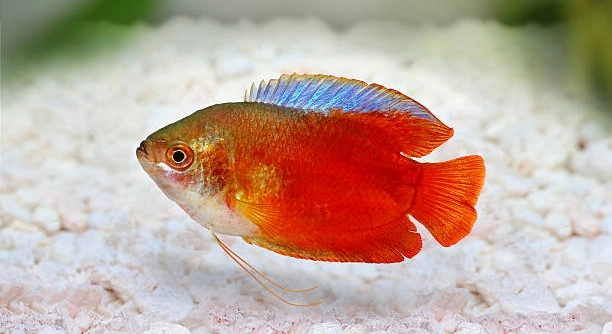
Gourami are popular freshwater fish often kept in community tanks. However, they can sometimes resist sharing their space with certain tankmates. Understanding their behavior helps create a peaceful environment for all aquatic inhabitants.
Gourami resistance to common tankmates arises from territorial instincts, stress responses, and differences in temperament or environmental needs. Compatibility depends on species-specific behaviors, tank size, and individual fish personality, which can lead to conflicts or avoidance among tankmates.
Knowing why gourami resist certain companions supports better tank management and promotes harmony in your aquarium community.
Territorial Behavior in Gourami
Gourami are known for their territorial nature, especially males during breeding periods. They establish and defend specific areas within the tank, which can cause tension when other fish enter their space. This behavior often leads to aggression toward certain tankmates, particularly those with similar size or appearance. Smaller, more passive fish may be harassed or stressed by a dominant gourami. In tanks that are too small or overcrowded, territorial disputes intensify. Providing plenty of hiding spots and plants can help reduce conflict by allowing fish to escape and claim separate territories. Understanding these boundaries is essential for maintaining balance. The gourami’s instinct to protect its area is natural but needs careful tank management to avoid constant stress or injury among tankmates.
Territoriality can be less intense in larger tanks with well-planned environments. Space helps gourami feel secure without feeling threatened.
Proper tank design and compatible species selection limit aggressive behaviors, creating a peaceful aquatic environment for all fish.
Stress Responses and Tankmate Compatibility
Stress in gourami often arises when tank conditions or companions do not meet their needs. They are sensitive to water quality changes, overcrowding, and aggressive or overly active fish nearby. This stress can cause gourami to hide, lose appetite, or become more aggressive. Tankmates that are too boisterous or territorial themselves may exacerbate the problem, making peaceful cohabitation difficult. Gourami also prefer calm, slow-moving companions rather than fast swimmers that chase or nip fins. Compatibility depends on matching temperaments and respecting the gourami’s need for calm environments. Avoiding incompatible species reduces stress and promotes healthier behavior.
Selecting the right companions requires observation and patience to ensure gourami feel safe.
The presence of stress in gourami is often indicated by changes in behavior and appearance, including clamped fins or dull coloration. These signs suggest the tank environment needs adjustment to reduce stressors. Compatibility goes beyond species names; it depends on individual personalities and tank setup. Calm, similarly sized fish tend to coexist better with gourami. Providing stable water parameters, sufficient space, and hiding areas lowers stress. Avoid aggressive or overly active fish that provoke anxiety or fights. Introducing new tankmates slowly allows gourami to adjust gradually. Monitoring interactions helps identify early signs of conflict or stress, allowing timely intervention. Thoughtful planning and observation enhance harmony and wellbeing in the aquarium.
Size and Space Requirements
Gourami need enough space to swim and establish territories. Overcrowded tanks increase stress and aggression. Small tanks limit movement and cause frequent confrontations with other fish. Proper tank size supports natural behavior and reduces conflicts.
When gourami share a tank with larger or more active species, space becomes even more critical. Limited room forces them into constant contact, increasing territorial disputes and stress levels. Smaller fish can be overshadowed or intimidated, impacting their health and wellbeing. Providing at least 20 gallons for one gourami, with additional space per tankmate, helps maintain balance. Larger tanks also allow for hiding spots and plants, which are essential to reduce stress. Overcrowding is a common cause of problems when mixing gourami with other species, so planning tank size according to the number and behavior of fish is necessary.
Adequate space and thoughtful stocking prevent unnecessary aggression, promoting peaceful coexistence in the aquarium.
Gourami’s need for sufficient territory and swimming room makes compatible tankmates crucial. Fish that require different environments or compete for the same space rarely get along well.
Temperament Differences
Gourami exhibit a calm yet sometimes territorial temperament. They tolerate peaceful species but resist aggressive or overly active fish. Mixing temperaments often leads to stress or conflict. Careful selection of companions improves tank harmony.
Matching temperaments is key when choosing tankmates for gourami. Aggressive fish or fast swimmers tend to disturb their calm nature, causing stress or defensive behavior. Gourami prefer companions that are similarly passive and slow-moving. Fish with peaceful personalities, such as certain tetras or rasboras, usually coexist well. Avoiding aggressive or territorial species minimizes fights. Temperament differences can be more pronounced in smaller tanks, where space limits avoidance options. Monitoring interactions and adjusting tankmates when necessary helps maintain a stable environment. Fish that complement gourami behaviorally create a balanced and stress-free community tank. Recognizing temperament compatibility is an important step for any aquarium owner aiming for harmony among species.
Feeding Habits Conflicts
Gourami have moderate feeding habits, preferring slow to moderate feeders. Fast or aggressive eaters can outcompete them for food, causing stress or malnutrition. Proper feeding strategies help reduce competition.
Separating feeding areas and offering varied food types supports gourami and their tankmates. This reduces conflict and ensures all fish get enough nutrition without stress.
Water Parameter Preferences
Gourami thrive in slightly acidic to neutral pH and warmer water temperatures. Tankmates that require different conditions may struggle to coexist. Maintaining stable water parameters suited for gourami benefits all inhabitants.
Matching water needs reduces stress and prevents health problems. Regular testing and gradual adjustments keep the environment stable, supporting gourami and compatible species.
Breeding Behavior Issues
During breeding, gourami become highly territorial and aggressive. Tankmates may be chased or harmed, increasing stress for all fish. Separating breeding gourami or providing ample space reduces conflict and promotes safety for other fish.
FAQ
Why do gourami attack certain tankmates?
Gourami may attack other fish due to territorial instincts, especially males. They defend their space to reduce competition for food and breeding areas. Aggression is often directed at fish that resemble gourami or invade their established territories. Stress and overcrowding can increase aggressive behavior.
Can gourami live with small schooling fish?
Yes, gourami can live with small peaceful schooling fish like neon tetras or rasboras. These species are non-aggressive and tend to swim in groups, which reduces the chance of conflict. However, the tank must be large enough to allow space for all fish.
Are gourami compatible with bottom-dwelling fish?
Generally, gourami coexist well with bottom dwellers such as Corydoras or loaches. These fish occupy different levels of the tank and usually do not compete for territory or food. This separation helps reduce conflicts and stress in the aquarium.
What tank size is best for gourami with other fish?
A minimum of 20 gallons is recommended for one gourami, with additional space for each tankmate. Larger tanks allow gourami to establish territories without constant confrontation. Overcrowding in smaller tanks often leads to aggression and stress.
How can I reduce aggression between gourami and other fish?
Providing plenty of plants and hiding spots creates natural barriers and escape routes. Feeding fish in multiple locations reduces competition for food. Choosing compatible tankmates with similar temperaments and size also lowers the risk of aggression.
Do gourami require specific water conditions to get along with other fish?
Yes, gourami prefer slightly acidic to neutral pH (6.0–7.5) and warm temperatures between 75°F and 82°F (24°C–28°C). Tankmates should tolerate these conditions for compatibility. Sudden changes in water parameters can stress gourami and cause behavior changes.
What signs show that gourami are stressed by tankmates?
Signs of stress include hiding frequently, clamped fins, loss of appetite, or faded colors. Increased aggression or lethargy may also indicate discomfort. These behaviors suggest the tank environment or companions are unsuitable.
Can gourami breed peacefully in a community tank?
Breeding gourami become very territorial and aggressive, often attacking other fish. It is best to separate breeding pairs into a dedicated tank to avoid harm to both mates and other fish. This also improves breeding success.
Is it safe to keep multiple gourami together?
Multiple gourami can coexist if the tank is large enough and there are enough hiding places. However, males tend to be more aggressive toward each other, especially in smaller tanks. Monitoring interactions closely is essential to prevent fights.
What are common tankmates to avoid with gourami?
Avoid aggressive, fast-swimming, or fin-nipping species like tiger barbs or certain cichlids. These fish provoke stress or injury. Also, avoid overly timid fish that may become targets. Choosing peaceful, compatible species promotes harmony.
How do feeding habits affect gourami compatibility?
Gourami prefer slow to moderate feeding speeds. Tankmates that eat aggressively can outcompete them, leading to malnutrition or stress. Offering food in multiple areas or feeding sinking and floating varieties ensures gourami get enough nutrition.
Can gourami live with shrimp or snails?
Gourami may view small shrimp or snails as food, especially if hungry or stressed. Larger snails are safer, but small invertebrates might not be compatible. If keeping shrimp, provide plenty of hiding spaces and monitor interactions carefully.
What role does tank decoration play in gourami compatibility?
Plants, rocks, and decorations offer hiding spots and territory markers. These features reduce stress and aggression by allowing fish to avoid direct confrontation. Dense planting is especially helpful in community tanks with gourami.
How important is monitoring tank dynamics with gourami?
Regular observation is crucial. Gourami behavior can change based on tank conditions and companions. Early detection of aggression or stress allows timely adjustments, such as rearranging tankmates or modifying the environment.
What adjustments help gourami get along with aggressive fish?
Separating gourami from aggressive species or increasing tank size can help. Adding plants and decorations to break lines of sight reduces direct conflicts. Sometimes, it is necessary to rehome incompatible fish for the health of all tank inhabitants.
This FAQ covers common concerns about gourami and their tankmates. Understanding these points aids in creating a balanced, peaceful aquarium environment.
Final Thoughts
Keeping gourami with other fish requires careful planning and consideration. Their natural behavior includes territorial instincts and specific environmental needs that may not align well with all tankmates. Understanding these factors helps avoid conflicts and promotes a healthier aquarium. It is important to consider tank size, temperament, feeding habits, and water conditions when choosing companions for gourami. Overcrowding or pairing with aggressive species often leads to stress and aggression, which can harm all fish in the tank.
Successful community tanks with gourami depend on creating a balanced environment. Providing enough space for each fish to establish territory is crucial. Adding plenty of plants and hiding spots offers shelter and helps reduce stress. Feeding strategies should accommodate gourami’s slower eating pace to ensure they get enough nutrition without competition. Maintaining stable water parameters that suit all species in the tank is also necessary to keep the fish healthy and calm. Careful observation is key to recognizing early signs of stress or aggression, allowing timely adjustments.
Ultimately, gourami can coexist peacefully with compatible tankmates when their needs are respected. Selecting fish with similar temperaments and environmental requirements supports harmony. Separating gourami during breeding or when aggressive behavior arises protects all inhabitants. While some fish species naturally resist cohabitation with gourami, proper tank management minimizes conflicts. This approach leads to a balanced, enjoyable aquarium where gourami and other species thrive together.

Hello,
If you enjoy the content that we create, please consider saying a "Thank You!" by leaving a tip.
Every little bit helps us continue crafting quality advice that supports the health, happiness, and well-being of pets around the world, for pets of all shapes, sizes, and species.
We really appreciate the kindness and support that you show us!