
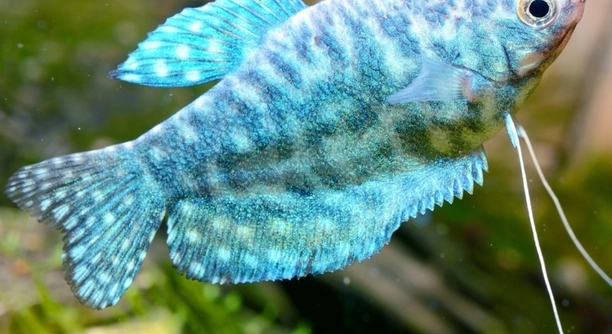
Gouramis are popular aquarium fish known for their calm nature and unique behaviors. When they feel ignored or unstimulated, they may act differently than usual. Understanding these behaviors can help keep your fish happy and healthy.
When ignored, gouramis might display signs such as increased hiding, lethargy, or unusual aggression. These behaviors indicate stress or boredom, which can affect their overall well-being and interaction with their environment. Recognizing these changes early is important for proper care.
Observing these signs will help you better respond to your gourami’s needs and create a more engaging environment for them.
Increased Hiding and Withdrawal
When gouramis feel ignored, they often retreat to hidden corners of the tank. This behavior is a sign that they might be stressed or uncomfortable. Gouramis naturally enjoy exploring their environment, but if they don’t get enough attention or stimulation, they may choose to stay out of sight. This can make it harder for owners to notice any health problems early on. Sometimes, they hide behind plants, decorations, or inside caves. It’s important to provide plenty of hiding spots, but if your gourami spends most of its time hiding, it could mean they feel lonely or bored. Offering interaction through gentle tapping on the glass or talking softly may encourage them to come out more. Watching for changes in activity can help you understand your fish’s emotional state better and adjust their environment to suit their needs.
Increased hiding is a sign that your gourami needs more mental or physical engagement. It’s a common response to feeling ignored or stressed.
Encouraging your gourami to come out involves creating a more stimulating tank environment. Adding new plants, rearranging decorations, or offering live food can spark their curiosity. Sometimes, interacting with your fish regularly helps reduce their shyness. Keeping the tank clean and stable also supports their comfort. Consistent light cycles and gentle movements can make the fish feel safer and more willing to interact. Over time, these small changes can help your gourami become more active and confident in its space.
Lethargy and Reduced Activity
Lethargy is a common behavior in gouramis when they are ignored. Instead of swimming around and exploring, they may float listlessly or stay near the bottom of the tank. This lack of movement often shows that the fish is feeling unstimulated or even unhealthy. Without enough interaction or environmental enrichment, gouramis lose interest in their surroundings. Reduced activity can sometimes be mistaken for illness, but it may simply mean your fish needs more attention or a better tank setup. It is essential to check water quality and temperature regularly because poor conditions can also cause lethargy. Feeding your gourami a balanced diet and offering live or frozen foods can help improve energy levels. Observing your fish’s behavior daily will help you notice any significant changes early and address them promptly to keep your gourami active and thriving.
If your gourami becomes lethargic, it may be a sign of boredom or discomfort. Ensuring good care is key to restoring its vitality.
Providing a stimulating environment involves adding plants, tank mates, or new objects for your gourami to explore. Sometimes, gentle interaction from the owner can encourage more movement. Making sure the tank has plenty of oxygen and proper filtration also supports a healthy, active fish. Introducing different feeding routines or treats can spark interest and energy. When your gourami feels safe and engaged, it will be more lively and interactive. Regularly changing elements in the tank helps prevent boredom and keeps your fish mentally sharp. Consistent care and attention make a big difference in maintaining your gourami’s overall health and happiness.
Aggressive Behavior Towards Tank Mates
Gouramis may act aggressively when they feel ignored. This can include chasing or nipping at other fish. Such behavior often arises from stress or frustration.
This aggression happens because gouramis need interaction and stimulation. When they don’t get enough attention or their environment is dull, they might lash out to claim territory or express discomfort. This behavior can disturb the peace in your tank and cause injury to other fish. It’s important to watch for signs like chasing, fin biting, or sudden changes in social dynamics. Adjusting the tank environment or providing more mental engagement can reduce this aggressive behavior. Sometimes adding more hiding spots or rearranging decorations helps gouramis feel less threatened and more relaxed.
Managing aggression involves creating a balanced environment where gouramis feel secure. Adding plants or decorations can break lines of sight and reduce territorial fights. Regular interaction and enrichment also help lessen stress. If aggression continues, consider separating aggressive gouramis or introducing compatible tank mates. Ensuring proper tank size and hiding areas promotes harmony and reduces conflicts. The goal is a peaceful tank where all fish can coexist comfortably.
Loss of Appetite
Ignoring gouramis can cause them to lose interest in food. This is often a sign of stress or boredom.
Loss of appetite can weaken your gourami and make it vulnerable to illness. Stress from being ignored or from poor tank conditions can reduce their hunger. It’s important to check water parameters, temperature, and cleanliness to rule out health problems. Offering a variety of foods, such as live or frozen options, can help stimulate their appetite. Sometimes, feeding smaller amounts more frequently encourages eating. Monitoring feeding habits daily will alert you if the loss of appetite continues, which may require further attention or veterinary advice.
Encouraging your gourami to eat involves creating a comfortable environment and making feeding time interesting. Changing the location of feeding, using feeding rings, or introducing new food types can attract their attention. Regular interaction during feeding can also help them feel more secure. Avoid overfeeding or sudden changes in diet, as this can cause stress and reduce appetite. With patience and care, you can help your gourami regain a healthy feeding routine and maintain its energy and well-being.
Bubble Nest Building
Gouramis build bubble nests when they feel comfortable and secure. If ignored, they might stop or reduce this behavior.
This is a sign they are stressed or not feeling safe. Bubble nests are important for breeding and indicate good health and mental state.
Erratic Swimming Patterns
When gouramis are ignored, they may swim in sudden, jerky movements. This behavior shows they are stressed or uncomfortable with their environment.
Erratic swimming can also be caused by poor water quality or illness. Monitoring your fish closely helps identify the cause.
Color Fading
A gourami’s color can fade when it feels neglected or stressed. This dullness reflects a drop in its overall well-being.
Why is my gourami hiding so much?
Gouramis hide often when they feel stressed, scared, or ignored. It’s their way of feeling safe and avoiding what they see as threats. Changes in the tank, poor water quality, or lack of interaction can cause them to retreat more than usual. Providing hiding spots is good, but if your fish hides all the time, it might mean they need more mental stimulation or better tank conditions.
What should I do if my gourami becomes aggressive?
Aggression usually comes from boredom, stress, or territorial disputes. To reduce this, try rearranging the tank decorations or adding plants to create visual barriers. Make sure your tank is large enough and avoid overcrowding. Sometimes, giving your gourami more attention and enrichment, like varied feeding or gentle interaction, calms them down. If aggression continues, separating aggressive fish might be necessary.
How can I tell if my gourami is stressed?
Signs of stress include hiding, lethargy, loss of appetite, erratic swimming, and faded colors. Stress can come from poor water conditions, lack of stimulation, or aggressive tank mates. Regularly check water quality, feed a balanced diet, and keep the tank environment interesting to prevent stress.
Why does my gourami stop building bubble nests?
Bubble nest building is a sign of comfort and good health, especially for males. If your gourami stops making nests, it could be stressed, uncomfortable, or not feeling safe. Changes in water quality, temperature, or lack of interaction might cause this. Improving tank conditions and reducing stress often help bring back this behavior.
What causes my gourami to lose its appetite?
Loss of appetite is often due to stress, poor water quality, illness, or boredom. Ignored gouramis may eat less because they feel unsafe or uninterested in food. Check water parameters, temperature, and diet. Offering live or frozen foods can stimulate appetite. If the problem lasts, consult a vet.
Is erratic swimming a sign of illness?
Yes, erratic swimming can signal stress or illness, but it may also result from sudden changes in the environment or water conditions. Watch for other symptoms like spots, discoloration, or labored breathing. Keeping the tank clean and stable reduces this behavior. Early detection helps prevent serious health problems.
Can ignoring my gourami affect its color?
Yes, neglect can cause gouramis to lose their vibrant color. Stress and poor conditions lower their immune system and dull their appearance. Good care, proper diet, and regular interaction improve color brightness and overall health.
How often should I interact with my gourami?
While gouramis don’t need constant attention, gentle daily interaction helps them feel secure and engaged. This can be as simple as talking softly or tapping the glass lightly. Providing an enriched environment with plants and varied stimuli also supports their mental well-being.
What environmental changes help an ignored gourami?
Adding plants, decorations, and hiding spots creates a more interesting tank. Changing the layout occasionally keeps the fish curious. Ensuring clean water, proper temperature, and compatible tank mates reduces stress and encourages natural behavior.
When should I seek veterinary help for my gourami?
If your gourami shows persistent signs of stress, illness, or loss of appetite despite proper care, it’s time to consult a vet. Sudden changes in behavior, physical injuries, or visible disease symptoms require professional advice to prevent worsening health.
When it comes to caring for gouramis, paying attention to their behavior is very important. These fish may show signs like hiding, aggression, or loss of appetite when they feel ignored. Such changes tell us that something is not quite right in their environment or how they are being cared for. Being aware of these behaviors can help us respond better and improve their living conditions. Simple steps like cleaning the tank regularly, keeping the water temperature steady, and providing enough space can make a big difference in their comfort and happiness.
Gouramis also need mental stimulation to stay healthy. This means giving them places to explore and things to interact with, like plants or decorations. When they feel bored or stressed, their behavior changes, which can affect their overall health. Watching your fish closely helps you notice when they are not acting normally. Small changes, such as rearranging the tank setup or offering a variety of foods, can encourage your gourami to be more active and engaged. Regular interaction, even just talking softly or moving gently near the tank, can help them feel less lonely and more secure.
Taking care of gouramis is not just about feeding them and cleaning the tank. It’s also about understanding their needs and moods. Ignoring their signs of discomfort can lead to bigger problems, including illness or long-term stress. By creating a stable and stimulating environment, you help your gourami live a happier life. Remember, consistent care and attention will keep your fish healthy and lively. This kind of care makes the experience of keeping gouramis more rewarding for both the fish and the owner.

Hello,
If you enjoy the content that we create, please consider saying a "Thank You!" by leaving a tip.
Every little bit helps us continue crafting quality advice that supports the health, happiness, and well-being of pets around the world, for pets of all shapes, sizes, and species.
We really appreciate the kindness and support that you show us!