
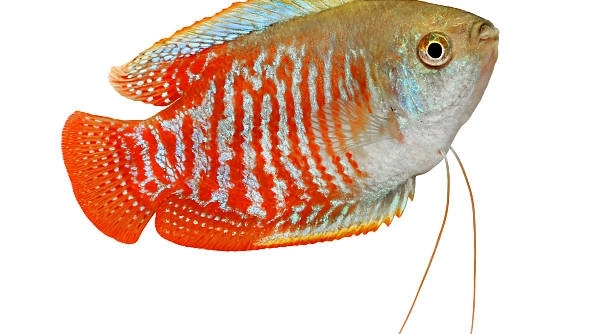
Gouramis are popular freshwater fish known for their peaceful nature and unique behaviors. Many aquarium owners notice their gouramis often hovering near the heater. This common observation can seem puzzling to those new to keeping these fish in home aquariums.
Gouramis hover under the heater primarily because they seek warmth and comfort. As tropical fish, they thrive in stable temperatures, and the heater provides a consistent heat source. This behavior helps regulate their body temperature and reduce stress in cooler water conditions.
Understanding why gouramis prefer this spot can improve aquarium care and fish well-being. The following information will clarify this behavior and offer practical tips for maintaining an ideal environment for your gouramis.
Why Gouramis Seek Warmth Near the Heater
Gouramis are tropical fish that naturally prefer warmer waters, typically between 75°F and 82°F (24°C to 28°C). When aquarium temperatures drop below this range, gouramis instinctively move toward the heater to find comfort. This behavior is their way of maintaining an optimal body temperature for normal metabolic functions. The warmth near the heater helps them stay active, digest food properly, and support immune health. Cooler water can slow their metabolism and make them more susceptible to illness. The heater provides a localized area of stable temperature, which is especially important in tanks that experience fluctuations. Gouramis may hover near the heater more frequently during colder months or if the aquarium heater is set too low. Observing this behavior can alert an owner to temperature inconsistencies in the tank. Ensuring the aquarium maintains a stable and suitable temperature range reduces stress and supports the fish’s overall well-being.
Prolonged exposure to cold water weakens gouramis and affects their behavior negatively.
Gouramis’ preference for heater proximity reflects their need for thermal stability. By understanding this, aquarium owners can make adjustments to tank conditions. Avoiding sudden temperature changes and properly setting the heater can prevent excessive clustering around the heat source. Regular temperature monitoring is essential. Additionally, providing hiding places away from the heater helps gouramis feel secure throughout the tank. Balancing warmth with adequate swimming space encourages healthy, natural behaviors. Maintaining a consistent environment supports the gouramis’ immune system and reduces stress-related illnesses. Small changes, like adjusting heater placement or adding insulation around the tank, can improve temperature consistency. A stable, warm environment allows gouramis to thrive, making their hovering under the heater a simple indicator of their comfort needs.
Signs of Stress When Gouramis Overuse the Heater Area
If gouramis stay too long near the heater, it might signal stress or poor water conditions. Excessive clustering in one spot often means the tank environment is not ideal for them.
Stress signs include lethargy, loss of appetite, and dull coloration. Gouramis may also gasp at the surface or hide excessively. These behaviors suggest they are struggling with temperature or water quality issues. Stress weakens their immune system, increasing vulnerability to diseases. Overheating near the heater can also cause problems if the temperature rises too much in that small area. It is important to monitor water parameters regularly and ensure proper filtration. Sometimes, overcrowding or poor oxygen levels contribute to this behavior. Addressing these issues promptly helps maintain a balanced habitat. Adjusting the heater, improving aeration, and performing regular water changes can reduce stress. Providing a well-maintained environment encourages gouramis to explore the entire tank rather than cluster near the heater for survival.
Keeping a close eye on their behavior allows timely intervention and supports healthier aquarium conditions.
Heater Placement and Tank Design Matter
Placing the heater correctly helps distribute heat more evenly across the tank. When it’s placed too close to decorations or corners, heat stays trapped, causing uneven temperatures and attracting gouramis to that one warm spot.
Position the heater near the filter output or in an area with good water flow. This allows the warm water to circulate, reducing the chance of hot or cold spots. Avoid placing it behind plants, rocks, or tank ornaments that block circulation. If your tank is large, consider using two smaller heaters on opposite sides to balance the temperature. Also, monitor the temperature regularly with a reliable aquarium thermometer placed away from the heater. This gives a more accurate reading of overall tank conditions. Good circulation and proper heater positioning keep the entire tank comfortable and prevent gouramis from hovering in one spot just to stay warm.
Aquarium layout can also influence gourami behavior. If the heater is placed in a narrow area or near a wall, fish may gather there not only for warmth but also for a sense of safety. Try creating a layout that spreads warmth and shelter evenly. Use plants, rocks, and driftwood to encourage movement and hiding in different zones of the tank. Make sure the heater is not the only comfortable area. A balanced design improves their activity levels and helps prevent stress caused by staying in one spot too long. Slight layout adjustments can make a big difference. Even spreading out hiding areas or creating open swim space helps your gouramis feel more secure and less drawn to the heater alone.
How Temperature Fluctuations Affect Gouramis
Rapid shifts in water temperature can stress gouramis and lead to changes in their behavior. They may hover near the heater more often or stop eating altogether if the tank’s conditions become unstable.
Temperature drops, especially at night, are a common cause. Homes with inconsistent room temperatures or tanks without proper lids lose heat quickly. A programmable heater can help maintain consistency, and insulating the tank sides with foam or using a room heater may also help. Cold drafts and direct sunlight can both cause problems. Unstable temperature not only stresses gouramis but can also suppress their immune systems, making them prone to bacterial or fungal infections. You might notice faded color or slow movement, which often points to discomfort. Consistency is key. Regular checks and using two thermometers in different spots can help confirm stable conditions. Temperature swings, even small ones, impact tropical fish more than many realize.
Fluctuating temperatures can also disturb a gourami’s sleep and feeding patterns. Warmer water supports digestion and keeps their systems functioning properly. When the temperature dips too low, they become sluggish and lose interest in food. Inconsistent warmth can also lead to aggression or erratic swimming as the fish try to adapt. This is particularly noticeable in smaller tanks or setups without a backup heater. Preventing these issues starts with stable equipment and careful monitoring. Choose a high-quality heater with accurate temperature control, and avoid placing the tank near windows or vents. Small daily variations may seem harmless, but they build up over time. A calm, warm environment keeps gouramis comfortable and encourages healthy activity.
Monitor Heater Performance Regularly
Faulty heaters can cause temperature spikes or fail to heat at all. Checking the heater’s indicator light and comparing readings with a separate thermometer helps ensure it’s functioning correctly and maintaining a safe temperature for your gouramis.
Heaters wear down over time and may become inconsistent. Replacing them every couple of years reduces the risk of failure. If your gouramis are still hovering around the heater despite good placement and layout, test the heater’s accuracy and consistency across several days to catch small but harmful temperature changes.
Consider Tank Size and Heater Strength
Small tanks lose heat faster and fluctuate more easily. If your tank is under 10 gallons, even slight room temperature changes can create stress for your fish. Always match your heater’s wattage to your tank size. A heater that’s too weak won’t maintain a steady temperature, especially overnight or during colder seasons. Using two smaller heaters can help balance heat better in wider tanks and add a backup in case one fails. Regularly inspect cords and check for sediment or algae build-up on the heater surface, which can reduce performance. A stable tank size-to-heater ratio is essential for consistency and fish comfort.
Observe Behavior Beyond Heater Hovering
If hovering becomes constant, it’s worth watching how your gouramis eat, swim, and interact. Any signs of withdrawal or aggression may suggest something more than just a temperature issue.
FAQ
Why do my gouramis only hover under the heater at night?
Room temperatures tend to drop at night, which can lower the water temperature if your heater isn’t powerful or responsive enough. If the tank cools slightly, your gouramis will gather around the heater to stay warm. This behavior is more noticeable in smaller tanks or if the heater isn’t maintaining a steady temperature. Check the room’s climate during the night and consider using a heater with a built-in thermostat that adjusts automatically to prevent overnight dips.
Is it bad if my gouramis always stay near the heater?
Yes, it could be a sign that something is off in the tank. Constant hovering near the heater usually means the rest of the water isn’t warm enough or the heat isn’t spreading evenly. This could lead to long-term stress or illness. You may need to check the heater’s strength, positioning, and the tank’s water flow. It’s also important to test the water in other areas of the tank to see if the temperature is balanced.
What’s the best place to put my aquarium heater?
The best location is near the filter output or in an area with strong circulation. This helps the warm water move around the tank more evenly. Avoid placing it behind decorations, in corners, or too close to the bottom where heat may become trapped. If your tank is large, two heaters placed on opposite sides work better. You want the entire tank to feel comfortable—not just one spot.
Can the heater be too hot for gouramis?
Yes, if the heater malfunctions or lacks accurate temperature control, it can overheat the tank. Gouramis are tropical fish, but water that’s too warm can reduce oxygen levels and cause lethargy or illness. Use a separate, reliable thermometer to monitor the temperature daily. If your fish seem sluggish or are gasping near the surface, the water might be too warm. Always check both the heater setting and actual water temperature.
How do I know if the heater is working properly?
Look for the indicator light that shows when the heater is on. Use a separate thermometer placed on the opposite side of the tank to confirm that the temperature is stable and accurate. If you notice wide temperature swings, test the heater with another thermometer. Inconsistent behavior or a flickering light may signal it’s time for a replacement. Heaters should be replaced every 2–3 years, even if they seem to be working.
Why are my other fish not hovering near the heater?
Different fish have different temperature needs and behaviors. Gouramis are especially sensitive to temperature changes and prefer warm, still areas. If other fish are swimming normally but gouramis are staying near the heater, it likely means the overall water isn’t warm enough for them. Double-check your tank’s temperature in different areas and adjust your setup to make it more balanced for all your fish.
Should I use more than one heater in my tank?
In larger tanks, yes. Two smaller heaters on opposite ends help maintain even heat and prevent cold spots. They also add a layer of safety—if one fails, the other can help keep the water stable. In small tanks, a single well-placed heater is usually enough, but placement and strength still matter. Always monitor with a thermometer to be sure.
Do gouramis hover under the heater when they’re sick?
Sometimes. If a gourami is sick or stressed, it may seek comfort in warm areas. This can include staying close to the heater. If hovering is paired with other signs—clamped fins, loss of color, refusal to eat—it’s important to test water quality, observe for signs of disease, and make sure the heater isn’t masking a bigger problem. Warmer water can temporarily ease symptoms, but it won’t fix the root cause.
What’s a safe temperature range for gouramis?
Most gouramis do well in water between 75°F and 80°F (24°C–27°C). Too far outside this range can cause stress or illness. Always check your specific species for more exact needs. Keep in mind that even staying within the range doesn’t help if temperatures fluctuate. Aim for consistency to avoid problems, especially with more sensitive gourami types.
Can the heater cause burns or injuries to gouramis?
It’s rare, but possible if a heater lacks a guard or if it overheats in a small area. Most modern heaters are designed to be safe, but if fish are resting directly against the heater for long periods, it’s best to double-check the temperature and inspect the heater for damage. Adding a heater guard is a good step if you’re concerned.
Final Thoughts
Gouramis hovering under the heater is often their way of staying warm. While it may seem like harmless behavior, it can be a signal that something in the tank is not quite right. Fish rely heavily on stable water conditions to feel comfortable and stay healthy. If they are clustering near the heater, the rest of the tank may not be warm enough, or the water might not be circulating properly. These small signs are worth paying attention to, especially if the behavior becomes constant or more fish start doing the same thing.
It’s important to regularly check your aquarium heater, thermometer, and water flow to make sure the entire tank maintains an even temperature. A single heater may not be enough in larger setups, and poor placement can cause warm and cool zones. Water movement also plays a big role in heat distribution. When heat collects in one area, fish will seek it out—leading them to hover under the heater. Simple fixes like adjusting the heater’s position, improving circulation, or upgrading your equipment can make a big difference in your gourami’s daily comfort.
Keeping an eye on behavior is one of the best ways to notice problems early. Gouramis tend to be calm, observant fish, so even slight changes in how they act can say a lot. When they stay near the heater, it’s usually not because they enjoy it—it’s because they need something. It could be warmth, comfort, or even relief from stress. Understanding their habits and making the right adjustments helps you support their well-being in a quiet but important way. Small changes to your setup can lead to a more balanced, comfortable home for your fish.

Hello,
If you enjoy the content that we create, please consider saying a "Thank You!" by leaving a tip.
Every little bit helps us continue crafting quality advice that supports the health, happiness, and well-being of pets around the world, for pets of all shapes, sizes, and species.
We really appreciate the kindness and support that you show us!