
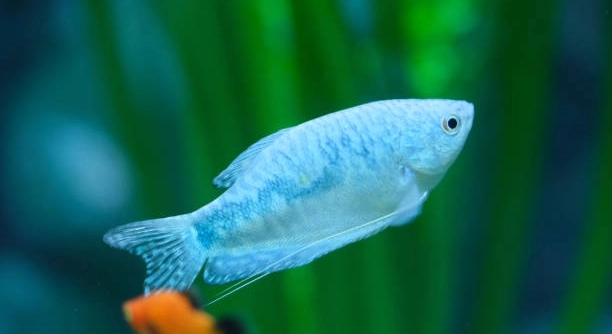
Are your gouramis acting differently lately, especially in a crowded tank? Overcrowding can create more problems than you might expect for these peaceful fish.
Gouramis respond to overcrowding with increased stress, territorial aggression, and reduced immune function. The confined space limits their natural behaviors, leading to frequent conflicts and a noticeable decline in overall health and activity.
Learning how overcrowding affects gouramis will help you create a more peaceful and healthy tank environment they can truly thrive in.
Why Overcrowding Is a Problem for Gouramis
Gouramis are known for their calm nature, but they can quickly become stressed in a crowded tank. Overcrowding reduces available space for swimming, hiding, and establishing territory. This forces the fish into constant close contact, which leads to aggressive behavior, especially in males. With limited room, dominant gouramis may chase or nip at others. These interactions can result in injuries and infections. On top of that, more fish in one tank means more waste, and that affects water quality fast. Poor water conditions raise ammonia and nitrate levels, making it hard for gouramis to breathe and stay healthy. They may begin to hide more, eat less, or develop duller colors. All these signs point to discomfort caused by their environment. While gouramis are adaptable, they do have limits, and space is one of the most important things they need to stay balanced and active in their surroundings.
Stress also weakens their immune systems, making it easier for disease to spread throughout the tank.
A peaceful tank requires enough space for each gourami to claim its own area. Keeping their numbers under control also helps maintain clean water and reduces stress. It’s better to understock than to push your tank’s limits.
Signs Your Gouramis Are Struggling
You might notice your gouramis acting withdrawn or hiding more often. Increased chasing, torn fins, and a drop in appetite are also common. These behaviors usually point to overcrowding and stress within the tank.
When the tank is too full, the environment becomes unstable for your gouramis. They no longer have places to retreat, which increases anxiety. Some may begin to show aggression that wasn’t there before, especially if there are multiple males. Constant tension disrupts their natural rhythm, leading to changes in eating and sleeping patterns. Smaller or more timid fish are often pushed aside and can become very weak. Over time, this weakens the group as a whole. In some cases, diseases will spread more easily because stress lowers their resistance. Watching their behavior closely will help you catch problems early. If you see these signs, it’s a good idea to adjust your setup, add more hiding spaces, or consider moving a few fish to another tank.
How to Reduce Overcrowding in Your Tank
Start by counting your fish and checking your tank’s gallon size. A good rule is one inch of fish per gallon of water, but gouramis prefer more space than that to stay calm and healthy.
If your tank is overstocked, consider upgrading to a larger one or setting up a second tank. Moving some of the fish helps right away. Another option is rehoming a few fish if space is limited. Keep in mind that surface area matters too—gouramis breathe air from the surface, so they need easy access. Adding tall plants and decorations can also help divide the tank, reduce aggression, and create hiding spots. Make sure your filtration system matches your tank size. More fish means more waste, and your filter needs to handle that. A clean, well-filtered tank supports better oxygen levels and reduces harmful buildup that affects fish behavior and health.
When adding new fish, always consider how much space is truly available. Quarantining new additions first helps avoid spreading illness, but it’s also a chance to rethink your setup. Choose tankmates carefully—some species get along better with gouramis than others. Stick with peaceful fish that won’t compete for space or food. Think of long-term harmony, not just current numbers.
Best Tank Setup for Happy Gouramis
A longer tank gives gouramis more room to swim and claim their own spots. Height is good, but length helps reduce tension and chasing. Keep the water temperature steady, between 75°F and 80°F.
Live plants offer hiding spaces and create natural barriers, which helps reduce stress. Floating plants are great too—gouramis enjoy them, and they mimic the shaded areas found in their natural habitat. Avoid sharp decorations that might cause injury during aggressive moments. Instead, use smooth rocks and driftwood to break up sightlines and define separate zones. Lighting should be moderate and not too bright. Gouramis tend to prefer calmer lighting conditions. Try not to rearrange their tank too often—once they find their preferred spots, stability helps them stay relaxed. Keep an eye on water changes and test parameters regularly. A clean tank with steady conditions and thoughtful layout makes a huge difference in how your gouramis behave and interact.
Common Mistakes That Lead to Overcrowding
Buying too many fish at once is a common mistake. It’s easy to underestimate how big gouramis will get or how much space they truly need as adults. Starting small doesn’t mean staying small.
Ignoring tank size when adding new fish adds up quickly. Each new addition means more waste, more stress, and less personal space. Without planning, even a peaceful tank can shift into chaos before you realize it.
How Behavior Changes When Space Is Limited
Gouramis in crowded tanks often become more aggressive, especially if there are multiple males. They may start chasing, nipping, or guarding one area too often. These behaviors are signs they don’t feel safe or settled. You might also notice them hiding more, refusing food, or breathing at the surface more than usual. Their colors can fade, and they may seem dull or tired. These changes aren’t just personality—they show the tank is out of balance. If caught early, reducing the fish load and improving the tank layout can help the gouramis recover and return to their calm, curious selves.
Final Tip for Long-Term Success
Stick to regular maintenance and avoid overcrowding from the start. A balanced tank keeps your gouramis active, peaceful, and healthy for the long run.
FAQ
How many gouramis can I keep in a 20-gallon tank?
A 20-gallon tank is best suited for about 3 to 4 adult gouramis, depending on their size. Gouramis need enough space to swim freely and establish territories. Overcrowding even a few more can cause stress, aggression, and water quality issues. Keep the tank well-planted with hiding spots to help reduce conflict and make the space feel larger.
What are the signs that gouramis are stressed from overcrowding?
Stress signs include frequent hiding, loss of appetite, faded colors, and increased aggression. You might see them chasing or nipping each other more often. They could also be gasping for air at the surface, which means oxygen levels are low. If you notice torn fins or sluggish behavior, overcrowding is likely causing these problems.
Can overcrowding cause illness in gouramis?
Yes, overcrowding weakens gouramis’ immune systems, making them more vulnerable to diseases like fin rot and fungal infections. Poor water quality from excess waste also encourages harmful bacteria growth. Keeping the tank less crowded and performing regular water changes helps prevent illnesses and keeps your fish healthy.
Is it okay to keep gouramis with other fish in a crowded tank?
Mixing gouramis with other fish in a crowded tank increases competition for space, food, and oxygen. This often causes stress and aggressive behavior in all species involved. If you want community tanks, make sure you have enough space for every fish and choose peaceful tankmates that won’t compete aggressively.
How often should I clean my tank to prevent overcrowding problems?
Regular maintenance is key. For crowded or heavily stocked tanks, weekly water changes of 20-30% are ideal. This removes waste and keeps water parameters stable. Clean filters and remove uneaten food often. Staying on top of cleaning helps prevent ammonia spikes that stress gouramis.
Can plants help reduce the effects of overcrowding?
Absolutely. Live plants provide hiding places and natural barriers that break up sightlines. This lowers aggression and stress by giving gouramis space to retreat. Floating plants especially help gouramis feel safe since they come from shaded waters. Plants also improve water quality by absorbing excess nutrients.
What should I do if I notice aggression in my gouramis?
If aggression appears, check how many fish are in the tank and how much space they have. Try rearranging decorations to break up territories or add more plants for hiding spots. If problems continue, reduce the number of fish or consider separating aggressive individuals. Avoid sudden changes; make adjustments gradually.
Can gouramis live happily in small tanks?
While gouramis can survive in small tanks, they won’t thrive. Small tanks limit their swimming space and make them more prone to stress and illness. Providing at least 10 gallons per fish is a better rule to keep gouramis healthy and reduce aggression. Bigger tanks mean happier fish.
How do I choose the right tank size for multiple gouramis?
Calculate about 10 gallons per adult gourami to ensure they have enough room to swim and establish territory. Consider the tank’s shape too—long tanks give more horizontal space, which gouramis prefer. Also, plan for decorations and plants so the space feels natural and comfortable.
Will overcrowding affect breeding behavior?
Yes. Overcrowded tanks create stress, which can stop gouramis from breeding or cause poor spawning results. Males become more aggressive and may fight instead of courting females. A spacious, calm environment is necessary for successful breeding and raising healthy fry.
How do I safely add new gouramis without overcrowding?
Before adding new gouramis, make sure your tank has enough room and filtration capacity. Quarantine new fish to avoid disease spread. Introduce them slowly and monitor behavior closely. Rearrange tank décor to reduce territorial aggression and provide plenty of hiding spots to ease the transition.
What equipment helps manage overcrowding effects?
A strong filter that can handle the bioload is essential. Air pumps or surface agitation improve oxygen levels, which drop when tanks are crowded. Heater and thermometer help keep water stable since stress increases when conditions fluctuate. Regular testing kits help catch water quality problems early.
Can overcrowding cause gouramis to lose their color?
Yes, stress from overcrowding often causes gouramis to lose their vibrant colors. Dull or faded coloring signals poor health or anxiety. Improving tank conditions and reducing crowding usually helps them regain their natural hues over time.
What are the best tankmates for gouramis in a limited space?
Choose peaceful, slow-moving fish that tolerate similar water conditions. Avoid aggressive or very active species that compete for space. Small tetras, rasboras, or Corydoras catfish often do well with gouramis if the tank isn’t overcrowded. Always watch interactions and be ready to separate if needed.
How does overcrowding affect gouramis’ lifespan?
Overcrowding shortens gouramis’ lifespans by causing chronic stress and increasing disease risk. Healthy, well-spaced tanks support longer, happier lives for these fish. Proper care and tank size directly influence how long your gouramis live.
Is it possible to fix overcrowding problems without moving fish?
Sometimes minor overcrowding can be managed by improving water quality, adding plants, and rearranging tank decor to reduce stress. However, if space is very limited, removing some fish is usually necessary for lasting health and peace. Temporary fixes may only delay bigger issues.
What water parameters help gouramis cope with stress?
Stable temperature around 75–80°F, pH between 6.0 and 7.5, and low ammonia and nitrite levels help reduce stress. Regular testing and water changes keep these parameters steady. Clean, well-oxygenated water supports gouramis’ immune systems, helping them handle crowding better.
How do I know when it’s time to upgrade my tank?
If you notice frequent aggression, dull colors, or rapid water quality decline, it may be time to upgrade. Also, if your gouramis grow bigger or you want to add more fish, a larger tank helps prevent stress and overcrowding effects. Upgrading before problems worsen is best.
Can overcrowding cause unusual gourami behavior?
Yes, behaviors like constant hiding, glass surfing, or lethargy can indicate overcrowding stress. These signs mean the fish are uncomfortable and trying to cope with too much competition or poor water conditions. Observing behavior closely helps catch overcrowding early.
Does diet affect how gouramis handle overcrowding?
While diet alone can’t fix overcrowding, good nutrition helps gouramis stay strong under stress. Feeding a varied diet with quality flakes, pellets, and occasional live or frozen food supports their immune system. Avoid overfeeding, which worsens water quality and stress.
Are certain gourami species more tolerant of crowding?
Some gourami species, like dwarf gouramis, tolerate closer quarters better than larger types. However, all gouramis prefer some personal space to reduce stress and aggression. Regardless of species, overcrowding should be avoided for best health and behavior.
Overcrowding is a common challenge many gourami keepers face, and it can seriously affect the health and happiness of these fish. When gouramis do not have enough space, they tend to become stressed, which leads to changes in their behavior and overall wellbeing. Stress can cause them to hide more, lose their bright colors, or become aggressive toward other tank mates. Overcrowding also affects water quality, making it difficult to maintain a clean and safe environment. These problems show how important it is to provide enough space for each fish to swim freely and feel secure in its home.
One of the best ways to prevent overcrowding is by planning ahead and choosing the right tank size based on how many gouramis you want to keep. A good rule is to give at least 10 gallons of water per adult fish. This extra space allows gouramis to establish territories and reduces the chances of fighting. It’s also important to include plenty of plants and decorations to create hiding spots and break up the tank visually. These additions help gouramis feel safe and calm, which lowers stress and aggression. Regular tank maintenance, like water changes and filter cleaning, is also essential to keep the water quality high and your fish healthy.
If overcrowding has already become a problem, there are ways to improve the situation. You might need to move some fish to another tank or find new homes for a few of them. Rearranging tank decorations or adding more plants can help reduce tension between fish that remain. Watching their behavior closely will show if these changes are working. Remember, gouramis are peaceful fish that thrive best in a balanced, spacious environment. By paying attention to their needs and making thoughtful choices about tank size and population, you can create a happy, healthy space where your gouramis can live their best lives.

Hello,
If you enjoy the content that we create, please consider saying a "Thank You!" by leaving a tip.
Every little bit helps us continue crafting quality advice that supports the health, happiness, and well-being of pets around the world, for pets of all shapes, sizes, and species.
We really appreciate the kindness and support that you show us!