
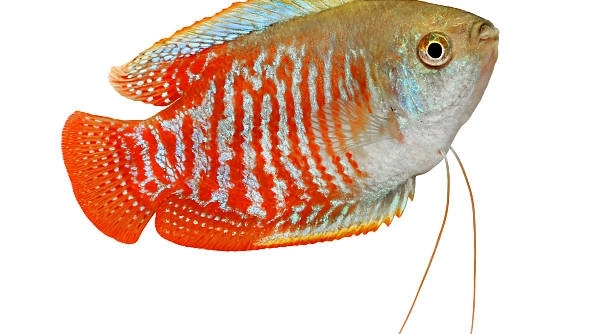
Gouramis are popular freshwater fish known for their unique behavior when securing territory. They use a combination of physical displays and subtle movements to assert dominance over a space in their environment. This behavior helps maintain order in shared habitats.
Gouramis establish control over a space primarily through territorial displays that involve flaring fins, changing colors, and performing aggressive postures. These actions communicate dominance to other fish, helping reduce direct conflict and ensuring the protection of their preferred area.
Understanding how gouramis manage their territories reveals important insights into their social behavior and aquarium care. This knowledge can improve tank harmony and promote healthier interactions among fish.
Physical Displays and Color Changes
Gouramis rely heavily on physical displays to establish their territory. They flare their fins wide, making themselves appear larger and more intimidating. This posture signals strength to other fish. Color changes also play a critical role. When feeling dominant or threatened, gouramis may darken or intensify their coloration. These visual cues help communicate their status without resorting to physical fights. The combination of fin displays and color shifts is an effective way to claim and defend a space. This behavior reduces actual aggression, which benefits all fish in a shared tank or natural environment. Observing these signs can help aquarium keepers understand the mood and intentions of their gouramis.
Physical displays and color changes serve as non-verbal communication tools for gouramis to maintain peace and hierarchy.
Recognizing these visual signals is important for managing multiple gouramis. It allows you to anticipate potential conflicts and make adjustments to tank setup or fish grouping to keep stress levels low. Providing enough space and hiding spots supports natural behaviors and reduces aggressive encounters.
Role of Bubble Nests in Territory Control
Bubble nests are another key factor in gouramis’ territorial behavior. These nests, built by males, mark ownership of a specific area. The nests serve as a breeding site and a physical boundary. Gouramis guard the bubble nest vigorously, chasing away intruders. This guarding instinct helps maintain control and ensures the safety of their eggs. The size and quality of the nest can also signal the male’s fitness to other gouramis. Bubble nests are not just for reproduction but also reinforce territorial claims within the tank or pond. Understanding this aspect of gourami behavior aids in creating an environment that respects their natural needs and reduces stress-related aggression.
Aggressive Behavior and Territory Defense
Aggressive behavior is common when gouramis defend their space. This includes chasing, biting, and lunging at intruders. These actions are usually brief but intense. Gouramis use aggression to quickly reassert dominance and keep others away from their territory.
Such behavior helps maintain clear boundaries and reduces ongoing conflict in a shared environment. It ensures that gouramis avoid constant fights by quickly establishing who controls the area. Aggression is more likely when space is limited or during breeding periods, making it important to monitor tank conditions closely.
Managing aggression involves providing sufficient hiding places and enough room for each fish. Separating overly aggressive individuals can prevent injury and stress. Understanding these behaviors is essential for maintaining a peaceful aquarium environment.
Environmental Factors Affecting Territory Control
Environmental conditions greatly influence how gouramis control their territory. Factors like tank size, vegetation, and water quality affect their comfort and willingness to defend space. A cramped tank can increase aggression due to limited room for retreat.
Adding plants and decorations creates natural barriers and hiding spots. This breaks up sightlines and reduces direct confrontations between gouramis. Clear, stable water parameters also contribute to calmer behavior, as stress from poor conditions can heighten territorial disputes.
Optimizing the environment helps gouramis feel secure and less likely to escalate conflicts. Paying attention to these factors supports healthier interactions and better overall wellbeing. Adjustments based on fish behavior often lead to a more balanced and peaceful aquarium.
Social Hierarchy Among Gouramis
Gouramis form a clear social hierarchy to reduce constant conflict. Dominant fish claim the best spaces, while submissive ones avoid confrontation by staying on the outskirts. This order helps maintain balance within the group.
The hierarchy is often established through brief displays of dominance. Once roles are clear, gouramis coexist with less aggression and tension.
Impact of Tank Size on Territorial Behavior
Tank size directly affects how gouramis establish and maintain territory. Larger tanks offer more space, reducing aggressive encounters. Small tanks force gouramis into closer proximity, increasing stress and fights. Proper tank size is essential for peaceful coexistence and healthy behavior.
Managing Multiple Gouramis in One Tank
Introducing multiple gouramis requires careful observation. Avoid overcrowding and provide plenty of hiding places. Separating aggressive individuals may be necessary to maintain harmony.
How do gouramis show they are establishing control over a space?
Gouramis use several clear behaviors to show control. They flare their fins to appear larger, darken their colors, and perform aggressive postures. These visual signals warn other fish to stay away. Chasing and quick lunges also reinforce their claim. This combination of displays often prevents actual fighting by communicating dominance early.
Why do gouramis change color during territorial disputes?
Color changes signal mood and status. Darker or more intense colors indicate that a gourami feels dominant or threatened. This visual cue warns others without the need for physical conflict. Color shifts help reduce the risk of injury by making intentions clear in advance.
What role do bubble nests play in territory control?
Male gouramis build bubble nests to mark territory, especially during breeding. The nest acts as a physical boundary and a safe place for eggs. Males guard their nests aggressively, chasing away intruders. The size and quality of the nest also send signals about the male’s strength and fitness.
How does tank size affect gourami aggression?
Tank size strongly influences territorial behavior. Smaller tanks force gouramis into close quarters, increasing stress and aggression. Larger tanks give more room to retreat and hide, reducing conflict. Providing enough space is key to a peaceful environment.
Can multiple gouramis live together peacefully?
Yes, but it depends on tank size, environment, and individual temperament. Providing plenty of plants and hiding spots helps reduce direct confrontations. Observing behavior closely is important to separate overly aggressive fish if needed.
What should I do if gouramis start fighting frequently?
Increase hiding places and tank size if possible. Consider separating the most aggressive gouramis. Reducing stress factors like poor water quality can also calm fish. Frequent fights may indicate overcrowding or lack of territory.
How can I recognize dominant and submissive gouramis?
Dominant gouramis display brighter colors, flare fins, and control preferred areas. Submissive fish often stay on the tank edges, show duller colors, and avoid confrontation. Recognizing this can help in managing the tank and ensuring all fish have space.
Do gouramis always fight over territory?
No, they usually establish territory quickly through displays and avoid long fights. Aggression is often short-lived, used only to set boundaries. Once hierarchy is established, fish tend to coexist peacefully.
What environmental factors help reduce territorial aggression?
Stable water conditions, ample space, plants, and decorations all help reduce stress and aggression. Creating visual barriers breaks sightlines, minimizing constant confrontations. Good water quality supports overall fish health and calmer behavior.
How often do gouramis rebuild their bubble nests?
Bubble nests are usually maintained and rebuilt as needed, especially during breeding seasons. Males regularly tend to their nests, repairing or expanding them to protect eggs and signal territory control.
Can non-breeding gouramis establish territories?
Yes, even outside of breeding, gouramis show territorial behavior to secure preferred areas. This behavior helps reduce conflicts and stress within the aquarium.
Is aggressive behavior more common during breeding?
Aggression often increases during breeding as males protect bubble nests and potential offspring. This period requires more careful observation and management to avoid injury.
What signs indicate stress in territorial gouramis?
Signs include faded colors, hiding excessively, loss of appetite, or erratic swimming. Stress often results from overcrowding, poor water conditions, or constant aggression.
How do hiding spots influence territory disputes?
Hiding spots allow submissive gouramis to avoid dominant fish and reduce stress. Providing plenty of cover lowers the chance of fights and helps maintain balance in the tank.
Can gouramis be housed with other fish species?
Yes, but it’s important to choose peaceful tank mates that do not invade gouramis’ territory aggressively. Compatibility depends on species temperament and tank conditions.
Final thoughts on how gouramis establish control over a space highlight the importance of understanding their natural behaviors. Gouramis use a mix of visual signals, such as fin displays and color changes, to communicate dominance without constant fighting. These behaviors help them set clear boundaries and maintain a social order. Recognizing these signs can help aquarium owners create a peaceful environment that meets the gouramis’ needs. Providing adequate space and hiding spots allows fish to feel secure, which reduces stress and aggression.
Managing gouramis in a shared tank requires attention to both the fish and their environment. Aggression usually arises when space is limited or during breeding periods. Bubble nests play a significant role in territory control, especially for males protecting their eggs. This natural behavior reinforces their claim to a specific area. Tank size and layout also influence how gouramis interact. A well-planned tank with plants and decorations breaks up sightlines and gives submissive fish places to retreat. This setup helps maintain harmony among multiple gouramis by reducing confrontations.
Ultimately, keeping gouramis healthy and content depends on respecting their territorial instincts. Avoid overcrowding and monitor fish behavior regularly to detect signs of stress or aggression early. Adjustments to the environment, such as adding more hiding spots or separating aggressive individuals, support peaceful coexistence. Understanding gouramis’ ways of controlling space allows for better care and a balanced aquarium where all fish thrive. These practices ensure a calmer atmosphere, making it easier to enjoy the unique beauty and behavior of gouramis.

Hello,
If you enjoy the content that we create, please consider saying a "Thank You!" by leaving a tip.
Every little bit helps us continue crafting quality advice that supports the health, happiness, and well-being of pets around the world, for pets of all shapes, sizes, and species.
We really appreciate the kindness and support that you show us!